

When it comes to your child’s health and development, you want to make informed decisions based on trusted information. Here in Bellingham, many parents are discovering how gentle chiropractic care can support their children’s growing bodies—from infancy through the teenage years. At Kingfisher Chiropractic in Bellingham, WA, we understand that parents have questions and sometimes concerns about whether chiropractic care is appropriate for children. This article will help you understand what pediatric chiropractic care really involves, how it differs from adult care, and what you should know before bringing your child in for an evaluation.
What is pediatric chiropractic care? Pediatric chiropractic care is a specialized approach to chiropractic treatment that focuses on the unique musculoskeletal and nervous system needs of infants, children, and adolescents. The techniques used are extremely gentle—often involving no more pressure than you’d use to test the ripeness of a tomato—and are specifically adapted to suit a child’s developing body.
Table of Contents
- Why Parents in Bellingham Consider Chiropractic Care for Their Children
- How Pediatric Chiropractic Differs from Adult Care
- Common Reasons Parents Bring Children to a Chiropractor
- What to Expect During Your Child’s First Visit
- Safety Considerations and Specialized Training
- Supporting Your Child’s Musculoskeletal Health at Home
- When to Consider Chiropractic Care for Your Child
- Common Myths About Pediatric Chiropractic Care
- Supporting Bellingham Families Through Gentle Care
Why Parents in Bellingham Consider Chiropractic Care for Their Children
Parents in the Bellingham community are increasingly interested in conservative, non-invasive approaches to supporting their children’s health. The decision to explore pediatric chiropractic care often comes from a desire to address specific concerns or to support overall wellness during crucial developmental stages.
Children’s bodies are constantly growing and adapting. From learning to hold their head up as infants to developing proper posture as they spend more time with backpacks and screens, kids face unique physical challenges at every stage. The musculoskeletal system and nervous system are intimately connected, and ensuring proper alignment and movement patterns during these formative years can support healthy development.
Many families in Bellingham, WA, appreciate having a healthcare option that doesn’t immediately turn to medication or invasive procedures. Chiropractic care offers a gentle, hands-on approach that works with the body’s natural healing abilities. This philosophy aligns well with many parents’ desire to support their children’s health through natural, conservative methods whenever appropriate.
Research has shown growing interest in complementary and integrative health approaches for children. According to the National Center for Complementary and Integrative Health, many parents seek these options as part of a comprehensive wellness strategy. The key is understanding what chiropractic care can and cannot do, and how it fits into your child’s overall healthcare picture.
How Pediatric Chiropractic Differs from Adult Care
One of the most important things for parents to understand is that pediatric chiropractic care looks and feels completely different from adult chiropractic treatment. The techniques, pressure, and approach are all modified to suit a child’s smaller, more delicate body.
The amount of force used during a pediatric adjustment is minimal. For infants, the pressure applied during an assessment or adjustment is often compared to the gentle touch you’d use to check if a peach is ripe—typically just a few ounces of pressure. As children grow, the techniques gradually adapt, but they always remain significantly gentler than those used for adults.
At Kingfisher Chiropractic, we understand that children aren’t just small adults. Their bones are still developing, their ligaments are more flexible, and their nervous systems are rapidly maturing. This means chiropractors who work with children must have specialized knowledge about pediatric anatomy, development, and appropriate treatment modifications.
The assessment process also differs. With children, especially younger ones, communication happens differently. A skilled pediatric chiropractor learns to observe movement patterns, watch how a child holds their body, and look for subtle signs of discomfort or restricted movement. Parents’ observations become an essential part of the evaluation since they know their child best.
Treatment duration and frequency also tend to differ. Children’s bodies typically respond more quickly than adults’ bodies, often requiring fewer visits. Their tissues are more adaptable and haven’t developed the chronic tension patterns that adults often present with after years of compensation.
Common Reasons Parents Bring Children to a Chiropractor
Families in Bellingham seek pediatric chiropractic care for a variety of reasons. Understanding what brings other parents through our doors can help you determine whether an evaluation might be appropriate for your child.
Newborns and Infants
The birth process, while natural, can place significant physical stress on a newborn’s delicate body. Whether through vaginal delivery or cesarean section, the forces involved can sometimes result in minor misalignments or areas of tension, particularly in the neck and upper spine. Some parents bring their infants for assessment if they notice difficulty turning the head to one side, a preference for one side while nursing, or persistent fussiness that doesn’t have an obvious cause.
Nursing difficulties sometimes relate to positioning and comfort. If a baby has tension in the neck or jaw area, latching and sustained feeding can become challenging. A gentle chiropractic evaluation can identify whether musculoskeletal factors might be contributing to feeding challenges.
Toddlers and Young Children
As children begin walking and exploring their world, they experience countless minor tumbles and falls. While most of these are completely normal and don’t cause lasting issues, some parents seek evaluation if they notice their child developing unusual movement patterns, consistently favoring one side, or complaining of discomfort.
Postural concerns may also emerge during this stage. Parents might notice their child sitting in ways that seem asymmetrical or developing habits that could affect their growing spine. Early identification of these patterns allows for gentle correction before they become more established.
School-Age Children and Adolescents
As children enter school, new physical stresses emerge. Heavy backpacks, extended sitting, increased screen time, and participation in sports all place demands on growing bodies. Parents often bring older children to Kingfisher Chiropractic in Bellingham when they notice posture changes, complaints of back or neck discomfort, or want to support optimal function during growth spurts.
Athletic children face their own unique considerations. Repetitive movements in sports, the physical demands of practice and competition, and sports-related minor injuries can all benefit from chiropractic evaluation and care. Many parents view regular check-ups as part of supporting their young athlete’s performance and recovery.
During adolescence, rapid growth can sometimes lead to temporary biomechanical imbalances. As bones grow quickly, muscles and soft tissues must adapt. This growth process can occasionally create areas of tension or discomfort that respond well to gentle chiropractic care.
What to Expect During Your Child’s First Visit
Understanding what happens during a pediatric chiropractic visit can help both you and your child feel more comfortable. At Kingfisher Chiropractic, we prioritize creating a welcoming, child-friendly environment where kids feel safe and parents feel informed.
The first visit always begins with a thorough consultation. We’ll ask about your child’s health history, any specific concerns you have, and details about their daily activities and habits. For infants, we’ll want to know about the pregnancy and birth experience. For older children, information about backpack habits, sports participation, and screen time becomes relevant.
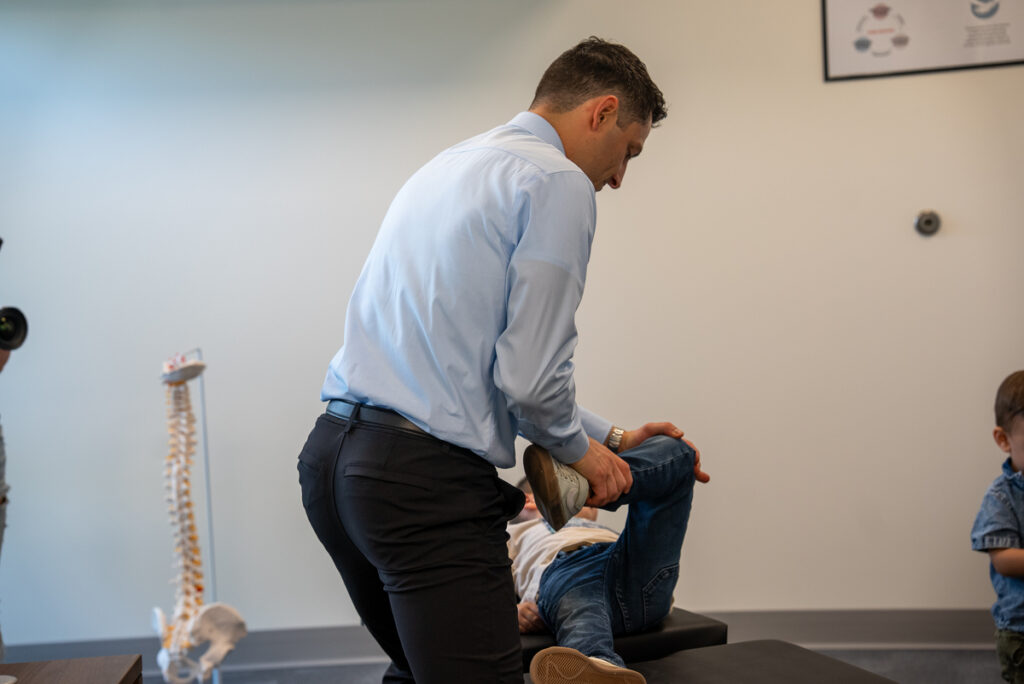
The physical examination is gentle and non-invasive. We observe how your child moves, assess their posture, and carefully evaluate their spine and joints for any areas of restricted movement or misalignment. For young children who might be nervous, we often start by demonstrating techniques on a parent or using a stuffed animal to show what we’ll be doing.
If treatment is appropriate, adjustments are performed using techniques specifically designed for children. You might see us using an instrument-assisted approach, very gentle sustained pressure, or light mobilization techniques. There’s no “cracking” or “popping” with pediatric adjustments—the techniques are completely different from what you might have experienced or seen with adult chiropractic care.
Throughout the visit, we encourage parents to stay close, ask questions, and help their child feel comfortable. Many children find the experience interesting and even enjoyable once they realize how gentle it is. We go at your child’s pace and never force treatment if they’re uncomfortable.
Safety Considerations and Specialized Training
Safety is understandably the top concern for parents considering any type of healthcare for their children. Pediatric chiropractic care, when provided by properly trained professionals, has an excellent safety record.
Chiropractors who work with children often pursue additional training beyond their doctoral degree. Organizations like the International Chiropractic Pediatric Association offer specialized certification programs that provide advanced education in pediatric assessment, development, and treatment techniques. This additional training ensures that practitioners understand the unique considerations involved in caring for children’s developing bodies.
The literature on pediatric chiropractic safety is reassuring. A comprehensive review in the journal Explore found that adverse events following pediatric chiropractic care are rare, and when they do occur, they’re typically mild and temporary, such as minor soreness or temporary irritability. Serious complications are extremely rare, particularly when care is provided by trained professionals using age-appropriate techniques.
At Kingfisher Chiropractic in Bellingham, WA, we maintain rigorous safety standards. We carefully screen each child to ensure chiropractic care is appropriate, use only gentle techniques suited to their age and size, and maintain open communication with parents throughout the care process. We also recognize when a child’s condition would be better served by another healthcare provider and make appropriate referrals when necessary.
Certain conditions require extra caution or may be contraindications for chiropractic care. These include recent fractures, acute infections, certain genetic conditions affecting connective tissue, and other specific medical concerns. This is why a thorough health history and examination are essential before any treatment begins.
Supporting Your Child’s Musculoskeletal Health at Home
Beyond professional care, there’s much parents can do at home to support their children’s spinal health and proper development. These practical strategies can benefit kids whether or not they’re receiving chiropractic care.
Backpack Safety
Backpack-related strain is increasingly common among school-age children here in Bellingham. The American Chiropractic Association recommends that backpacks weigh no more than 5-10% of a child’s body weight. Choose backpacks with wide, padded shoulder straps and ensure your child uses both straps rather than slinging the pack over one shoulder. The bottom of the backpack should rest in the curve of the lower back, not sag down toward the buttocks.
Screen Time Positioning
With increasing device use among children of all ages, “tech neck” is no longer just an adult problem. Encourage your child to hold tablets and phones at eye level rather than looking down for extended periods. For computer use, ensure the screen is at or slightly below eye level, and the chair supports good posture with feet flat on the floor.
Encouraging Movement
Children’s bodies are designed to move frequently throughout the day. Unfortunately, modern life often involves extended periods of sitting. Encourage regular movement breaks during homework time, limit continuous sitting to 30-minute intervals when possible, and promote active play outdoors. Here in Bellingham, we’re fortunate to have wonderful parks and trails that make active family time easy and enjoyable.
Sleep Position and Support
Proper sleep positioning supports spinal health. For infants, following safe sleep guidelines is paramount—always place babies on their backs to sleep on a firm surface. As children grow older, ensure their pillow provides appropriate support, keeping the neck in a neutral position. The pillow shouldn’t be so thick that it pushes the head forward, nor so flat that the neck hyperextends.
Developmental Milestones
Pay attention to how your child moves and reaches developmental milestones. While every child develops at their own pace, significant asymmetries or persistent movement difficulties warrant professional evaluation. Trust your parental instincts—you know your child best, and if something seems off, it’s worth getting checked.
When to Consider Chiropractic Care for Your Child
Determining when to seek chiropractic evaluation for your child isn’t always straightforward. Here are some situations where a chiropractic assessment might be beneficial.
Consider scheduling an evaluation if you notice your child consistently turning or tilting their head to one side, showing preference for looking in one direction, or having difficulty with certain movements. For infants, feeding difficulties without an obvious cause, persistent irritability, or noticeable tension in the body might warrant assessment.
As children grow, complaints of back or neck discomfort, headaches, postural changes, or discomfort that seems related to activities like sitting at school or carrying a backpack are reasonable reasons to seek evaluation. Remember, children sometimes don’t verbalize discomfort the way adults do. Watch for behavioral changes, avoidance of certain activities, or subtle signs of guarding or favoring one side.
Following minor injuries from falls or sports, even if nothing seems seriously wrong, a check-up can ensure no subtle misalignments developed that could cause problems later. Think of it like getting your car’s alignment checked after hitting a pothole—prevention is easier than correction.
Some parents also choose preventive care, bringing their children in for periodic check-ups during rapid growth periods or as part of a wellness routine. While not necessary for every child, this proactive approach allows for early identification of developing issues before they become symptomatic.
Red Flags Requiring Medical Evaluation
It’s equally important to recognize when symptoms require immediate medical attention rather than chiropractic care. Seek medical evaluation immediately for severe pain, fever, sudden loss of movement or strength, loss of bowel or bladder control, severe headache with vomiting, or pain following significant trauma. Chiropractors are trained to recognize these warning signs and will refer appropriately when medical intervention is needed first.
Understanding Different Stages of Care
| Age Group | Common Concerns | Technique Characteristics | Typical Care Approach |
|---|---|---|---|
| Newborns (0-3 months) | Birth trauma, nursing difficulties, neck tension, fussiness | Extremely gentle (ounces of pressure), fingertip contact, sustained holds | Very short sessions, often just a few minutes, minimal intervention |
| Infants (3-12 months) | Developmental milestone support, torticollis, asymmetrical movement | Light touch, gentle mobilization, parent-assisted positioning | Brief sessions, parent education emphasized, reassessment after each session |
| Toddlers (1-3 years) | Post-fall assessment, gait concerns, early posture habits | Play-based approach, gentle adjustments, movement observation | Child-paced treatment, distraction techniques, short visits |
| School Age (4-12 years) | Backpack strain, growing pains, posture changes, sports activities | Modified techniques, some instrument-assisted, education about body awareness | Includes exercises and lifestyle recommendations, longer visits possible |
| Adolescents (13-18 years) | Growth spurts, sports injuries, tech posture, headaches | Approaching adult techniques but still modified, active patient participation | Self-care education emphasized, injury prevention focus, collaborative care |
Common Myths About Pediatric Chiropractic Care
Myth: Chiropractic adjustments for children are just like adult adjustments, only on smaller bodies
Fact: Pediatric chiropractic techniques are fundamentally different from adult care. The pressure used is minimal—often just a few ounces for infants—and the techniques are specifically designed for children’s developing bodies. There’s no “cracking” or forceful manipulation involved in proper pediatric chiropractic care. Chiropractors who work with children receive specialized training in age-appropriate assessment and treatment methods.
Myth: Chiropractic care for babies is dangerous because their bones are too soft
Fact: While it’s true that infant bones are still developing, this is precisely why trained chiropractors use extremely gentle techniques. The pressure applied during an infant adjustment is no more than what’s used during normal handling and much less than what occurs during birth. When performed by properly trained professionals, pediatric chiropractic care has an excellent safety record. The gentleness of the approach makes it appropriate for even very young infants.
Myth: If my child isn’t complaining of pain, they don’t need to see a chiropractor
Fact: While pain is certainly one reason to seek evaluation, it’s not the only indicator that care might be beneficial. Children, especially young ones, may not articulate discomfort the way adults do. Restricted movement, asymmetrical development, postural changes, or difficulty with certain activities can all indicate that an evaluation would be worthwhile. Additionally, some parents choose preventive care during rapid growth periods to support optimal development before problems arise.
Myth: Chiropractic care can cure conditions like autism, ADHD, or ear infections
Fact: This is an important clarification. Chiropractic care does not cure developmental disorders, attention difficulties, or infections. What chiropractic care does is support proper nervous system function and musculoskeletal alignment. Some parents report improvements in certain symptoms when their child’s body is functioning more optimally, but this is different from claiming to cure specific conditions. We never promise outcomes and always maintain realistic expectations about what chiropractic care can and cannot accomplish.
Myth: Once you start chiropractic care, you have to keep going forever
Fact: The duration and frequency of care depend entirely on your child’s individual needs and your family’s goals. Some children come in for a specific issue, receive a few treatments, and then we don’t see them again unless something new comes up. Other families choose periodic maintenance care as part of their wellness routine. At Kingfisher Chiropractic in Bellingham, we respect your autonomy and never pressure families into long-term care plans. Treatment recommendations are based on clinical findings and your goals, not a predetermined schedule.
Supporting Bellingham Families Through Gentle Care
Making healthcare decisions for your children is one of the most important responsibilities of parenthood. At Kingfisher Chiropractic, we’re honored that families throughout Bellingham, WA, trust us to be part of their children’s healthcare team. Our approach is always gentle, individualized, and focused on supporting your child’s natural ability to grow, move, and thrive.
Pediatric chiropractic care isn’t about making dramatic claims or promising miracles. It’s about providing gentle, conservative support for your child’s developing musculoskeletal and nervous systems. It’s about identifying small issues before they become bigger problems. And it’s about empowering parents with knowledge and practical strategies to support their children’s health at home.
Whether you’re dealing with a specific concern or simply curious about how chiropractic care might benefit your child, we welcome your questions. Here in Bellingham, we’re fortunate to have a community that values natural, family-centered approaches to health and wellness. If you’ve been wondering whether pediatric chiropractic care might be appropriate for your child, we invite you to reach out to Kingfisher Chiropractic. We’re here to provide honest, evidence-based information and, when appropriate, gentle care tailored specifically to your child’s needs.
Frequently Asked Questions
At what age can a child start receiving chiropractic care?
Chiropractic care can be appropriate from birth onward when provided by trained professionals using age-appropriate techniques. Many parents bring their newborns for evaluation within the first few weeks of life, particularly if they’re concerned about birth-related tension or feeding difficulties. The key is that the techniques used are specifically modified for each developmental stage, with extremely gentle approaches used for infants.
Does chiropractic adjustment hurt children?
Properly performed pediatric adjustments should not hurt. Most children find the experience comfortable, and many even fall asleep during treatment, especially infants. The pressure used is very gentle—much less than what you might use during normal play or carrying. If your child seems uncomfortable during an adjustment, it’s important to communicate this to your chiropractor immediately so techniques can be modified or the session can be stopped.
How do I know if my child’s chiropractor is properly trained?
All chiropractors must complete doctoral-level education, but those who work extensively with children often pursue additional specialized training. You can ask about certifications through organizations like the International Chiropractic Pediatric Association, inquire about their experience treating children of your child’s age, and ask what specific techniques they use for pediatric patients. A qualified pediatric chiropractor will be happy to discuss their training and approach with you.
Will my child need X-rays?
X-rays are rarely necessary for pediatric chiropractic patients and are only used when clinically indicated. Because we want to minimize radiation exposure for children, most pediatric chiropractic evaluations rely on physical examination, observation of movement patterns, and palpation (hands-on assessment). X-rays would only be considered if there were specific concerns that couldn’t be adequately assessed otherwise, and even then, we follow ALARA principles (As Low As Reasonably Achievable) regarding radiation exposure.
Can chiropractic care help with my child’s sports performance?
While we never promise specific performance outcomes, many young athletes benefit from chiropractic care as part of their overall training and recovery routine. Maintaining proper spinal alignment and joint mobility can support efficient movement patterns and help the body recover from the physical demands of training and competition. Some research suggests that chiropractic care may support injury prevention and recovery, though individual results vary. The focus is on helping your child’s body function optimally, which may indirectly support their athletic activities.
How long will it take to see results?
This varies significantly depending on your child’s age, the nature of the concern, and how long the issue has been present. Children’s bodies typically respond more quickly than adults’ bodies because their tissues are more adaptable and they haven’t developed chronic compensation patterns. Some parents notice changes after just one or two visits, while other situations may require several weeks of care. We’ll provide realistic expectations based on your child’s specific situation and keep you informed about progress throughout the care process.
TL;DR – Key Takeaways
- Pediatric chiropractic care uses extremely gentle, age-appropriate techniques that are fundamentally different from adult adjustments, with pressure for infants often compared to testing the ripeness of a tomato.
- Common reasons families seek pediatric chiropractic evaluation include birth-related tension, nursing difficulties, postural concerns, backpack-related strain, sports participation support, and developmental milestone concerns.
- Properly trained pediatric chiropractors have excellent safety records, and serious adverse events are extremely rare when age-appropriate techniques are used by qualified professionals.
- Parents can support their children’s spinal health at home through proper backpack use, good screen positioning, encouraging regular movement, ensuring appropriate sleep support, and watching for developmental asymmetries.
- Chiropractic care for children is not a cure for developmental disorders or infections, but rather a conservative approach to supporting musculoskeletal alignment and nervous system function during critical growth periods.