
If headaches are a regular part of your life, you already know how much they can get in the way. Whether it’s a dull ache that lingers through the afternoon or a pounding tension headache that forces you to close the blinds and cancel your plans, frequent headaches are more than just an inconvenience — they are a signal from your body that something needs attention. The good news is that headache prevention is absolutely possible for most people, and it doesn’t always require medication. Here in Bellingham, WA, Dr. Thomas Etue and the team at Kingfisher Chiropractic work with patients every week who have found real, lasting relief by understanding what triggers their headaches and making targeted changes to how they move, sit, and care for their spine.
What is headache prevention, and why does it matter?
Headache prevention refers to identifying and addressing the root causes of recurring headaches before they start, rather than simply treating pain after it arrives. For many people, headaches are not random — they follow patterns tied to posture, stress, sleep, hydration, and spinal health. Understanding those patterns is the first step toward a pain-free life.
Why Headaches Happen More Than You Think
Headaches are one of the most common health complaints in the world, and the vast majority of them are not caused by serious underlying disease. Most people experience what are classified as primary headaches — tension-type headaches, migraines, or cervicogenic headaches (those that originate from the neck). Each type has its own triggers, but they all share something in common: they are heavily influenced by lifestyle factors that we can actually do something about.
Tension-type headaches are the most common variety. They typically feel like a tight band or pressure around the head and are frequently connected to muscle tension in the neck, shoulders, and upper back. Cervicogenic headaches are a particular focus in chiropractic care because they originate from dysfunction in the cervical spine — meaning the joints, muscles, and nerves of the neck. When the vertebrae in the neck are not moving well or are held in poor alignment for hours at a time, referred pain can travel up into the head and mimic a classic headache.
Here in Bellingham, WA, Dr. Thomas Etue sees many patients whose headaches are directly linked to their daily habits — long hours at a desk, forward head posture from phone use, poor sleep positions, and chronic stress. The encouraging reality is that when you understand what is driving your headaches, you gain real power to prevent them.
Tip 1: Correct Your Posture and Neck Alignment
Poor posture is one of the single biggest contributors to recurring headaches, and it is almost entirely within your control. When your head drifts forward — a position sometimes called “tech neck” or forward head posture — the effective weight that your neck muscles must support increases dramatically. For every inch your head moves forward from its balanced position over your shoulders, the load on your cervical spine increases significantly. This constant muscular strain leads to tension buildup in the neck and base of the skull, which is a direct pathway to headache pain.
The fix starts with awareness. Try to keep your ears aligned directly over your shoulders when sitting or standing. If you work at a computer, position your monitor at eye level so you are not tilting your chin up or dropping your head down all day. When you look at your phone, bring the device up toward your face rather than dropping your head down toward the device. These small adjustments can reduce the muscular strain that accumulates over a workday and make a real difference in how often headaches occur.
At Kingfisher Chiropractic, one of the first things Dr. Thomas Etue evaluates is a patient’s posture and cervical alignment, because correcting these foundational issues often brings meaningful relief from headache frequency and intensity.
Tip 2: Prioritize Hydration and Quality Sleep
These two factors are incredibly simple, yet they are among the most underestimated headache triggers in existence. Dehydration — even mild dehydration — is a well-recognized trigger for headaches. The brain is highly sensitive to changes in fluid balance, and when you are even slightly under-hydrated, it can cause discomfort that presents as a dull, generalized headache. Drinking adequate water throughout the day is one of the most straightforward headache prevention strategies you can adopt.
Sleep is equally important. During sleep, your body repairs tissues, regulates stress hormones, and processes information from the day. When you consistently get too little sleep, or when your sleep quality is poor — interrupted, restless, or spent in a neck-straining position — your pain threshold lowers and your headache risk rises. Sleeping on your back or your side with a properly supportive pillow that keeps your neck in a neutral position is a simple but meaningful change for headache-prone individuals.
If you are not sure whether your sleep position is contributing to your morning headaches, this is something the team at Kingfisher Chiropractic in Bellingham, WA can help you assess and address as part of a broader headache prevention plan.
Tip 3: Manage Stress Before It Manages You
Stress is one of the most consistent headache triggers, and it works in a very physical way. When you are under stress, your body activates its fight-or-flight response, which increases muscle tension — particularly in the neck, shoulders, and jaw. That chronic muscle tension is a direct driver of tension-type headaches. Many people do not notice how tightly they are holding their shoulders or clenching their teeth until a headache is already underway.
Building daily habits that interrupt the stress response can significantly reduce headache frequency. This does not have to mean a full meditation practice (though that certainly helps for many people). Even short, intentional breaks throughout the workday — stepping away from the screen, taking several slow deep breaths, or doing a gentle neck stretch — can release accumulated tension before it becomes a headache. Regular physical activity is also a powerful stress regulator, and it supports overall musculoskeletal health at the same time.
Dr. Thomas Etue often discusses the connection between stress and physical tension with patients at Kingfisher Chiropractic, because treating the physical effects of stress — tight muscles, restricted spinal joints — is an important part of long-term headache prevention.
Tip 4: Keep Your Body Moving Throughout the Day
Prolonged stillness is hard on your spine, your muscles, and your head. When you sit for long periods without moving, especially with your head in a forward position, the muscles of your neck and upper back fatigue and tighten. Blood flow to the muscles decreases. Joint mobility in the cervical spine diminishes. All of this creates the perfect conditions for a headache to develop by mid-afternoon.
The solution is not complicated — it is simply movement. Setting a reminder to stand up, walk around, and do a few gentle neck movements every 45 to 60 minutes can break the cycle of tension before it builds to a painful point. Gentle cervical range-of-motion exercises — slowly rotating your head from side to side, tilting your ear toward your shoulder, or gently retracting your chin to restore neutral alignment — are easy to do at a workstation and remarkably effective at keeping tension from accumulating.
Movement is medicine for your spine. At Kingfisher Chiropractic, patients are encouraged to think of their daily activity habits as a core part of their headache prevention strategy, not just an afterthought.
Tip 5: Address Spinal Dysfunction With Chiropractic Care
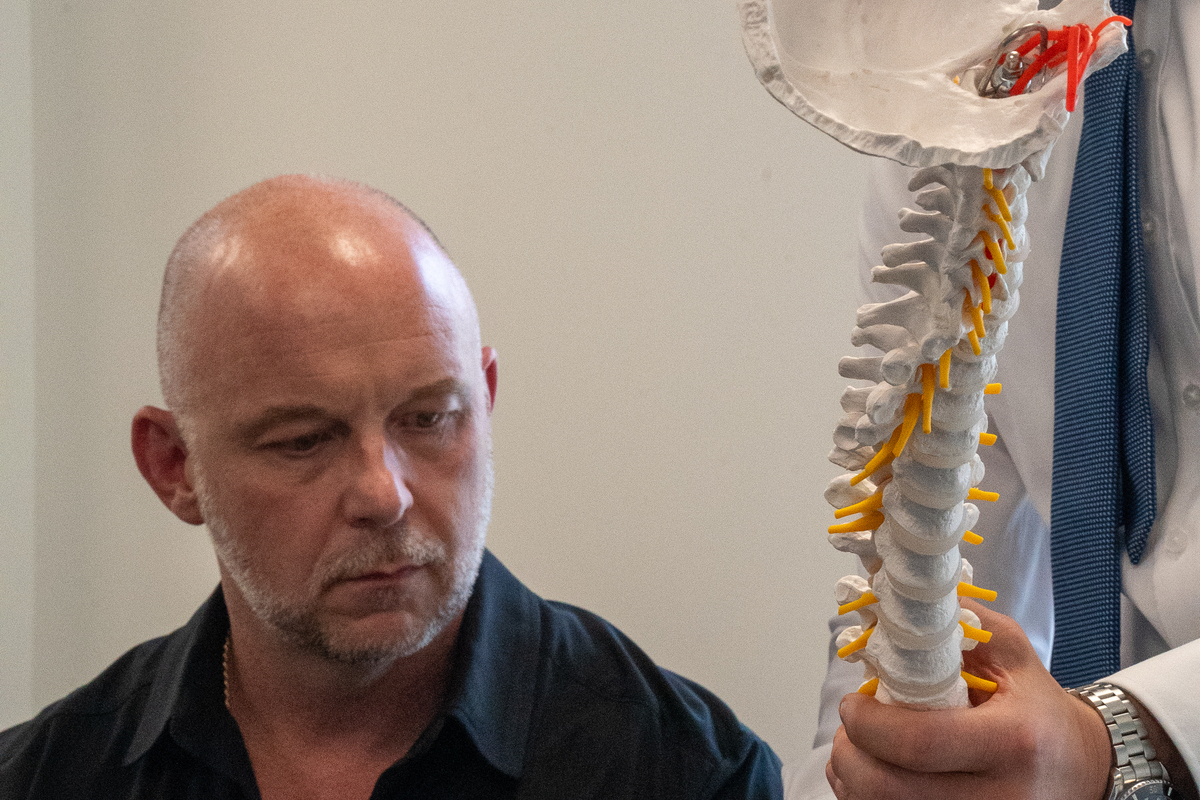
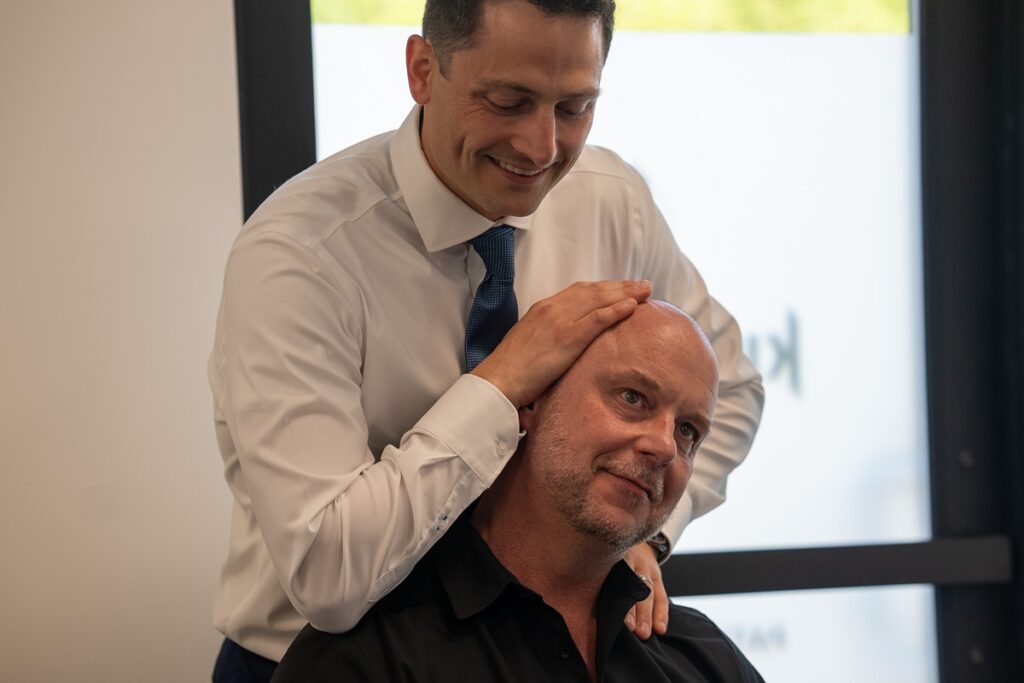
Even with excellent posture habits, good hydration, and stress management, some headaches are rooted in structural issues in the cervical spine that respond best to hands-on care. Chiropractic care — specifically spinal manipulation and manual therapy of the cervical and upper thoracic spine — has been studied as a conservative, drug-free approach for managing certain types of headaches. Evidence from a number of reviews, including guidance from organizations like the American Chiropractic Association, suggests that spinal manipulation may be an effective option for tension-type and cervicogenic headaches.
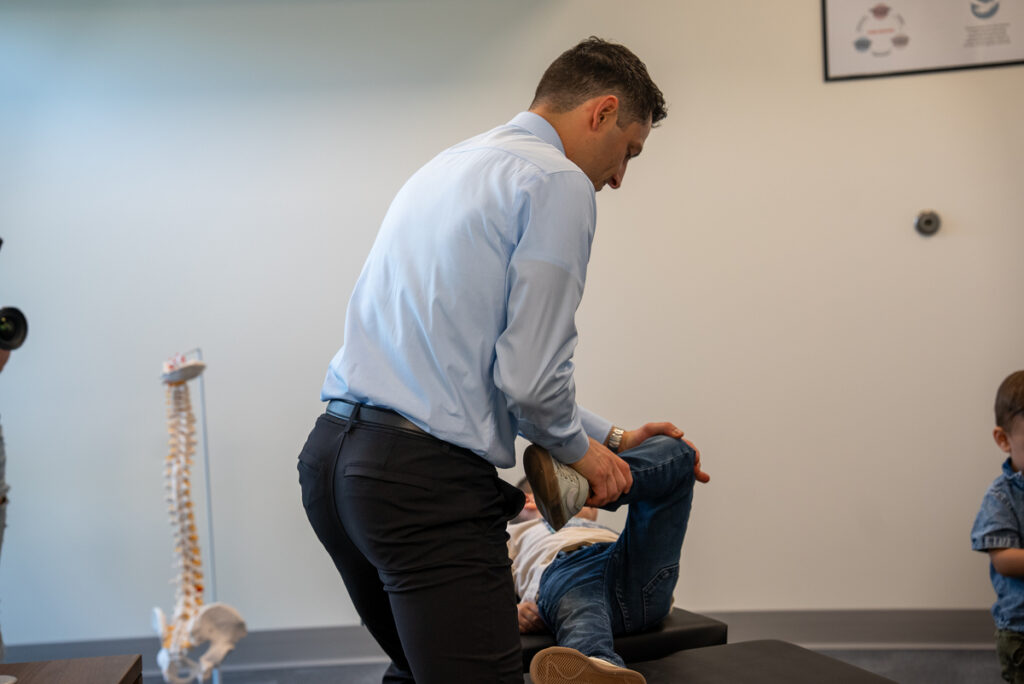
What does chiropractic care for headaches look like? At Kingfisher Chiropractic, Dr. Thomas Etue begins with a thorough assessment of your spinal health, posture, and movement patterns. Based on that evaluation, care may include gentle chiropractic adjustments to improve joint mobility and reduce nerve irritation in the neck, soft tissue work to release tight muscles, and personalized guidance on posture, ergonomics, and movement habits. The goal is always to identify and address contributing causes, not just to temporarily quiet the pain.
Chiropractic care is individualized. Not every patient needs the same approach, and Dr. Etue takes the time to understand your specific headache patterns before recommending a care plan. For many patients in Bellingham, WA, incorporating regular chiropractic care into their lives has been a meaningful part of reducing both the frequency and the severity of recurring headaches.
When to See a Chiropractor for Headaches
If your headaches occur more than a couple of times per month, last for hours or days, are accompanied by neck pain or stiffness, or seem to worsen with prolonged sitting or screen time, those are all good reasons to have your cervical spine evaluated by a chiropractor. Headaches that consistently begin at the base of the skull and radiate forward are particularly common signs of cervicogenic involvement — exactly the kind of headache that chiropractic care is well-suited to address.
There are also certain warning signs that indicate your headache may require medical evaluation rather than — or in addition to — chiropractic care. These include a sudden, severe headache that feels like “the worst headache of your life,” headaches accompanied by fever, vision changes, confusion, weakness, or numbness, or headaches that follow a head injury. In any of these situations, please seek medical attention promptly. At Kingfisher Chiropractic, patient safety is always the priority, and Dr. Thomas Etue will always refer patients to the appropriate medical provider when a situation calls for it.
Headache Triggers vs. Prevention Strategies
Common Headache Trigger |
Prevention Strategy |
Who Can Help |
|---|---|---|
|
Forward head posture / tech neck |
Monitor at eye level, ears over shoulders, posture awareness |
Chiropractor, ergonomic assessment |
|
Dehydration |
Drink water consistently throughout the day |
Self-managed; discuss with your care team |
|
Poor or insufficient sleep |
Supportive pillow, neutral neck position, consistent sleep schedule |
Chiropractor, primary care provider |
|
Chronic stress and muscle tension |
Movement breaks, breathing exercises, regular physical activity |
Chiropractor, counselor, wellness team |
|
Prolonged static sitting |
Move every 45–60 minutes, cervical range-of-motion exercises |
Chiropractor, physical therapist |
|
Cervical spine joint dysfunction |
Chiropractic adjustments, manual therapy |
Chiropractor (e.g., Kingfisher Chiropractic) |
Myths vs. Facts About Headaches
Myth: Headaches are just a normal part of life that you have to live with.
Fact: While headaches are extremely common, frequent or recurring headaches are not something you simply have to accept. Many headaches have identifiable, addressable causes. With the right combination of lifestyle changes, spinal care, and professional guidance, most people can significantly reduce how often they experience headaches.
Myth: If your headache goes away on its own, there’s no need to address it.
Fact: Headaches that resolve on their own can still indicate an underlying pattern worth addressing — particularly if they recur. A headache that repeatedly comes from the same source (like cervical spine tension) will keep returning until that root cause is treated. Waiting until a headache becomes severe or chronic makes it harder to address.
Myth: Chiropractic care is only for back pain.
Fact: Chiropractic care encompasses the entire musculoskeletal and neuromusculoskeletal system, including the cervical spine. Research suggests that chiropractic adjustments can be an effective conservative care option for tension-type and cervicogenic headaches. Many patients at Kingfisher Chiropractic come specifically because of headaches, not back pain.
Myth: You need to take pain medication every time you get a headache.
Fact: Over-reliance on pain medication — even over-the-counter options — can actually lead to a condition known as medication overuse headache, where the medication itself begins to contribute to headache frequency. Conservative approaches, including spinal care, hydration, movement, and stress management, are important tools for reducing reliance on medication over time. Always consult your healthcare provider about your medication use.
Myth: Headaches only come from your head.
Fact: Many headaches originate in structures well outside the head itself. Cervicogenic headaches, for example, are caused by dysfunction in the joints, muscles, and nerves of the cervical spine and refer pain upward into the head. Treating the neck — not just the head — is often the key to resolving this type of headache.
Final Thoughts From Kingfisher Chiropractic
Living with frequent headaches can feel exhausting and discouraging, but it is important to remember that headaches are rarely something you are simply stuck with. Most people who experience recurrent headaches have real, identifiable contributing factors — and real, achievable strategies for reducing them. The five tips in this article are a strong foundation: correct your posture, stay hydrated and sleep well, manage stress, keep your body moving, and address any spinal dysfunction that may be contributing to your pain.
Here at Kingfisher Chiropractic in Bellingham, WA, Dr. Thomas Etue is passionate about helping members of our community find genuine, lasting relief from headache pain. Our approach is thorough, caring, and always focused on your individual needs. We take the time to understand your headache history, evaluate your spinal health, and build a care plan that makes sense for your life and your goals.
If you have been struggling with recurring headaches and you are ready to explore a conservative, drug-free approach to feeling better, we would be honored to be part of your journey. Bellingham is a wonderful community, and we believe everyone in it deserves to feel their best — headache-free included.
Frequently Asked Questions
Can a chiropractor really help with headaches?
Yes, for certain types of headaches — particularly tension-type and cervicogenic headaches — chiropractic care has been shown to be a helpful conservative option. Evidence suggests that spinal manipulation of the cervical spine may reduce headache frequency and intensity for many patients. A thorough evaluation helps determine whether chiropractic care is appropriate for your specific type of headache.
How do I know if my headaches are coming from my neck?
Cervicogenic headaches often begin at the base of the skull and radiate forward toward the forehead, eye, or temple. They are frequently accompanied by neck stiffness or pain and may worsen with sustained postures like sitting at a desk. A chiropractor can perform an evaluation to assess whether your cervical spine is contributing to your headaches.
How many chiropractic visits does it take to see improvement in headaches?
This varies depending on the individual, the type of headache, how long it has been occurring, and contributing lifestyle factors. Some patients notice improvement within a few visits, while others with more chronic patterns may need a longer course of care. Dr. Thomas Etue at Kingfisher Chiropractic will discuss realistic expectations with you based on your specific situation.
Are there headaches that chiropractic care cannot treat?
Yes. Chiropractic care is best suited for musculoskeletal-related headaches like cervicogenic and tension-type headaches. Migraines may also benefit from cervical care in some cases, but they are complex and may require a multidisciplinary approach. Headaches caused by serious underlying medical conditions — such as infections, vascular issues, or tumors — require medical management, not chiropractic care.
What lifestyle changes are most effective for headache prevention?
Improving posture and ergonomics, staying consistently hydrated, getting adequate and restful sleep, managing stress, and building regular movement into your day are among the most impactful lifestyle changes for reducing headache frequency. These strategies work best when combined with professional evaluation and, when appropriate, spinal care.
Should I still see a chiropractor if my headaches are infrequent?
If your headaches are mild and infrequent, lifestyle modifications may be sufficient. However, even occasional headaches can sometimes indicate developing spinal tension or alignment issues that are worth addressing early. An evaluation at Kingfisher Chiropractic can help you understand whether chiropractic care would be beneficial at your stage of symptoms.
TL;DR Summary
-
Headache prevention focuses on identifying and addressing root causes — like poor posture, dehydration, stress, and spinal dysfunction — rather than simply masking pain.
-
Forward head posture and cervical spine dysfunction are major contributors to tension-type and cervicogenic headaches, both of which can respond well to chiropractic care.
-
Simple daily habits — staying hydrated, sleeping in a supportive position, managing stress, and moving regularly — can significantly reduce headache frequency.
-
Chiropractic adjustments and manual therapy of the cervical spine are evidence-supported conservative options for headache management.
-
Dr. Thomas Etue and the team at Kingfisher Chiropractic in Bellingham, WA are here to help you understand your headaches and build a personalized plan for lasting relief.