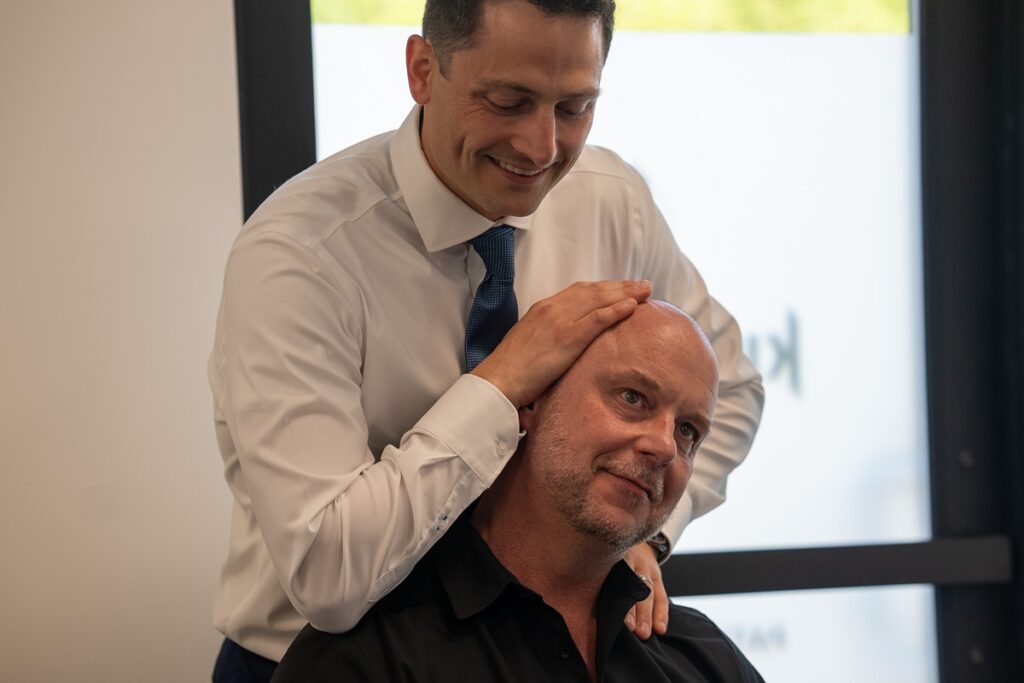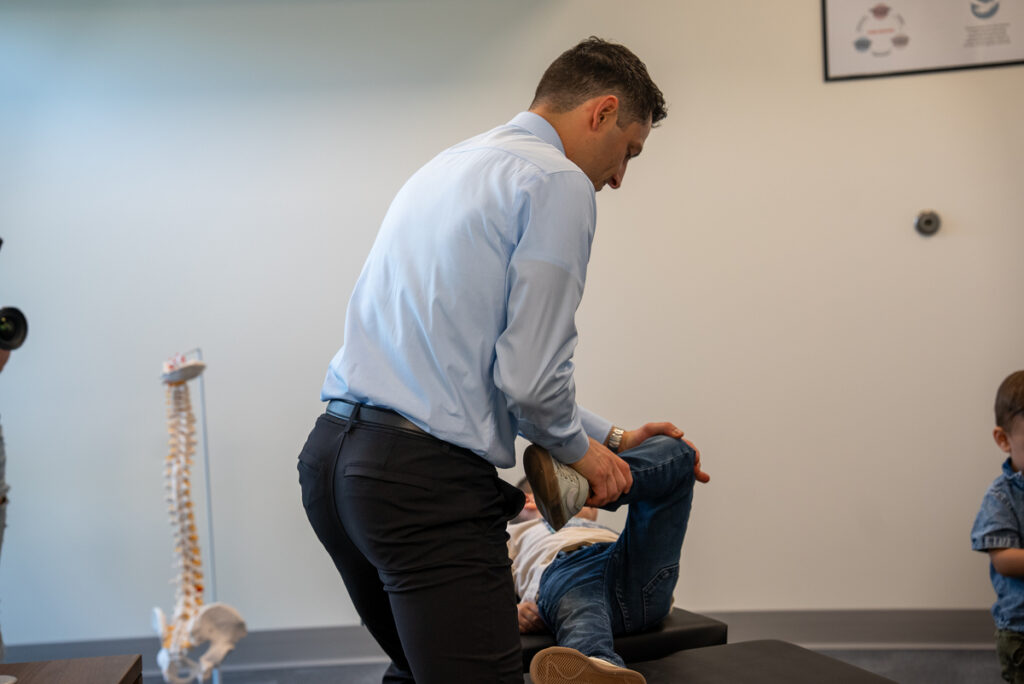


Neck pain is one of the most common complaints we see in chiropractic practice, and if you’re reading this, there’s a good chance you’ve experienced that familiar ache, stiffness, or tension somewhere between your shoulders and the base of your skull. Whether it comes on gradually after a long workday or hits you suddenly after an awkward night’s sleep, neck pain can genuinely disrupt your daily life. Here at Kingfisher Chiropractic in Bellingham, WA, Dr. Thomas Etue works with patients every day who are looking for answers — and relief — from persistent neck pain. In this article, we’ll walk through the top causes of neck pain, how to recognize them, and what you can do to start feeling better.
What is neck pain, exactly?
Neck pain refers to discomfort, stiffness, soreness, or reduced range of motion in the cervical spine — the seven vertebrae that make up the neck region. It can range from mild and temporary to chronic and debilitating, and it often involves the surrounding muscles, nerves, joints, and soft tissue.
Poor Posture and Tech Neck
If there’s one cause of neck pain that has truly exploded in recent decades, it’s poor posture — and more specifically, what many healthcare providers now call “tech neck.” This is the strain that develops when you spend prolonged periods looking down at a phone, hunching forward at a desk, or craning your neck toward a computer screen that’s positioned too low or too far away.
The human head weighs roughly ten pounds when it’s balanced directly over the spine. But for every inch the head shifts forward, the effective load on the cervical spine increases significantly. By the time your chin is pushed just a few inches forward — a position most of us spend hours in every day — the muscles, ligaments, and joints in your neck are working much harder than they should be. Over time, this leads to muscle fatigue, joint compression, and that chronic, deep ache many people describe as feeling like they’re constantly carrying weight on their shoulders and neck.
Here in Bellingham, WA, Dr. Thomas Etue sees this pattern frequently — especially among people who work from home, students, and anyone whose job or lifestyle involves long hours on a device. The good news is that postural neck pain is one of the most responsive types of neck pain to conservative care and lifestyle adjustments.
Muscle Strain and Overuse
Muscle strain is another top cause of neck pain that affects people of all ages and activity levels. The neck is home to dozens of small and large muscle groups that work constantly to support your head, allow movement, and maintain balance. When these muscles are overworked, overstretched, or held in awkward positions for too long, they develop microtears, tightness, and inflammation — commonly known as a muscle strain.
Common scenarios that lead to muscle strain in the neck include sleeping in an unsupported position, carrying a heavy bag on one shoulder repeatedly, working with your arms raised above your head, or even something as simple as turning your head sharply during exercise. Stress is also a significant contributor — when we’re under mental or emotional tension, we often unconsciously tense the muscles in our neck and upper shoulders, which can lead to chronic tightness over time.
Muscle-related neck pain often feels like a dull ache or soreness that worsens with movement, and it may be accompanied by localized tenderness when you press on the affected area. While most muscle strains resolve with rest and care, recurring or severe muscle tension in the neck can signal an underlying biomechanical issue that deserves a closer look.
Spinal Misalignment and Joint Dysfunction
The cervical spine is a finely tuned structure made up of vertebrae, intervertebral discs, facet joints, and a network of nerves that branch out to the arms, shoulders, and upper back. When even one of those vertebrae shifts out of its optimal position — or when a facet joint loses its normal range of motion — the ripple effects can be significant. Chiropractors refer to this as a subluxation or joint dysfunction, and it’s one of the core concepts in chiropractic care.
Joint dysfunction in the cervical spine can develop gradually through postural habits, repetitive movements, or simply the accumulated stress of daily life. It can also arise from a single incident, like a sudden impact or an awkward fall. When the joints aren’t moving the way they should, the surrounding muscles often compensate by tightening up to protect the area — which leads to stiffness, reduced range of motion, and pain that can radiate into the shoulders, upper back, or even down the arms.
This is one of the primary reasons patients visit Kingfisher Chiropractic in Bellingham, WA. Dr. Thomas Etue is trained to identify these patterns of dysfunction through physical examination, range of motion testing, and a thorough patient history, and to address them using targeted, hands-on chiropractic techniques.
Injuries and Trauma
Acute injuries are a well-known cause of neck pain, and among them, whiplash is perhaps the most recognized. Whiplash occurs when the head is suddenly jerked forward and then backward — or vice versa — in a rapid motion that strains the muscles, ligaments, and soft tissues of the neck. It’s most commonly associated with rear-end car accidents, but it can also happen during contact sports, falls, or other sudden impacts.
What makes whiplash particularly tricky is that symptoms don’t always appear immediately after the incident. Some people feel fine in the hours following an accident, only to wake up the next morning with significant stiffness, pain, and headaches. This delayed onset can lead people to underestimate the injury and delay care — which may allow the tissues to heal in a less-than-optimal way and contribute to longer-term discomfort.
Beyond whiplash, other neck injuries can include disc herniations from sudden loading of the spine, joint sprains, and nerve compression injuries. Each of these requires a careful, individualized evaluation to determine the safest and most effective path forward. If you’ve experienced any kind of trauma to your neck — even something that seems minor — it’s worth having it assessed by a qualified professional.
Degenerative Conditions of the Cervical Spine
As we age, the structures of the cervical spine naturally undergo wear and tear. The intervertebral discs — which act as cushions between the vertebrae — gradually lose hydration and height. The joints themselves can develop arthritic changes, including bone spurs that may narrow the spaces through which nerves travel. This broad category of age-related changes is often referred to as cervical spondylosis or degenerative disc disease.
These conditions are more common than many people realize. Research suggests that degenerative changes in the cervical spine begin appearing in imaging as early as middle age, even in people who have no symptoms at all. When symptoms do develop, they often include stiffness in the morning, reduced range of motion, neck pain that worsens toward the end of the day, and sometimes radiating pain or numbness into the arms and hands.
It’s important to understand that a diagnosis of cervical spondylosis or degenerative disc disease is not a life sentence of pain. Many people manage these conditions very effectively with conservative care, movement, and lifestyle adjustments. Chiropractic care is often part of that management strategy, helping to maintain mobility and reduce discomfort without the need for medications or surgery.
How Chiropractic Care Fits In
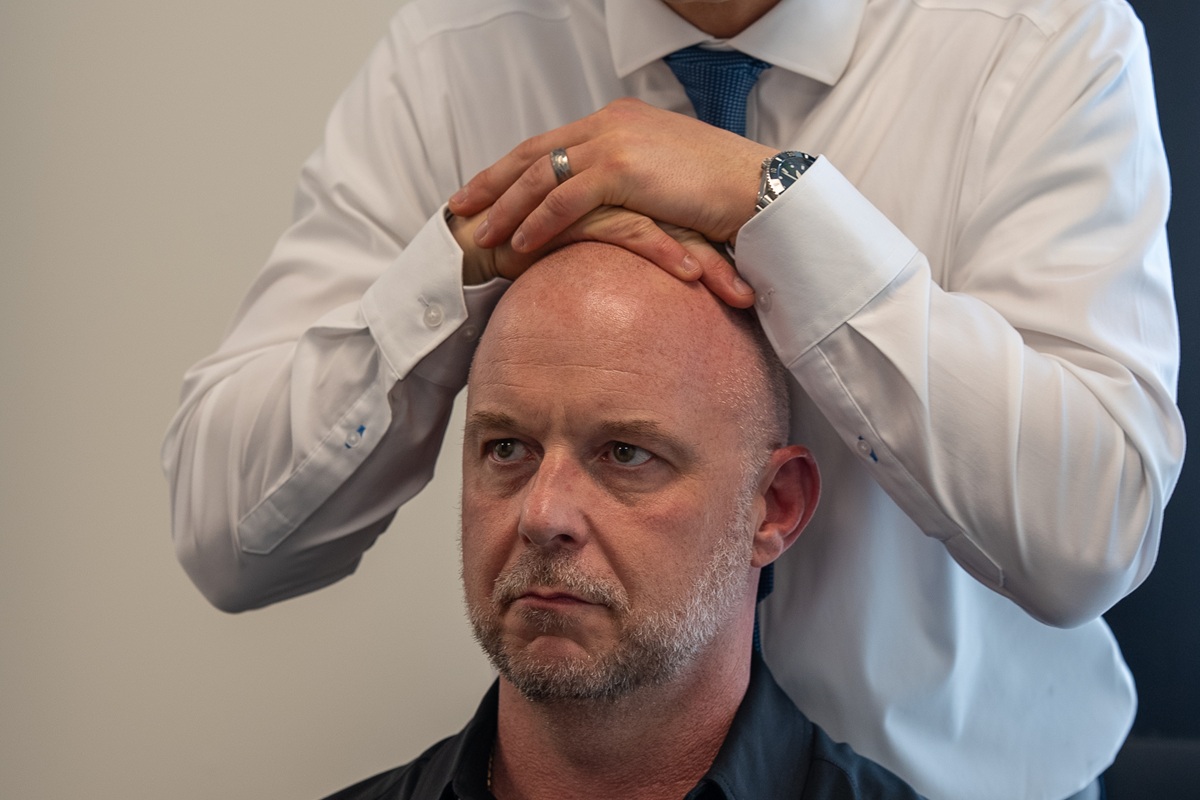
Chiropractic care offers a non-invasive, drug-free approach to addressing many of the most common causes of neck pain. Rather than masking symptoms, chiropractic care focuses on identifying and addressing the underlying biomechanical factors that contribute to pain and dysfunction. This makes it especially well-suited for conditions like postural neck pain, joint dysfunction, muscle imbalances, and recovery from soft tissue injuries.
At Kingfisher Chiropractic, Dr. Thomas Etue takes a thorough, patient-centered approach to care. Every patient starts with a detailed evaluation that includes a health history, orthopedic and neurological assessment, and range of motion testing. From there, a care plan is developed that is tailored to the individual — because no two necks, and no two patients, are exactly the same.
Chiropractic techniques for neck pain may include gentle spinal adjustments to restore joint mobility, soft tissue work to address muscle tension, and guidance on exercises, stretches, and ergonomic improvements that support long-term recovery. The American College of Physicians (ACP) and other major health organizations have recognized spinal manipulation as a viable option for managing acute and chronic neck pain as part of a conservative care approach. For many patients in Bellingham, WA, chiropractic care has been a meaningful part of their journey back to comfort and function.
Practical Tips to Protect Your Neck
There are several everyday habits that can make a real difference in the health and comfort of your cervical spine. Ergonomics is a great place to start. Your computer monitor should be at eye level so that your head isn’t tilting up or down. Your chair should support the natural curve of your lower back, which indirectly helps reduce strain higher up in the spine. If you use a phone frequently, try to raise it to eye level rather than dropping your chin to look down at the screen.
Movement throughout the day is equally important. Sitting in any one position for extended periods — even a good one — creates cumulative stress on the neck. Taking a brief break every 30 to 60 minutes to stand, walk around, or gently move your neck through its range of motion can help prevent that familiar buildup of tension. Sleep position also matters. Sleeping on your side or back with a supportive pillow that keeps your cervical spine in a neutral alignment tends to be gentler on the neck than sleeping on your stomach.
Finally, managing stress is something many people overlook when it comes to neck pain. Because tension tends to collect in the neck and upper shoulders during periods of stress, practices like deep breathing, gentle movement, and adequate sleep all contribute to keeping the muscles in that area relaxed and resilient.
When to See a Chiropractor
If your neck pain has lasted more than a few days without improvement, or if it keeps coming back despite your best efforts at self-care, it’s a good time to have it professionally evaluated. Chiropractic care can be appropriate for a wide range of neck pain presentations — from mild tension and stiffness to more complex mechanical issues involving the joints or soft tissues.
There are certain warning signs, however, that should prompt you to seek more immediate medical attention. These include neck pain following a significant injury or accident, pain accompanied by numbness or weakness in the arms or hands, difficulty with balance or coordination, severe headaches that come on suddenly and intensely, or any symptoms that involve the bowel or bladder. These may indicate a more serious underlying condition that requires urgent evaluation.
For the vast majority of neck pain patients, a visit to Kingfisher Chiropractic in Bellingham, WA is a great first step toward getting answers and beginning a path toward relief.
|
Type of Neck Pain |
Common Triggers |
Typical Symptoms |
Chiropractic Relevance |
|---|---|---|---|
|
Postural / Tech Neck |
Screen time, desk work, phone use |
Dull ache, forward head posture, tension |
High — responds well to adjustments and ergonomic guidance |
|
Muscle Strain |
Overuse, stress, poor sleep position |
Soreness, localized tenderness, stiffness |
High — soft tissue and manual therapy very effective |
|
Joint Dysfunction |
Repetitive stress, poor posture, minor trauma |
Stiffness, reduced range of motion, radiating pain |
Very High — core focus of chiropractic evaluation and care |
|
Whiplash / Trauma |
Car accidents, sports injuries, falls |
Delayed onset pain, headaches, limited motion |
High — early conservative care supports recovery |
|
Cervical Spondylosis |
Age-related degeneration, accumulated wear |
Morning stiffness, arm tingling, reduced mobility |
Moderate — helps manage symptoms and maintain function |
Myths vs. Facts About Neck Pain
Myth: Neck pain always means something is seriously wrong.
Fact: The vast majority of neck pain cases are musculoskeletal in nature — meaning they involve muscles, joints, and soft tissues rather than serious pathology. Most cases respond well to conservative care, rest, and appropriate movement. While it’s always wise to have persistent or unusual pain evaluated, neck pain alone is rarely a sign of something dangerous.
Myth: You should rest and avoid movement when your neck hurts.
Fact: Complete rest and immobility are rarely recommended for most types of neck pain. Gentle, controlled movement helps maintain circulation, reduces stiffness, and supports healing. Staying active within a comfortable range of motion is typically encouraged, while avoiding movements that provoke sharp or severe pain.
Myth: Chiropractic adjustments for the neck are dangerous.
Fact: Chiropractic care for the cervical spine has an established safety record when performed by a qualified, licensed chiropractor. Serious adverse events are considered rare. Dr. Thomas Etue conducts a thorough evaluation before any treatment to ensure that chiropractic care is appropriate for each individual patient.
Myth: Neck pain is just a normal part of getting older that you have to live with.
Fact: While degenerative changes in the cervical spine become more common with age, pain and significant functional limitation are not inevitable. Many older adults maintain excellent neck health and comfort with proper care, movement habits, and periodic professional support.
Myth: If imaging like an X-ray or MRI doesn’t show anything obvious, your pain isn’t real.
Fact: Many real and significant sources of neck pain — including muscle dysfunction, joint restriction, and soft tissue injuries — do not show up clearly on standard imaging. A skilled clinician’s hands-on evaluation can often identify the source of pain that imaging alone may miss.
Finding Support for Neck Pain in Bellingham, WA
Living with neck pain doesn’t have to be your normal. Whether your discomfort is coming from long hours at a desk, an old injury that never quite healed, or the gradual wear of years of daily life, there are real, evidence-informed options available to help you feel better and move with more ease.
At Kingfisher Chiropractic in Bellingham, WA, Dr. Thomas Etue is committed to helping members of this community understand what’s going on in their bodies and find a path forward that makes sense for their individual situation. The approach here is never one-size-fits-all — it’s thorough, thoughtful, and genuinely focused on your long-term wellbeing. If you’ve been dealing with neck pain and looking for a trusted chiropractor near you in Bellingham, we’d be honored to be part of your care team.
Frequently Asked Questions About Neck Pain
How long does neck pain typically last?
The duration of neck pain depends on the underlying cause and how quickly it’s addressed. Acute muscle strains often resolve within a few days to a couple of weeks with appropriate care. Mechanical or joint-related neck pain may take longer, especially if the contributing habits or dysfunctions aren’t addressed. Chronic neck pain lasting more than three months warrants a professional evaluation.
Can neck pain cause headaches?
Yes — this is actually very common. Headaches that originate from the neck are called cervicogenic headaches, and they typically begin at the base of the skull and radiate upward. Tight muscles, joint dysfunction, and nerve irritation in the cervical spine can all contribute to this type of headache. Chiropractic care is one of the approaches that evidence suggests may help with cervicogenic headaches.
Is it okay to crack my own neck?
Many people habitually self-manipulate their necks, and while this may provide temporary relief, it’s generally not recommended as a substitute for professional care. Self-cracking typically involves moving the joints at their extreme range of motion without a targeted assessment, which over time may contribute to joint instability. A chiropractor provides specific, controlled adjustments that are far more precise.
Can a poor mattress or pillow cause neck pain?
Absolutely. Sleep surface and pillow support play a significant role in cervical spine health. A pillow that doesn’t support the natural curve of your neck, or that forces your head into a flexed or extended position for hours each night, can contribute meaningfully to morning stiffness and recurring neck pain. Dr. Thomas Etue can offer guidance on sleep positioning and pillow selection during your visit.
Does stress really cause neck pain?
Yes — stress has a well-documented connection to muscular tension, particularly in the neck and upper shoulders. When we are anxious or under pressure, we often unconsciously elevate our shoulders and tighten the muscles around the cervical spine. Over time, this habitual tension can lead to genuine pain and restriction. Addressing both the physical and lifestyle components of neck pain tends to produce the best results.
Should I use heat or ice on my neck?
Generally speaking, ice tends to be helpful in the first 48 to 72 hours following an acute injury, as it helps reduce inflammation. Heat is often more appropriate for chronic muscle tightness or stiffness, as it promotes circulation and relaxation. When in doubt, your chiropractor can provide guidance based on your specific situation and the nature of your neck pain.
TL;DR — Key Takeaways
-
The most common causes of neck pain include poor posture and tech neck, muscle strain, joint dysfunction, injury or trauma, and degenerative changes in the cervical spine.
-
Tech neck — caused by prolonged forward head posture while using devices — is one of the fastest-growing sources of neck pain across all age groups.
-
Chiropractic care offers a non-invasive, drug-free approach to addressing the underlying causes of neck pain, not just the symptoms.
-
Most neck pain is musculoskeletal and responds well to conservative care, movement, and ergonomic adjustments.
-
If your neck pain is persistent, recurring, or accompanied by arm numbness or other neurological symptoms, it’s time to get a professional evaluation at Kingfisher Chiropractic in Bellingham, WA.