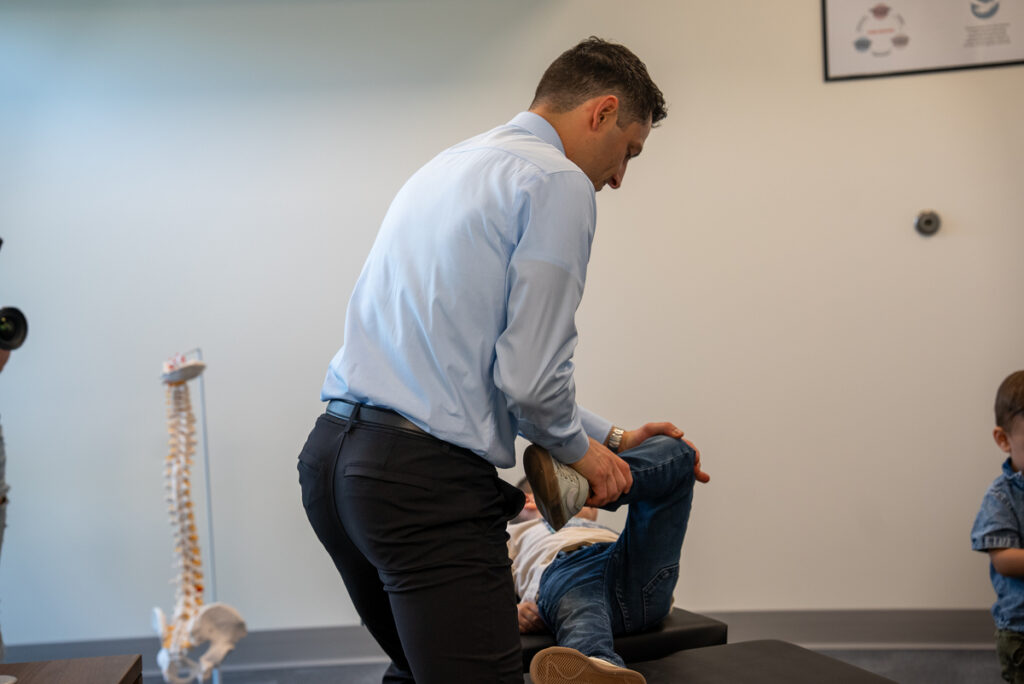

Chronic back pain can be a frustrating challenge, but there’s no need to resort to invasive procedures or medications. As a chiropractor, I believe in the power of non-invasive solutions that can help you regain control of your life and promote natural healing. Chiropractic care is one of the most effective ways to address chronic back pain, focusing on the spine and overall wellness.
Through targeted chiropractic adjustments, we can realign your spine, alleviate pressure on nerves, and restore proper function to your body. This not only helps relieve pain but also enhances your overall health. In addition to chiropractic care, there are supportive strategies you can incorporate into your daily routine to further improve your well-being.
Consider practicing gentle stretching and strengthening exercises specifically designed for your back. These help build muscle support and improve flexibility, which can ease tension and reduce pain. Mindfulness techniques, such as deep breathing exercises and meditation, can also be beneficial. They promote relaxation and help you manage stress, which can often exacerbate pain.
As you explore these options, remember that the right combination of chiropractic care and healthy lifestyle choices can lead you to a pain-free future. Focus on maintaining good posture, staying active, and listening to your body’s needs. Together, we can unlock the path to optimal health and wellness without the need for invasive treatments.
Key Takeaways
- Regular chiropractic adjustments can align your spine, relieving pressure on nerves and helping to alleviate back pain. This natural method enhances your body’s ability to heal itself and can lead to improved overall health.
- Engage in physical therapy guided by your chiropractor to strengthen your back and core muscles. This not only enhances stability but also supports your spine and reduces pain effectively.
- Spinal decompression therapy, often offered in chiropractic clinics, can help relieve nerve pressure caused by herniated discs. This gentle, non-invasive treatment promotes healing and can significantly improve your comfort levels.
- Practice good posture and ergonomic techniques throughout your daily activities. Your chiropractor can provide personalized advice on how to maintain spinal alignment, which helps prevent strain and discomfort.
- Consider incorporating biofeedback techniques into your routine, as they can help you manage pain and promote relaxation. These practices, combined with chiropractic care, can enhance your overall wellness and support your journey toward a pain-free life.
By focusing on these non-invasive strategies, you can take control of your health and work towards a pain-free future. Remember, chiropractic care is a holistic approach that prioritizes your body’s natural ability to heal.
Physical Therapy
Chiropractic care provides a holistic approach to managing chronic back pain. By visiting a skilled chiropractor, you’ll discover the underlying causes of your discomfort and receive a personalized treatment plan designed just for you. Through gentle adjustments, we can help realign your spine, which often leads to immediate relief and improved overall function.
Engaging in targeted chiropractic techniques not only strengthens your back and core muscles but also enhances your stability and balance. Additionally, we focus on stretching and mobility exercises to increase flexibility, alleviate tension, and reduce pain.
A key component of your chiropractic care will be learning proper body mechanics. This knowledge empowers you to avoid movements that could worsen your condition, promoting better posture and spinal alignment. Regular chiropractic sessions can help you minimize your reliance on pain medications while also teaching you effective pain management strategies.
By committing to your chiropractic treatment plan, you can significantly improve your quality of life, allowing you to participate in daily activities with greater ease and less discomfort. Embrace chiropractic care as a natural solution to reclaim your mobility and promote your overall well-being.
For additional support, remember to maintain a healthy lifestyle through regular exercise, staying hydrated, and practicing good posture throughout your day. These simple tips can enhance the benefits of your chiropractic care and keep you feeling your best.
Acupuncture
Chiropractic care is a powerful approach for achieving relief from chronic back pain and promoting overall wellness. Unlike other methods that may require invasive procedures or medications, chiropractic focuses on the spine and its alignment to enhance your body’s natural healing abilities.
During a chiropractic session, a licensed chiropractor uses hands-on techniques to adjust your spine and other joints, helping to restore proper function and improve movement. This gentle manipulation can alleviate pressure on nerves and reduce inflammation, which are common contributors to back pain. Many individuals experience a sense of relief and relaxation after a session, often reporting a decrease in discomfort and an improvement in mobility.
In addition to spinal adjustments, chiropractors often provide valuable advice on lifestyle changes, exercises, and stretches that can support your recovery and promote healthier living. Simple habits such as maintaining good posture, staying active, and incorporating ergonomic practices into your daily routine can make a significant difference in your spinal health.
It’s important to remember that achieving optimal health often requires more than just one visit. Many patients benefit from a series of sessions tailored to their specific needs. With consistent chiropractic care, many individuals experience substantial improvements in their back pain and overall well-being.
If you’re seeking a natural and effective way to manage pain, consider scheduling a consultation with a chiropractor. They can help you develop a personalized plan that prioritizes your health and wellness, steering you away from invasive treatments while focusing on the root causes of your discomfort. Your journey to a healthier spine and a pain-free life starts with a simple step—reaching out for chiropractic care.
Chiropractic Care
Chiropractic care is centered around spinal alignment techniques that are designed to help alleviate chronic back pain effectively. As a local chiropractor, I believe in the power of natural healing and the importance of restoring your body’s balance and function. By utilizing targeted pain relief strategies, chiropractors like myself focus on addressing the root causes of pain rather than just masking symptoms.
This holistic approach to wellness not only tackles discomfort but also promotes overall health, ensuring that your body operates at its best. When you choose chiropractic care, you’re opting for a safe, non-invasive solution that encourages healthier living without the need for surgeries or medications.
Here are some general tips to help you on your journey to better health:
- Stay Active: Engage in regular physical activity. Simple exercises like walking, stretching, or yoga can strengthen your back and improve flexibility.
- Maintain Good Posture: Be mindful of your posture, whether sitting, standing, or lifting. Good alignment helps prevent strain on your spine.
- Stay Hydrated: Drinking enough water is essential for overall health and helps keep your spinal discs hydrated.
- Sleep Well: Ensure you have a supportive mattress and pillow that maintain proper spinal alignment while you sleep.
- Listen to Your Body: Pay attention to any discomfort or pain you may feel. Early intervention through chiropractic care can help prevent more serious issues down the line.
Spinal Alignment Techniques
Aligning your spine through specialized chiropractic techniques can significantly ease chronic back pain and promote overall wellness.
As a chiropractor, I focus on manual adjustments to correct misalignments in your spine, helping it achieve its optimal position. These adjustments not only restore mobility but also reduce nerve irritability and enhance your body’s overall function.
You may also want to consider spinal manipulation, which improves joint movement and alleviates stiffness.
Simple posture correction exercises can be incredibly beneficial in helping you maintain proper alignment during your daily activities, making a big difference over time.
Regular visits to a chiropractor can guide you toward long-term pain relief and effective self-care strategies. By prioritizing spinal alignment, you aren’t just addressing discomfort; you’re investing in your overall health and wellness.
If you’re dealing with chronic back pain, I invite you to consult with me to explore the most effective spinal alignment techniques tailored specifically to your needs.
Remember, taking care of your spine is a crucial step toward achieving a healthier lifestyle. Here are a few tips to keep in mind:
- Practice Good Posture: Whether sitting at a desk or standing, keep your shoulders back and your spine straight.
- Stay Active: Regular physical activity helps strengthen your back and core muscles, supporting your spine.
- Use Ergonomic Furniture: Invest in a good chair that supports your back, especially if you spend long hours sitting.
- Listen to Your Body: If you feel discomfort, take breaks and adjust your position to avoid strain.
- Stay Hydrated: Drinking plenty of water helps keep your spinal discs hydrated and healthy.
Pain Relief Strategies
When it comes to finding effective pain relief for chronic back issues, chiropractic care stands out as an excellent option that focuses on natural healing and overall wellness.
As a chiropractor, I utilize hands-on techniques to adjust your spine, which can relieve pressure on nerves and improve mobility. Each adjustment is tailored specifically to your unique condition, helping to reduce pain and enhance your overall function.
In addition to spinal adjustments, I incorporate soft tissue therapies such as massage to alleviate muscle tension and boost circulation. These therapies work synergistically with adjustments to maximize your healing potential.
I often recommend simple exercises that you can do at home to strengthen your back and prevent future flare-ups. This proactive approach empowers you to take charge of your health and manage your pain effectively.
Regular visits are important to ensure that your spine stays aligned, which promotes long-term relief and overall wellness. Remember, by actively participating in your care, you can enjoy a better quality of life.
Here are some general tips to support your journey to wellness:
- Maintain good posture, whether sitting or standing, to reduce strain on your back.
- Stay active with gentle exercises like walking or stretching to keep your muscles strong and flexible.
- Apply heat or cold packs to your back as needed to ease discomfort.
- Stay hydrated and eat a balanced diet to support your body’s healing processes.
Holistic Wellness Approach
Embracing a holistic wellness approach means understanding that your body is an interconnected system where every part plays a role in your overall health. As a local chiropractor, I want to emphasize how vital chiropractic care is in this journey towards optimal health. By focusing on spinal alignment, we can significantly enhance your body’s natural function and healing capabilities.
When your spine is aligned properly, it can alleviate chronic back pain and other discomforts, allowing your body to work more effectively. Regular chiropractic adjustments not only help relieve pain but also improve your mobility and support your nervous system, which is essential for overall health.
In addition to chiropractic care, there are simple lifestyle changes you can make to boost your wellness. Here are a few tips to consider:
- Maintain Good Posture: Be mindful of your posture whether sitting, standing, or moving. Good posture reduces stress on your spine and improves your overall health.
- Stay Active: Regular exercise is key. Activities like walking, stretching, or yoga can improve your flexibility and strength, supporting your chiropractic care.
- Eat Well: A balanced diet rich in nutrients fuels your body and complements your healing process. Focus on whole foods, plenty of fruits and vegetables, and staying hydrated.
- Listen to Your Body: Pay attention to what your body is telling you. If you feel discomfort, it’s a sign to seek help. Chiropractic care can provide the relief you need.
Ultimately, adopting a holistic approach empowers you to take charge of your health. By prioritizing chiropractic care and making these lifestyle changes, you can foster a balanced lifestyle that promotes long-term wellness and resilience against future pain.
Spinal Decompression
Spinal decompression is a fantastic non-invasive technique that can significantly help alleviate chronic back pain. This gentle method works by stretching the spine, creating space between vertebrae, which can relieve pressure on the discs and improve blood flow. As a chiropractor, I’ve seen firsthand how this therapy can enhance healing and restore comfort.
Here are some key benefits of spinal decompression that you should know:
- Relieves nerve pressure: This technique can help ease the discomfort caused by herniated discs, allowing you to feel more at ease in daily activities.
- Improves mobility: Regular spinal decompression sessions can increase your flexibility and range of motion, making it easier to move and enjoy life.
- Promotes healing: By enhancing nutrient delivery to damaged tissues, spinal decompression supports your body’s natural healing processes.
- Non-invasive: Unlike surgery, this approach avoids the risks and recovery times associated with more invasive procedures.
- Customizable treatment: Each spinal decompression plan can be tailored to fit your specific condition and needs, ensuring that you receive the best care possible.
If you’ve been struggling with chronic back pain, I encourage you to consider spinal decompression as a natural and effective solution. It can help you regain comfort and functionality without the need for invasive procedures.
In addition to spinal decompression, here are some general tips for maintaining a healthy back:
- Stay Active: Regular exercise strengthens your back muscles and helps prevent pain.
- Practice Good Posture: Be mindful of your posture when sitting, standing, and lifting to reduce strain on your spine.
- Stretch Daily: Incorporate stretching into your routine to improve flexibility and relieve tension.
- Use Ergonomic Furniture: Invest in a supportive chair and desk setup to promote better posture during work.
Massage Therapy
In addition to spinal decompression, chiropractic care offers a powerful, non-invasive approach for managing chronic back pain. When you visit your chiropractor, they use hands-on techniques to align your spine and relieve pressure on your nerves. This not only helps alleviate pain but also promotes better overall health and well-being.
You may find that spinal adjustments, combined with gentle stretching and strengthening exercises, can be particularly effective in easing tension and improving mobility in your back. Regular chiropractic sessions can enhance your flexibility, reduce inflammation, and even support better posture, which is essential for long-term relief.
It’s crucial to communicate openly with your chiropractor about your specific pain areas, so they can customize their treatment plan to address your unique needs. Many patients report feeling immediate relief after just one visit, making chiropractic care an appealing option for ongoing pain management.
Incorporating chiropractic care into your wellness routine can be transformative, giving you the tools to take control of your back pain naturally. Additionally, practicing good posture, staying active, and engaging in regular stretching can further support your spine health.
Biofeedback
Biofeedback is an incredible tool that can empower you to take charge of your body’s responses to pain, particularly when it comes to chronic back pain. By exploring various biofeedback techniques, you can learn to manage your discomfort more effectively, enhancing your overall well-being without the need for medications or surgeries.
As a chiropractor, I believe that incorporating biofeedback into your wellness journey, alongside regular chiropractic care, can lead to remarkable improvements in your health. Chiropractic adjustments work to align your spine and improve your nervous system function, which is essential for optimal health and pain relief.
Here are some general tips to help you make the most of biofeedback and chiropractic care:
- Stay Consistent: Regular chiropractic visits can help maintain spinal alignment, which is crucial for reducing pain signals. Pairing this with biofeedback techniques can enhance your healing journey.
- Practice Relaxation Techniques: Biofeedback often involves learning to relax your mind and body. Simple practices such as deep breathing or progressive muscle relaxation can help reduce tension and improve your pain management.
- Be Mindful of Posture: Maintaining good posture throughout your day can greatly affect your back pain. Consider your alignment while sitting, standing, or lifting to support your spine and overall well-being.
- Stay Active: Incorporate gentle exercises, like walking or stretching, into your routine. Physical activity can complement chiropractic care and help your body respond better to biofeedback techniques.
- Listen to Your Body: Pay attention to how your body feels during and after biofeedback sessions and chiropractic adjustments. This awareness will help you understand what works best for you.
Understanding Biofeedback Techniques
Harnessing the power of biofeedback techniques can be an excellent way to manage chronic back pain naturally. As a chiropractor, I want to emphasize that biofeedback is a valuable tool that complements chiropractic care, allowing you to take an active role in your healing journey. This technique uses sensors to give you real-time feedback on your body’s physiological functions, helping you learn how to control them effectively. By understanding how your body responds to different situations, you can adopt strategies to alleviate pain and reduce tension.
Here are some key aspects of biofeedback techniques that can enhance your wellness:
- Monitoring Muscle Tension: Biofeedback helps you identify areas of stress in your muscles. By becoming aware of this tension, you can use chiropractic adjustments to promote relaxation and proper alignment.
- Improving Posture: Awareness of your body alignment is crucial. Good posture not only helps prevent pain but also enhances the effectiveness of chiropractic treatments.
- Enhancing Relaxation Techniques: Incorporating relaxation methods like deep breathing can complement your chiropractic care. This can help you manage stress and tension, which may contribute to back pain.
- Tracking Pain Triggers: By understanding what triggers your pain, you can work with your chiropractor to develop a tailored treatment plan that addresses these factors.
- Improving Overall Well-Being: Biofeedback fosters a strong mind-body connection, which is essential for holistic health. Chiropractic care also promotes this connection, helping you achieve optimal wellness.
Incorporating biofeedback into your routine can empower you to take charge of your health. Remember, chiropractic care is a natural and effective way to relieve pain and support your body’s healing processes. If you’re struggling with chronic back pain, consider discussing biofeedback and chiropractic techniques with your chiropractor to create a comprehensive approach to your health.
Benefits for Chronic Pain
Understanding the benefits of biofeedback for managing chronic pain can significantly enhance your overall wellness strategy, especially when combined with chiropractic care. This technique helps you become more aware of your body’s physiological functions, allowing you to identify stress responses that may be linked to your pain. By learning to control these responses, you can effectively reduce tension and discomfort, which is crucial for maintaining a healthy spine and overall well-being.
Chiropractic care focuses on aligning your spine and improving your body’s natural ability to heal itself. Biofeedback complements this approach by empowering you to recognize and manage triggers that may exacerbate your pain. This awareness enables you to make informed lifestyle adjustments that support your healing journey.
Incorporating relaxation techniques, such as deep breathing or mindfulness meditation, can further enhance the benefits of biofeedback and chiropractic care. Together, these methods foster a sense of control over your body, which can lead to improved emotional health and resilience.
Moreover, biofeedback is a non-invasive technique that can seamlessly integrate with your chiropractic treatment plan. By using biofeedback to monitor your body’s responses, you may find that you experience fewer pain episodes and feel more empowered in your healing process.
Incorporating Into Treatment Plans
As you seek relief from chronic back pain, incorporating biofeedback into your wellness journey can truly enhance your experience. This technique empowers you to understand and control your body’s responses, making it easier to manage pain naturally.
Here are some key points to consider when thinking about biofeedback alongside your chiropractic care:
- Self-Regulation: By learning to control your body’s stress responses, you can reduce tension and discomfort in your back. This self-awareness is a powerful tool in your healing process.
- Pain Management: Biofeedback helps you identify what triggers your pain and teaches you effective relaxation techniques. When you know how to calm your body, you can lessen pain without relying on medications.
- Personal Empowerment: Gaining confidence in managing your own health is crucial. With biofeedback, you develop skills that allow you to take an active role in your healing journey.
- Holistic Approach: Combining biofeedback with chiropractic adjustments can lead to even better results. Together, they address both the physical and mental aspects of pain, promoting a more comprehensive healing experience.
- Long-Term Benefits: The skills you build through biofeedback can lead to lasting pain relief. By learning how to listen to your body and respond appropriately, you’re investing in your long-term health and wellness.
Remember, chiropractic care is an excellent foundation for achieving optimal health. It helps realign your spine, improves your body’s function, and complements techniques like biofeedback.
Whether you’re looking for immediate pain relief or long-term wellness, chiropractic care should be a key part of your strategy. Embrace these natural healing methods, and take charge of your health today!
Mindfulness and Meditation
Chronic back pain can be a challenging experience, but incorporating mindfulness and meditation into your daily life can offer significant relief. While chiropractic care is your best option for addressing the root causes of back pain, mindfulness practices can complement your treatment and help you manage discomfort more effectively.
Focusing on the present moment through mindfulness can help reduce anxiety and stress, which often make pain feel worse. By taking just a few minutes each day to practice mindfulness, you can develop a sense of calm and awareness that shifts your attention away from the pain.
Start with some simple breathing exercises. Find a comfortable position, close your eyes, and take deep breaths. As you breathe, pay attention to your thoughts without judging them. This practice will help you become more aware of your pain sensations without allowing them to take over your focus. You can also explore guided meditations available through various apps or online resources to enhance your mindfulness journey.
As you develop these mindfulness skills alongside your chiropractic care, you may notice a reduction in pain perception and a boost in emotional resilience. The key is consistency—make these techniques a regular part of your routine to empower yourself against chronic back pain.
Remember, chiropractic care addresses the underlying issues contributing to your pain, while mindfulness practices can help you manage your experience. Together, they can lead to a more holistic approach to your health and wellness.
Keep these tips in mind as you work toward a healthier, pain-free life!
Conclusion
Incorporating top non-invasive solutions can significantly improve your chronic back pain, and as a local chiropractor, I want to emphasize the remarkable benefits of chiropractic care in your journey toward relief. By seeking targeted chiropractic adjustments, you’re not just addressing the symptoms of pain but also working to correct underlying issues in your spine and nervous system.
While therapies like acupuncture and massage can offer temporary relief, nothing compares to the holistic benefits of chiropractic care. Regular adjustments can help restore proper alignment, improve mobility, and reduce inflammation, all of which are crucial for long-term pain management.
Don’t overlook the value of spinal decompression techniques offered in chiropractic practices, which can provide lasting relief for those suffering from herniated discs or chronic discomfort. Additionally, incorporating mindfulness and meditation into your routine can greatly enhance your overall well-being, especially when paired with consistent chiropractic care.
Remember, managing your pain effectively involves a comprehensive approach. Here are some simple tips you can incorporate into your daily life:
- Stay Active: Gentle exercises, like walking or stretching, can help keep your muscles strong and flexible.
- Practice Good Posture: Being mindful of your posture while sitting, standing, and lifting can prevent additional strain on your back.
- Stay Hydrated: Drinking plenty of water supports overall health and helps maintain the elasticity of spinal discs.
- Listen to Your Body: Pay attention to what your body is telling you. If something feels off, don’t hesitate to consult your chiropractor.
By focusing on chiropractic care and these practical tips, you can take proactive steps toward achieving optimal health and a pain-free lifestyle.