

Back pain is one of the most common reasons people seek medical care — and one of the most frustrating conditions to live with. Whether it’s a dull ache that won’t quit or a sharp, stabbing sensation that stops you in your tracks, back pain has a way of affecting everything: your work, your sleep, your mood, and your quality of life. If you’ve been considering chiropractic care but aren’t sure if it’s the right fit for you, you’re in good company. Many people here in Bellingham, WA wonder whether chiropractic care is truly safe and effective for back pain before taking that first step. The good news? The evidence is encouraging, and understanding what chiropractic care actually involves can help you make a confident, informed decision.
Is Chiropractic Care Safe and Effective for Back Pain?
For most people with common forms of back pain — including muscle tension, joint dysfunction, and mechanical low back pain — chiropractic care is considered a safe and effective conservative treatment option. Major health organizations, including the American College of Physicians (ACP), recognize spinal manipulation as a first-line, non-drug approach to managing back pain. While results vary depending on the individual and the condition, many patients experience meaningful relief through chiropractic treatment.
- What Is Chiropractic Care, Really?
- What Does the Evidence Say?
- Common Causes of Back Pain Chiropractic Can Address
- What to Expect at Kingfisher Chiropractic
- Understanding the Safety of Chiropractic Care
- Practical Tips to Support Your Recovery
- When to See a Chiropractor for Back Pain
- Myths vs. Facts About Chiropractic Care
What Is Chiropractic Care, Really?
Chiropractic care is a form of conservative, hands-on healthcare focused on the diagnosis and treatment of musculoskeletal conditions — particularly those involving the spine. At its core, chiropractic philosophy holds that proper spinal alignment and nervous system function are essential to overall health and well-being. When the joints of the spine become restricted, misaligned, or dysfunctional, it can contribute to pain, inflammation, and altered movement patterns throughout the body.
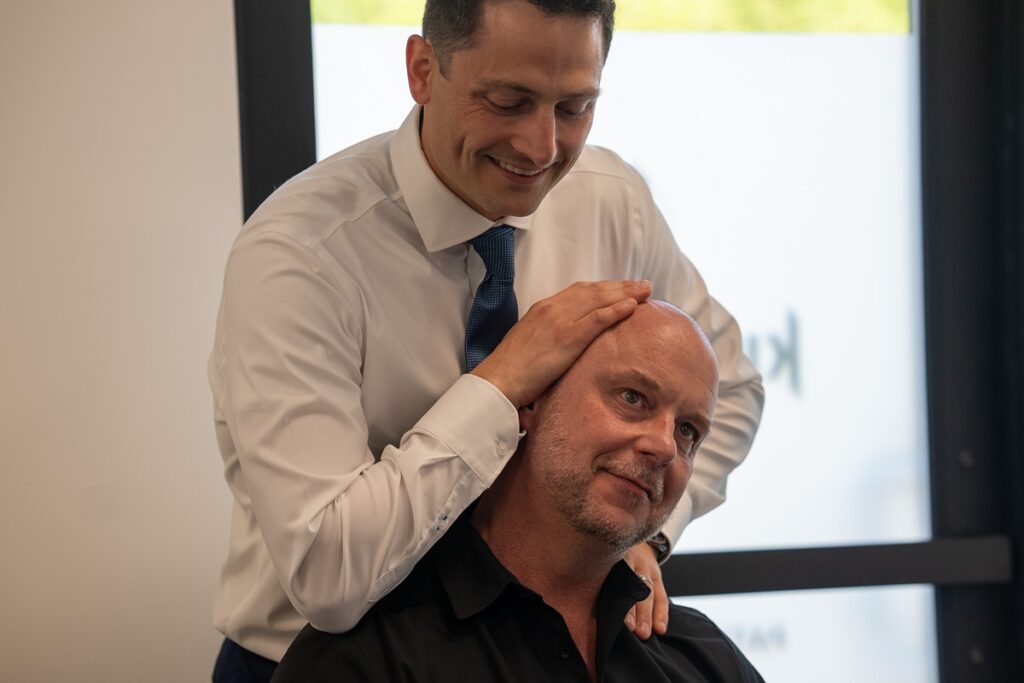
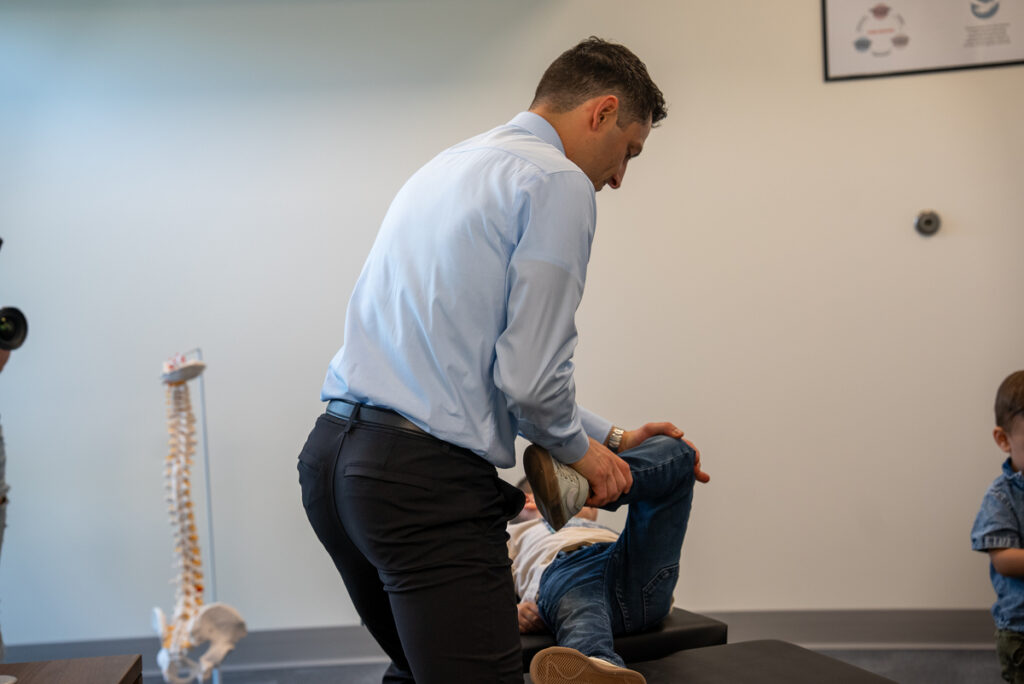
The primary tool in a chiropractor’s toolkit is spinal manipulation, sometimes called a “chiropractic adjustment.” This involves applying a controlled, targeted force to specific spinal joints to restore proper motion, reduce nerve irritation, and help the body heal naturally. But chiropractic care isn’t just about “cracking backs.” A comprehensive chiropractic evaluation also includes posture analysis, movement assessment, soft tissue therapy, therapeutic exercises, and lifestyle guidance.
Dr. Thomas Etue at Kingfisher Chiropractic in Bellingham, WA takes a thorough, individualized approach to every patient. No two backs are exactly alike, and care should reflect that. Understanding your history, your lifestyle, and your goals is just as important as the hands-on treatment itself.
What Does the Evidence Say?
One of the most common questions patients ask is: “Has chiropractic care actually been proven to work?” That’s a fair and important question. The short answer is yes — particularly for back pain. Research published in journals such as the Spine Journal and reviews from the Cochrane Library suggest that spinal manipulation can be effective in reducing pain and improving function for people with acute and chronic low back pain.
The American College of Physicians updated their clinical guidelines to recommend non-pharmacological treatments — including spinal manipulation — as a first-line approach for both acute and chronic low back pain. This is a significant endorsement from one of the most respected medical bodies in the United States. The National Institutes of Health (NIH) and its National Center for Complementary and Integrative Health (NCCIH) also acknowledge chiropractic care as a viable option for musculoskeletal pain management.
It’s important to be honest here: like all forms of healthcare, chiropractic care doesn’t work the same way for every person or every condition. Evidence is strongest for mechanical low back pain — the kind caused by poor posture, repetitive strain, or joint stiffness — rather than back pain linked to serious underlying pathology. That’s precisely why a proper evaluation is so important before beginning any course of care.
Common Causes of Back Pain Chiropractic Can Address
Back pain is rarely one-size-fits-all. It can stem from a wide variety of underlying causes, and the nature of your pain often determines which treatment approach is most appropriate. Here at Kingfisher Chiropractic, we frequently see patients in the Bellingham community dealing with the following:
Mechanical Low Back Pain: This is the most prevalent type of back pain and refers to pain originating from the spine, discs, muscles, or ligaments. It’s often related to poor posture, prolonged sitting, heavy lifting, or repetitive movements. Spinal adjustments, soft tissue work, and corrective exercises tend to respond well here.
Disc-Related Issues: Conditions like a herniated or bulging disc can cause localized back pain or radiating leg pain (sciatica). Chiropractic care can help take pressure off irritated nerves and restore movement without surgery or medication.
Muscle Strain and Spasm: Overworked or injured muscles can lock up and create persistent pain cycles. Chiropractic adjustments combined with soft tissue therapy help release that tension and allow proper healing.
Facet Joint Dysfunction: The small joints along the back of the spine (called facet joints) can become stiff, inflamed, or irritated — especially with age or after sudden movements. Targeted spinal manipulation can restore motion to these joints and provide meaningful relief.
Postural Imbalances: In today’s world of desk jobs and smartphone use, poor posture has become a widespread problem. Chronic forward head posture or a flattened lumbar curve can place significant strain on the spine over time. Dr. Thomas Etue works with patients on not just treating the pain, but correcting the underlying postural contributors.
What to Expect at Kingfisher Chiropractic
If you’re new to chiropractic care, knowing what to expect can ease any anxiety about that first visit. At Kingfisher Chiropractic in Bellingham, WA, your initial appointment with Dr. Thomas Etue begins with a thorough consultation and health history review. This is your opportunity to describe your pain, when it started, what makes it better or worse, and how it’s affecting your daily life.
Next comes a comprehensive physical examination, which may include orthopedic and neurological testing, range of motion assessment, and posture evaluation. If additional imaging like X-rays is necessary, Dr. Etue will let you know. The goal is to identify not just where you hurt, but why — because treating the root cause is what leads to lasting relief.
Once a clear picture of your condition is established, a personalized care plan is developed. This might include spinal adjustments, myofascial release, therapeutic stretching recommendations, and guidance on ergonomics or daily movement habits. Care is always explained in plain language so you understand exactly what’s being done and why.
Understanding the Safety of Chiropractic Care
Safety is understandably a top concern for anyone considering spinal manipulation for the first time. The good news is that chiropractic care is widely regarded as one of the safest forms of conservative care for back pain when performed by a licensed professional. Serious adverse events are rare. The most common side effects are mild and temporary — things like soreness in the treated area for a day or two after an adjustment, similar to how muscles feel after a new workout.
The World Health Organization (WHO) recognizes chiropractic care as a safe and effective healthcare practice for musculoskeletal conditions when delivered by properly trained practitioners. In the U.S., chiropractors complete extensive education — a minimum of four years of postgraduate doctoral training following an undergraduate degree — and are licensed by state boards.
There are certain situations where spinal manipulation is not appropriate, and a good chiropractor will always screen for these before beginning treatment. Conditions such as severe osteoporosis, spinal cord compression, fractures, or certain vascular abnormalities are contraindications to manipulation. This is why a thorough health history and physical examination are essential first steps — and why Dr. Thomas Etue prioritizes that process with every new patient at Kingfisher Chiropractic.
Practical Tips to Support Your Recovery
Chiropractic care works best when it’s supported by healthy habits and smart daily choices. Here are some practical ways you can take an active role in your recovery and long-term spinal health:
Stay Gently Active: Bed rest is no longer recommended for most types of back pain. Gentle walking, light stretching, and movement throughout the day help maintain circulation, reduce stiffness, and support healing. Even short breaks from prolonged sitting can make a real difference.
Evaluate Your Workspace: If you spend long hours at a desk, your workstation setup matters enormously. Your monitor should be at eye level, your chair should support the natural curve of your lower back, and your feet should rest comfortably flat on the floor. Small ergonomic tweaks can significantly reduce the daily strain on your spine.
Sleep Position Awareness: Sleeping on your stomach can place unnecessary strain on your lumbar spine and neck. Side sleeping with a pillow between your knees, or back sleeping with a pillow under your knees, tends to be more spine-friendly. Investing in a supportive mattress can also pay dividends for your back health over time.
Mindful Lifting: Whether you’re picking up a box at work or lifting a child at home, bending at the knees and keeping the load close to your body reduces the mechanical stress on your lower back. Avoid twisting while lifting, which is a common way back injuries occur.
Hydration and Nutrition: The intervertebral discs of your spine are largely composed of water. Staying well-hydrated helps maintain disc height and resilience. An anti-inflammatory diet rich in vegetables, healthy fats, and lean proteins also supports tissue healing throughout the body.
When to See a Chiropractor for Back Pain
Many people wait too long before seeking care. The longer back pain persists without treatment, the more likely it is to become chronic and harder to resolve. If your back pain has lasted more than a few days, is interfering with daily activities, or keeps coming back despite rest, it’s a good time to schedule an evaluation with a chiropractor near you.
Early intervention often leads to faster, more complete recovery. You don’t need a referral to see a chiropractor in Washington State, so you can contact Kingfisher Chiropractic in Bellingham directly to get started.
However, some symptoms warrant prompt medical attention rather than chiropractic care as a first step. These include back pain accompanied by loss of bladder or bowel control, back pain following a significant trauma like a car accident or fall (without first being evaluated by a physician), unexplained fever with back pain, or progressive leg weakness. These are potential signs of something more serious, and Dr. Thomas Etue will always refer out when a condition falls outside the scope of chiropractic care.
Back Pain Treatment Approaches: A Quick Comparison
| Approach | Invasiveness | Common Use | Potential Side Effects | First-Line Recommendation? |
|---|---|---|---|---|
| Chiropractic Care | Non-invasive | Mechanical back pain, joint dysfunction, disc issues | Temporary soreness (mild, common) | Yes (ACP guidelines) |
| Over-the-Counter Pain Medication | Non-invasive | Short-term symptom relief | GI issues, dependency risk with overuse | Short-term only |
| Physical Therapy | Non-invasive | Rehab, strengthening, movement restoration | Temporary soreness | Yes (often complementary to chiropractic) |
| Prescription Opioids | Non-invasive (oral) | Severe acute pain (short-term) | Dependency, sedation, significant risks | Not first-line for back pain |
| Spinal Surgery | Highly invasive | Structural pathology, failed conservative care | Surgical risks, recovery time | Last resort after conservative care |
Myths vs. Facts About Chiropractic Care for Back Pain
Myth: Once You Start Chiropractic Care, You Have to Go Forever
Fact: This is one of the most persistent misconceptions about chiropractic. While some people choose to continue with periodic maintenance visits for general wellness, the initial goal of chiropractic care is to resolve your pain and restore function. Dr. Thomas Etue develops care plans with clear goals and endpoints — you are never locked into ongoing care you don’t want or need.
Myth: Chiropractic Adjustments Are Dangerous
Fact: When performed by a licensed, trained chiropractor on an appropriately screened patient, spinal manipulation is considered very safe. Serious complications are exceedingly rare. The World Health Organization and other leading health bodies recognize chiropractic as a safe practice for musculoskeletal conditions. The risk-benefit profile compares favorably to many common alternatives, including long-term use of pain medications.
Myth: Chiropractic Care Is Only for Acute (Sudden) Back Pain
Fact: Chiropractic care can be beneficial for both acute and chronic back pain. In fact, evidence suggests that ongoing chiropractic management may help people with chronic low back pain maintain function, reduce flare-ups, and avoid more invasive interventions over time. Many residents in the Bellingham area come in for long-standing pain they’ve had for months or even years — and they find real relief.
Myth: You Need a Doctor’s Referral to See a Chiropractor
Fact: In Washington State, you can see a chiropractor directly without a referral from a medical doctor. Chiropractors are primary contact healthcare providers, meaning they are trained to evaluate, diagnose, and treat — or refer you to the appropriate specialist if needed.
Myth: The “Popping” Sound During an Adjustment Means Something Is Breaking
Fact: That familiar popping sound (called a cavitation) is simply the release of gas — primarily carbon dioxide — from the fluid inside a joint when the joint space is briefly expanded during an adjustment. It’s the same phenomenon that happens when you crack your knuckles. It is not bones breaking or grinding against each other, and it is not harmful.
Final Thoughts from Kingfisher Chiropractic in Bellingham, WA
Back pain doesn’t have to be something you just “live with.” Here in Bellingham, WA, the team at Kingfisher Chiropractic is committed to helping members of our community understand their options and feel empowered to take a proactive role in their spinal health. Chiropractic care offers a drug-free, non-surgical path to back pain relief that is grounded in both clinical evidence and compassionate, individualized care.
Dr. Thomas Etue brings a thorough, patient-centered approach to every visit — listening carefully, evaluating comprehensively, and developing care plans that make sense for your life and your goals. Whether you’re dealing with a recent flare-up or years of persistent discomfort, a conversation with our team is always a great first step.
If you’re in the Bellingham area and have been searching for a chiropractor near you, we’d love to help. You deserve to move better, feel better, and live without the constant burden of back pain. Kingfisher Chiropractic is here for exactly that.
Frequently Asked Questions About Chiropractic Care for Back Pain
How many chiropractic visits does it typically take to see improvement in back pain?
This varies depending on the type and duration of the condition. Many patients with acute back pain notice improvement within a few visits, while chronic conditions may require a longer course of care. Dr. Thomas Etue will give you a realistic timeline based on your specific evaluation findings.
Is chiropractic care covered by insurance in Washington State?
Many health insurance plans, including some Medicare plans, include chiropractic benefits. Coverage details vary by plan, so it’s best to check directly with your insurance provider or contact Kingfisher Chiropractic to discuss your options before your first appointment.
Can chiropractic care help with sciatica?
Sciatica — pain that radiates from the lower back down into the leg — is often caused by nerve compression or irritation in the lumbar spine. Chiropractic adjustments can help reduce that pressure and restore proper movement, making it a commonly used approach for sciatic nerve pain. Results depend on the underlying cause and severity.
Is it normal to feel sore after a chiropractic adjustment?
Yes, mild soreness in the treated area is a common and temporary response, particularly after your first few visits. It’s similar to how muscles feel after starting a new exercise. This typically resolves within 24 to 48 hours and tends to diminish as care progresses.
Can I see a chiropractor if I’ve had back surgery?
In many cases, yes — but it requires careful evaluation. Dr. Thomas Etue will review your surgical history and imaging before recommending any treatment. Adjustments may be modified or directed to areas away from the surgical site. Open communication about your history is essential for safe, effective care.
What makes chiropractic care different from a massage for back pain?
While massage therapy primarily targets soft tissue — muscles, fascia, and connective tissue — chiropractic care focuses on restoring proper joint function and spinal alignment. Both can be helpful and are often complementary. Chiropractic adjustments address the mechanical and neurological components of back pain that massage alone may not fully resolve.
TL;DR — Key Takeaways
- Chiropractic care is widely recognized as a safe and effective first-line option for most types of mechanical back pain, endorsed by organizations like the American College of Physicians.
- Serious side effects from chiropractic adjustments are rare; the most common response is mild, temporary soreness that resolves within a couple of days.
- Evidence from respected bodies including the Cochrane Library and NIH supports spinal manipulation for both acute and chronic low back pain.
- A thorough evaluation by Dr. Thomas Etue at Kingfisher Chiropractic in Bellingham, WA ensures that care is appropriate, individualized, and goal-oriented.
- Supporting your chiropractic care with good posture habits, gentle movement, and ergonomic awareness can significantly improve your outcomes and long-term spinal health.