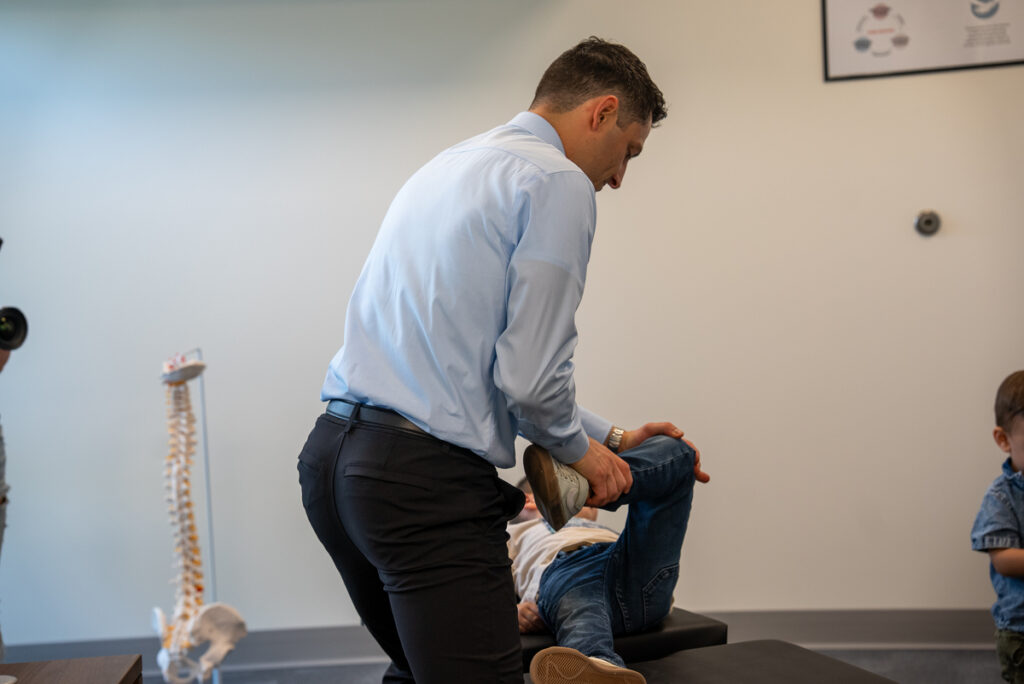

Maintaining proper spinal alignment is essential for your overall health and well-being. When your spine is aligned correctly, it can significantly reduce pain and improve how your body functions. It all begins with understanding the basics of good posture and recognizing how it impacts your daily life. So, what specific strategies can you incorporate into your routine for lasting results and better spinal health?
As a local chiropractor, I want to share some trusted methods that can help you achieve optimal health through natural healing and wellness. Here are some simple tips you can easily integrate into your daily life:
- Practice Good Posture: Whether you’re sitting at a desk, standing, or walking, maintaining good posture is key. Keep your shoulders back, and your head aligned over your spine to prevent unnecessary strain.
- Stay Active: Regular physical activity strengthens the muscles that support your spine. Engage in low-impact exercises like walking, swimming, or yoga, which can help keep your spine flexible and strong.
- Ergonomic Workspace: If you spend long hours at a desk, ensure your workspace is ergonomically designed. Adjust your chair height, use a supportive chair, and position your computer screen at eye level to reduce strain on your neck and back.
- Mind Your Sleep Position: The way you sleep can greatly affect your spinal alignment. Try to sleep on your back or side with a pillow that supports your neck’s natural curve. Avoid sleeping on your stomach, as it can strain your spine.
- Regular Chiropractic Care: Visiting a chiropractor regularly can help maintain your spinal health, alleviate pain, and enhance your overall wellness. Chiropractic adjustments can realign your spine, improve your nervous system function, and promote natural healing.
- Stay Hydrated: Drinking enough water is crucial for spinal health. Hydration helps keep the discs in your spine cushioned and healthy, which can reduce the risk of pain and injury.
- Listen to Your Body: Pay attention to how your body feels. If you experience discomfort, don’t ignore it. Consult with a chiropractor to understand the root cause and get tailored advice to address your specific needs.
By incorporating these simple strategies into your daily routine, you can take proactive steps towards better spinal alignment and overall health. Remember, chiropractic care is a powerful tool for achieving pain relief and enhancing your body’s natural ability to heal itself. Your spine deserves the best care, and with the right approach, you can enjoy a healthier, pain-free life!
Key Takeaways
- Regular chiropractic adjustments are essential for restoring and maintaining proper spinal alignment. They not only promote healing but also significantly reduce pain, helping you feel your best naturally.
- Good posture is key to spinal health. Make it a habit to keep your shoulders back, your spine straight, and your head aligned over your shoulders during daily activities, whether you’re working at a desk or doing household chores.
- Consider using ergonomic tools and furniture to support your spine. Look for chairs that provide lower back support and ensure your computer monitor is at eye level to minimize strain on your neck and back.
- Strengthening your core is vital for spinal support. Simple exercises like planks and bridges can make a big difference in reducing strain on your back and enhancing your overall stability.
- If you find yourself sitting for long periods, take frequent breaks to stretch and move around. This helps alleviate stiffness and promotes better spinal alignment, keeping you feeling limber and pain-free.
By incorporating these practices into your daily routine, you can enhance your spinal health and overall wellness. Remember, chiropractic care is a natural and effective way to achieve optimal health and well-being.
Understanding Spinal Alignment
Understanding spinal alignment is crucial for maintaining overall health, as it plays a significant role in your posture and mobility. When your spine is properly aligned, it supports your body’s weight evenly, reducing strain on your muscles and ligaments. Many people may not realize that poor alignment can lead to discomfort, stiffness, and even chronic pain. This is where chiropractic care comes into play—it focuses on restoring your spine’s natural alignment to promote healing and wellness.
To achieve ideal spinal alignment, it’s important to pay attention to your daily habits. Start by being mindful of your sitting and standing positions; aim to keep your head, shoulders, and hips aligned. Strengthening your core muscles can also provide the support your spine craves. Simple exercises, along with activities like yoga and Pilates, can enhance your flexibility and balance, which are key in maintaining healthy alignment.
Moreover, consider making ergonomic adjustments in your workspace. A well-adjusted chair and desk can significantly impact your spinal health. Small changes, like using a supportive chair or adjusting your computer screen to eye level, can make a world of difference.
The Importance of Good Posture
Good posture isn’t just about looking confident; it plays a crucial role in your overall health and well-being. By maintaining proper spinal alignment, you can alleviate discomfort, reduce the risk of injuries, and promote a healthier lifestyle. As a chiropractor, I can tell you that good posture is foundational to achieving optimal health and wellness.
Here are some practical tips to help you keep your posture in check and support your spine:
- Be Aware of Your Alignment: Regularly check in with your posture throughout the day. Whether you’re sitting at your desk, standing in line, or walking, ensure your shoulders are back, your spine is straight, and your head is aligned over your shoulders.
- Set Up Your Workspace: If you spend long hours at a desk, make sure your workstation is ergonomically friendly. Your chair should support your lower back, and your computer screen should be at eye level to prevent neck strain.
- Strengthen Your Core: A strong core supports your spine and helps maintain good posture. Incorporate exercises like planks, bridges, and gentle yoga stretches into your routine to strengthen your abdominal and back muscles.
- Take Breaks and Move: Prolonged sitting can lead to slouching. Make it a habit to stand up, stretch, and move around every 30 minutes. Simple stretches can relieve tension and reset your posture.
- Consider Chiropractic Care: Regular chiropractic adjustments can help align your spine, relieve pain, and improve your posture. A chiropractor can provide personalized treatment plans that promote natural healing and address any spinal misalignments.
- Practice Mindfulness: Being mindful of your body and posture can lead to long-term changes. Consider practicing mindfulness techniques to enhance your awareness of how you carry yourself throughout the day.
Health Benefits of Posture
Maintaining proper posture is crucial for enhancing your overall health and well-being, and as a chiropractor, I want to emphasize how it directly relates to spinal health and natural healing. Good posture not only aligns your spine but also can significantly boost your confidence.
When you stand tall and carry yourself well, it’s easier to feel energized and focused, which can lead to increased productivity in your daily life.
One of the key benefits of proper alignment is the reduction of strain on your muscles and joints. This means less discomfort and a lower risk of injury, which is essential for maintaining an active lifestyle.
Moreover, good posture promotes better breathing. When your spine is aligned, your lungs have more space to expand, allowing for optimal oxygen intake. This can benefit your brain and overall energy levels, helping you feel more alert and ready to take on the day.
Did you know that your posture can even affect digestion? When you maintain good posture, your organs can function more efficiently, which can improve digestion and overall health.
Here are some simple tips to help you maintain good posture throughout your day:
- Be Mindful: Pay attention to how you’re sitting or standing. Set reminders to check in on your posture.
- Strengthen Your Core: Engage in exercises that strengthen your core muscles. A strong core supports your spine and helps maintain good posture.
- Ergonomic Setup: If you work at a desk, ensure your workspace is ergonomically friendly. Your monitor should be at eye level, and your chair should support your lower back.
- Take Breaks: If you sit for long periods, take regular breaks to stretch and move around. This can prevent stiffness and promote better posture.
- Chiropractic Care: Regular visits to a chiropractor can help ensure your spine is properly aligned. This not only aids in pain relief but also promotes overall wellness.
Tips for Maintaining Alignment
To maintain a healthy spine and improve your posture, it’s essential to adopt a few straightforward habits in your daily life. First, pay attention to how you sit. Choose a chair that supports your lower back, and make sure your feet are flat on the ground. When you stand, try to distribute your weight evenly on both feet and engage your core muscles to support your spine.
If you’re sitting for extended periods, be sure to take regular breaks—stand up, stretch, and walk around every hour to keep your body moving and reduce stiffness. Additionally, when lifting objects, always bend at your knees and keep the item close to your body to avoid unnecessary strain on your back.
Consider incorporating ergonomic tools into your workspace, such as supportive pillows or a standing desk, to encourage better posture throughout your day. These small changes can significantly impact your spinal health.
Exercises to Strengthen Your Core
Strengthening your core is a vital part of maintaining proper spinal alignment and overall health. A strong core not only supports your spine but also reduces strain and enhances stability, which is crucial for preventing pain and injuries. One of the best ways to achieve this is through exercises that can be easily incorporated into your routine.
Let’s start with planks. This exercise engages multiple muscle groups and promotes balance. Aim to hold a plank for 30 seconds to a minute, gradually increasing your time as your strength improves. Remember, a strong core can significantly improve your overall well-being and is a key component of chiropractic care.
Next, consider adding bridges to your routine. To perform this exercise, lie on your back with your knees bent and feet flat on the floor. Lift your hips so that your body forms a straight line from your shoulders to your knees. Hold this position for a few seconds before lowering. Bridges are excellent for strengthening the lower back, which is essential for healthy spinal alignment.
Don’t overlook the bird-dog exercise, either. Start on all fours and extend one arm and the opposite leg while keeping your back straight. Hold for a moment, then switch sides. This movement not only strengthens your core but also helps improve coordination and balance, which are vital for spinal health.
Lastly, seated twists are a fantastic way to engage your obliques. Sit comfortably with your legs crossed and gently twist your torso to each side. This exercise helps maintain flexibility in your spine and can also alleviate tension in your back.
Incorporating these exercises into your daily routine can lead to a stronger core, which in turn supports better spinal alignment and enhances overall health. Remember, regular chiropractic care can further help you achieve optimal health, support your exercise routine, and keep your spine in alignment. Always listen to your body, and consult with your chiropractor to ensure you’re on the right path to wellness.
Ergonomic Adjustments for Your Workspace
Creating an ergonomic workspace is crucial for maintaining spinal health and ensuring your comfort during those long hours of sitting. As a chiropractor, I want to share some practical tips to help you set up your workspace in a way that promotes natural healing and overall well-being.
Start by adjusting your chair so your feet rest flat on the floor, with your knees forming a 90-degree angle. This simple adjustment helps relieve pressure on your spine. Your chair’s backrest should also provide support to your lower back, encouraging proper spinal alignment, which is vital for preventing discomfort and pain.
Next, position your computer monitor at eye level to avoid straining your neck. Ideally, your screen should be about an arm’s length away. This setup can help reduce the risk of neck pain, which is often linked to poor posture while working.
When it comes to your keyboard and mouse, choose ones that allow your wrists to stay straight and your elbows close to your body. This alignment can minimize strain on your arms and wrists, further supporting your spinal health.
Consider using a standing desk or alternating between sitting and standing throughout the day. This can alleviate prolonged pressure on your spine and promote better circulation. Remember to maintain good posture—keep your shoulders relaxed and your back straight, as this alignment is key in preventing discomfort and promoting spinal health.
Lastly, keep frequently used items within easy reach to minimize unnecessary twisting and stretching. Making these simple adjustments can make a significant difference in your comfort level while working and support your journey towards natural wellness.
Chiropractic care is an excellent option for addressing any pain or discomfort you may experience due to poor ergonomic setups. By focusing on spinal health and alignment, chiropractic adjustments can provide effective relief and help you achieve optimal health. Embrace these ergonomic tips, and consider visiting your chiropractor for personalized advice tailored to your unique needs. Your spine will thank you!
Stretching Techniques for Flexibility
Incorporating stretching techniques into your daily routine can significantly enhance your flexibility and promote a healthy spine, which is essential for overall wellness. As a chiropractor, I often emphasize the importance of maintaining a flexible spine to prevent pain and support your body’s natural alignment.
Begin your routine with gentle neck stretches; tilt your head side to side, holding each position for 15 seconds. This simple movement helps relieve tension and improve range of motion in your neck, which is crucial for spinal health.
Next, try shoulder rolls to ease tightness in your upper back. Roll your shoulders forward and backward in a smooth motion, which can help promote better posture and reduce discomfort.
Don’t forget about your back—perform a seated forward bend by reaching for your toes while sitting. This stretch targets the lower back and hamstrings, allowing for greater flexibility and relief from stiffness.
To enhance hip flexibility, practice the butterfly stretch. Sit with the soles of your feet together and gently press your knees towards the ground. This not only helps with hip mobility but also supports your overall spinal alignment.
Lastly, finish your routine with a gentle spinal twist. While seated, place one hand behind you and the other on your opposite knee, twisting gently. This stretch can help to release tension in your spine and improve your overall spinal health.
These simple yet effective stretches can keep your spine aligned and flexible, promoting better posture and overall well-being. Remember to breathe deeply during each stretch to maximize your benefit.
When to Seek Professional Help
If you’re dealing with persistent pain that just won’t subside, it may be a signal to reach out for professional help. Limited mobility often indicates that there could be an issue with your spine. Rather than waiting for your symptoms to escalate, consider seeking chiropractic care early on; this proactive approach can significantly enhance your recovery journey.
Chiropractic care focuses on naturally restoring your body’s balance and promoting healing through spinal adjustments and holistic wellness practices. By addressing the root causes of your discomfort, chiropractors can help alleviate pain effectively without the need for medications or invasive procedures.
Here are some general tips to keep in mind for maintaining a healthy spine:
- Stay Active: Engage in regular physical activity to strengthen your muscles and support your spine. Activities like walking, swimming, or yoga can be beneficial.
- Practice Good Posture: Being mindful of your posture, whether sitting or standing, can reduce strain on your spine. Ensure that your workstation is ergonomically friendly.
- Stretch Daily: Incorporate gentle stretches into your daily routine to keep your muscles flexible and alleviate tension.
- Stay Hydrated: Drinking adequate water is essential for maintaining healthy spinal discs and overall well-being.
- Listen to Your Body: If you notice any signs of discomfort or limited mobility, don’t hesitate to consult with a chiropractor. Early intervention can lead to better outcomes.
Severe Pain Persistence
While mild discomfort can often be managed with home remedies, severe pain that persists is a signal from your body that deserves immediate attention. If you find yourself struggling to perform daily activities due to pain, it’s crucial to reach out to a chiropractor. Ignoring ongoing discomfort can lead to more significant issues down the line, and chiropractic care is a natural, effective way to address these problems.
Be mindful of any accompanying symptoms such as numbness, tingling, or weakness in your limbs—these could indicate issues with your spine or nerves that require urgent chiropractic evaluation. Your chiropractor can assess your condition and develop a personalized treatment plan that focuses on natural healing and restoring your body’s balance.
In the meantime, there are some simple tips you can incorporate into your daily routine to help manage pain and support your overall well-being:
- Stay Active: Gentle movements, such as walking or stretching, can help keep your body limber and reduce stiffness.
- Practice Good Posture: Be mindful of your posture while sitting, standing, or lifting objects. Proper alignment can alleviate strain on your spine.
- Apply Heat or Cold: Using a heating pad or ice pack can provide temporary relief from pain and reduce inflammation.
- Stay Hydrated: Drinking plenty of water supports your body’s natural healing processes and helps maintain spinal health.
- Consider Regular Chiropractic Visits: Regular adjustments can help ensure your spine is aligned and functioning optimally, promoting overall health and wellness.
Limited Mobility Concerns
Experiencing limited mobility can be frustrating and may suggest that something isn’t quite right with your spine and overall health. If you’re having trouble with daily activities—like bending, lifting, or even walking—it’s important to pay attention to these signals. Consulting a chiropractor can be a great first step towards understanding and addressing these issues naturally.
Look out for additional symptoms such as numbness, tingling, or weakness in your arms or legs. These sensations may indicate that your nerves are being affected, possibly due to spinal misalignments. A chiropractor can assess your condition, provide gentle adjustments, and recommend natural treatments tailored to your needs.
Remember, seeking help sooner rather than later can significantly improve your quality of life and help restore your mobility. Here are some general tips to support your well-being and spinal health:
- Stay Active: Gentle exercises, like walking or stretching, can help maintain your mobility. Always consult with your chiropractor for exercises that are safe for you.
- Posture Matters: Be mindful of your posture, whether you’re sitting, standing, or even sleeping. Good posture helps support your spine and can prevent discomfort.
- Ergonomics: Make sure your workspace is set up to promote good spinal health. Use chairs that support your back and take regular breaks to move around.
- Hydration: Drink plenty of water. Staying hydrated supports the discs in your spine and overall health.
- Mindfulness and Relaxation: Stress can affect your body and spine. Practices like deep breathing, meditation, or yoga can help reduce tension.
Your health should always be your top priority. By choosing chiropractic care, you’re taking a proactive step toward natural pain relief and better overall wellness. Don’t hesitate to reach out to a chiropractor to explore how they can help you achieve optimal health and mobility.
Conclusion
Incorporating trusted techniques into your daily routine can significantly enhance your spinal alignment and overall well-being, and chiropractic care is a key part of that journey. By prioritizing good posture, strengthening your core, and making ergonomic adjustments to your workspace, you can reduce strain on your spine and improve your mobility.
Remember to include stretching in your routine to maintain flexibility, and always pay attention to what your body is telling you. If you experience persistent discomfort, visiting your chiropractor can offer you targeted relief and personalized care designed to support your unique needs.
Chiropractic adjustments are a natural and effective way to promote spinal health, allowing your body to heal and function at its best without the need for medications or surgeries. With consistent effort and the guidance of your chiropractor, you can achieve a healthy spine and enjoy a life free from pain. Make your health a priority, and embrace the benefits of chiropractic care for lasting wellness.