
If you spend hours at a desk, you may have noticed the toll it can take on your posture. Poor posture can lead to discomfort and pain in your neck, back, and shoulders, which can affect your overall well-being. Fortunately, there are simple adjustments you can make to your workspace that can have a significant positive impact on your health. By focusing on creating an ergonomic environment and incorporating more movement into your day, you can alleviate strain and promote better spinal health.
Here are some specific changes to consider that can help transform your workspace:
- Adjust Your Chair: Make sure your chair supports your lower back. An ergonomic chair that encourages proper spinal alignment can help reduce discomfort. Adjust the height so your feet rest flat on the ground.
- Monitor Position: Your computer screen should be at eye level to prevent straining your neck. Use a monitor stand if needed. Keeping your screen at the right height can help maintain a neutral spine position.
- Keyboard and Mouse Placement: Position your keyboard and mouse so that your elbows are at a 90-degree angle. This helps reduce strain on your shoulders and wrists. Consider using a wrist rest for added support.
- Take Breaks: Incorporate movement into your day by taking regular breaks. Stand up, stretch, and walk around for a few minutes every hour. This helps keep your spinal discs healthy and can prevent stiffness.
- Stay Hydrated: Drinking plenty of water not only keeps you hydrated but also encourages you to get up and refill your glass more often, promoting movement throughout your day.
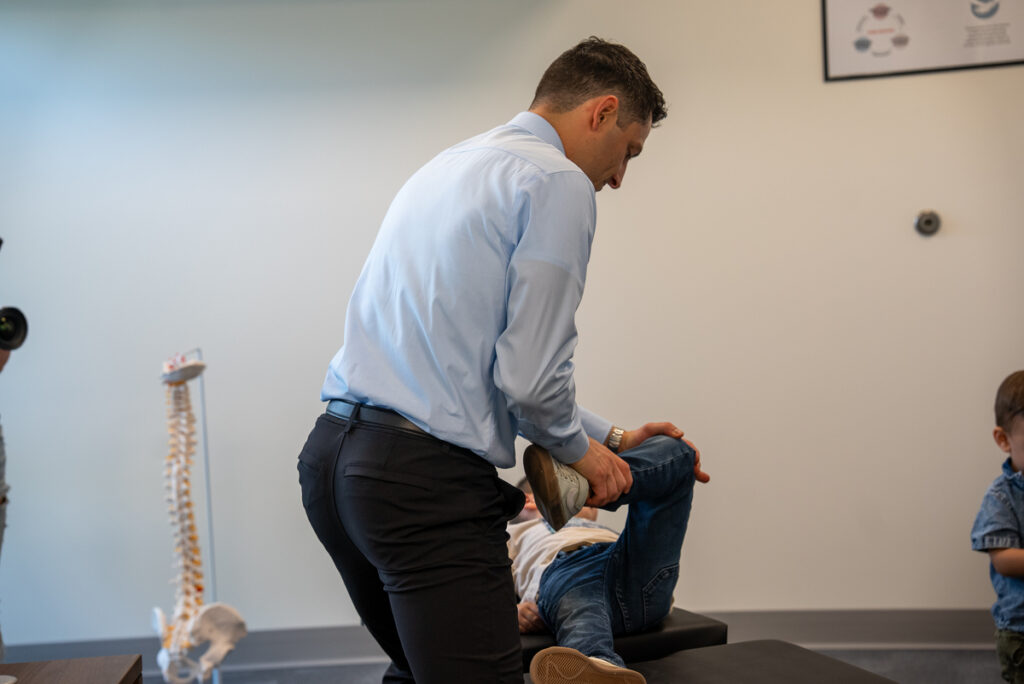
- Consider Chiropractic Care: Regular visits to your chiropractor can help address any existing pain and improve your posture. Chiropractic adjustments can relieve tension in your spine and enhance your overall health, allowing you to feel your best while working at your desk.
By making these simple changes to your workspace and incorporating chiropractic care into your routine, you can promote better posture, reduce discomfort, and enhance your overall health and wellness. Remember, your spine is the foundation of your body’s health, so taking care of it is vital for a productive and pain-free work life.
Key Takeaways
- Adjust your desk height so your elbows can sit comfortably at a 90-degree angle while typing. This helps keep your wrists aligned, reducing strain and discomfort that can lead to pain. Remember, proper ergonomics is key to maintaining a healthy spine!
- Position your computer monitor at eye level, around an arm’s length away. This will help you avoid slouching and straining your neck. A well-placed monitor can make a significant difference in your posture and overall comfort throughout the day.
- Make it a habit to take short breaks every 30 minutes. Stand up, stretch, and walk around for a few minutes. This simple practice promotes better circulation and helps alleviate tension. Your body will thank you for it!
- Incorporate core-strengthening exercises like planks and bridges into your routine. Strong core muscles support your spine and improve posture, which is essential for long hours of desk work. These exercises can be easily done at home and require no special equipment.
- If you’re experiencing chronic pain, numbness, or find it challenging to correct your posture despite your best efforts, consider seeking the guidance of a chiropractor. Chiropractic care is a natural and effective way to address these issues, helping you achieve optimal health and wellness without the need for surgery or medications. Your spine deserves the best care!
Understanding the Importance of Good Posture
When you spend hours at a desk, understanding the importance of good posture isn’t just a luxury; it’s essential for your overall well-being. As a chiropractor, I want to emphasize how maintaining proper posture can prevent a variety of issues, including chronic back pain and tension headaches. Slouching or hunching over places unnecessary stress on your spine and muscles, leading to discomfort over time. By practicing good posture, you can alleviate this strain and promote better spinal health.
Good posture does more than just support your spine; it enhances circulation and oxygen flow throughout your body. This can lead to increased focus and productivity, allowing you to tackle your tasks with greater efficiency. You might be surprised to learn that your posture can also influence your mood and energy levels. Sitting up straight not only boosts your confidence but also helps you feel more alert and engaged in your work. Additionally, maintaining proper posture can help you avoid fatigue during those long hours at your desk.
Here are a few simple tips to help you improve your posture while working:
- Adjust Your Chair: Make sure your chair supports your lower back. Keep your feet flat on the floor and your knees at a 90-degree angle.
- Screen Height: Position your computer screen at eye level to avoid leaning forward or looking down, which can strain your neck and back.
- Take Regular Breaks: Stand up, stretch, and walk around every 30 minutes. This will help relieve tension and keep your muscles engaged.
- Mind Your Head: Keep your head aligned with your spine. Imagine a string gently pulling the top of your head toward the ceiling as you sit.
- Practice Breathing: Deep, diaphragmatic breathing can help relax your muscles and improve your posture.
By incorporating these tips into your daily routine, you can make a significant difference in your posture and overall health. Remember, chiropractic care is an excellent way to achieve and maintain optimal spinal health. Regular adjustments can help align your spine, reduce discomfort, and support your journey toward natural wellness.
Setting Up Your Workspace Ergonomically
A well-organized workspace can greatly enhance your comfort and productivity, while also supporting your spinal health. As a chiropractor, I want to help you set up your workspace in a way that promotes natural healing and prevents discomfort. Start by adjusting your desk height so that your elbows rest comfortably at 90 degrees—this helps maintain proper posture and reduces strain on your back. Position your monitor at eye level to avoid neck strain; it should be about an arm’s length away. Keeping frequently used items within easy reach will prevent you from overextending yourself, which can lead to unnecessary tension in your spine.
Here’s a quick checklist to help you set up your workspace ergonomically for optimal spinal health:
| Task | Recommendation |
|---|---|
| Desk Height | Elbows at 90 degrees |
| Monitor Position | Eye level, arm’s length away |
| Chair Height | Feet flat on the floor |
| Keyboard Placement | Close to the edge of the desk |
| Lighting | Natural light preferred |
Choosing the Right Chair for Optimal Support
Choosing the right chair is crucial for maintaining comfort and supporting your spinal health, especially during those long hours spent at a desk. As a chiropractor, I can’t stress enough how important it’s to select a chair that promotes good posture and aligns with your body’s natural curves.
First, look for a chair with adjustable features, such as seat height, backrest angle, and armrests. This customization allows you to tailor the chair to your unique body shape, helping to alleviate strain on your spine. A chair with proper lumbar support is essential; it should fit snugly against the natural curve of your lower back to prevent slouching, which can lead to discomfort and pain over time.
Materials matter too. Opt for breathable fabric or mesh, which can keep you cool during long workdays, while a cushioned seat adds an extra layer of comfort. Stability is also key; choose a chair with a five-point base for better balance and to help prevent tipping, which can lead to falls and injuries.
Before making a decision, take the time to test different chairs. Sit in them, adjust the settings, and ensure they feel right for you. Remember, investing in a supportive chair now can help promote better posture, reduce strain on your spine, and ultimately boost your productivity.
Additionally, consider incorporating regular chiropractic care into your routine. It complements your efforts to maintain a healthy spine and can assist in relieving pain, enhancing your overall well-being.
The Role of Desk Height in Posture
The height of your desk plays a crucial role in maintaining good posture, especially during those long hours of work. When your desk is either too high or too low, it can lead to unnecessary strain on your neck and back, often without you even realizing it. This is where chiropractic care can be particularly beneficial.
By addressing these posture-related issues, a chiropractor can help you achieve optimal spinal health and reduce discomfort.
To improve your workspace and support your well-being, consider these tips for finding the ideal desk height:
- Elbow Position: When sitting at your desk, your elbows should be at a comfortable 90-degree angle, allowing your wrists to remain straight. If your desk is too high or too low, it may be time to adjust it or invest in an ergonomic chair.
- Monitor Height: Your computer monitor should be at eye level. This helps prevent straining your neck, which is a common issue for many desk workers. If your monitor is too low, consider using a stand or adjusting your seating position.
- Take Breaks: Regularly standing up, stretching, and moving around can help alleviate tension and improve circulation. Incorporating short breaks into your work routine can make a significant difference in how you feel throughout the day.
- Seek Chiropractic Care: If you’re experiencing discomfort or pain due to poor posture, consulting with a chiropractor can provide you with personalized treatment options and exercises to relieve tension and enhance your overall health.
Ideal Desk Height
Finding the ideal desk height is crucial not only for your workspace comfort but also for your overall spinal health. As a chiropractor, I can’t stress enough how much the right desk setup can positively impact your posture. When your desk is at the appropriate height, it allows your elbows to bend at a 90-degree angle, which helps keep your wrists straight while typing. This alignment is essential to avoid unnecessary strain on your shoulders and to prevent slouching, which can lead to chronic pain.
To ensure your desk height is correct, sit comfortably and check if the desk surface is aligned with your forearms. If your feet aren’t resting flat on the floor, using a footrest can help maintain stability and promote better posture. Additionally, make sure your monitor is at eye level to prevent craning your neck, which can lead to discomfort over time.
Remember, the goal isn’t just comfort; it’s about fostering long-term health and wellness. Regularly adjusting your workspace to fit your body can significantly enhance your overall well-being, especially during long hours at your desk.
Incorporating these adjustments can help you avoid pain and discomfort, but if you do find yourself suffering from back pain or discomfort, chiropractic care is an excellent option for natural relief. Chiropractors focus on aligning your spine and improving your overall function, which can lead to lasting wellness. Embrace these desk adjustments along with regular chiropractic visits to support your health in a holistic way. Your body will thank you!
Adjusting for Comfort
When it comes to creating a comfortable workspace, the height of your desk is crucial for maintaining good posture and overall spinal health. An improperly sized desk can lead to slouching and strain on your neck and back, which can contribute to discomfort and pain. Ideally, when you’re typing, your elbows should form a 90-degree angle, and your wrists should remain straight to support healthy alignment.
Here’s a simple guide to help you find the right desk height based on your height:
| Height Range (ft) | Recommended Desk Height (in) |
|---|---|
| 4’10” – 5’2″ | 24 – 28 |
| 5’3″ – 5’7″ | 28 – 30 |
| 5’8″ – 6’0″ | 30 – 32 |
| 6’1″ – 6’4″ | 32 – 34 |
| 6’5″ and above | 34 – 36 |
Adjusting your desk to the appropriate height can significantly improve your comfort and posture, which is vital for spinal health. Remember, a well-aligned spine is key to overall wellness, and chiropractic care can further help you maintain that alignment.
In addition to adjusting your desk, consider taking regular breaks to stand up, stretch, and move your body. This can help alleviate tension and promote better circulation. Remember, your body deserves to be treated with care, and small changes in your workspace can make a big difference in your comfort and health. If you experience persistent discomfort, consider visiting a chiropractor to explore natural ways to support your well-being.
Incorporating Movement Into Your Workday
Incorporating movement into your workday is essential for maintaining optimal health and wellness, especially when it comes to supporting your spine. As a chiropractor, I want to emphasize how regular movement can enhance your energy levels and productivity while helping to alleviate discomfort and tension in your body.
Start by setting a timer to remind yourself to stand up every hour. A simple walk to the break room or a few laps around your office can work wonders for both your mind and body. If it’s feasible, consider using a standing desk or a convertible desk, which allows you to alternate between sitting and standing. This change can alleviate stress on your spine and encourage better posture throughout your day.
Another effective method is to hold walking meetings. Discussing projects while strolling outside or around the office not only promotes movement but also revitalizes your thought process. For phone calls, try standing or pacing; this keeps your blood flowing and can help you feel more engaged.
Don’t forget the importance of gentle stretches during breaks. Incorporating a few minutes of simple stretches can break up long periods of sitting and significantly reduce strain on your spine. Remember, keeping active doesn’t have to be complicated.
Small changes in your daily routine can lead to a substantial improvement in how you feel and function.
In addition to these tips, regular chiropractic care can play a crucial role in maintaining your spinal health. By addressing misalignments and tension in your body, chiropractic adjustments can enhance your overall wellbeing and help you achieve a pain-free lifestyle. Prioritizing movement along with chiropractic care is a natural approach to achieving optimal health and wellness.
Stretching Exercises to Relieve Tension
Incorporating stretching exercises into your daily routine can significantly relieve tension and enhance your overall comfort, especially if you’re spending long hours at a desk. Simple stretches not only promote better blood flow but also counteract the stiffness that can arise from prolonged sitting.
Start with neck rolls to alleviate strain; gently tilt your head from side to side, holding each position for a few seconds. This helps to release tension and improve mobility in the cervical spine.
Next, shoulder shrugs are a great way to loosen up tight muscles—lift your shoulders towards your ears, hold for a moment, and then relax. This simple movement can alleviate tension that builds up in the upper back and neck.
For your back, try a seated twist: place one hand on the back of your chair and gently rotate your torso. This stretch not only helps with spinal mobility but also engages the muscles that support your spine.
Stand up and reach for the sky by extending your arms overhead, taking deep breaths. This not only stretches your spine but also invigorates your entire body.
Don’t overlook your wrists and fingers, as they can bear the stress from typing. Stretching these areas can greatly reduce discomfort and improve function.
Aim to take a break and stretch every hour, even if just for a few minutes. Regular stretching can help you feel more relaxed and ready to tackle your tasks with renewed energy.
Remember, while stretching is beneficial, consistent chiropractic care is your best ally for achieving optimal health and pain relief. Chiropractors focus on aligning the spine and ensuring your body functions at its best, which enhances your overall wellness.
Strengthening Your Core for Better Stability
Strengthening your core is vital for better stability and overall health, particularly if you find yourself sitting for long hours at a desk. A strong core not only supports your spine but also helps you maintain good posture, which can significantly reduce the risk of discomfort and injury. While many people think they need fancy equipment to build core strength, the truth is that simple exercises can yield impressive results.
One of the best exercises to begin with is the plank. To perform a plank, hold a straight position on your elbows and toes for about 20-30 seconds. This exercise engages multiple muscle groups and is excellent for spinal support. Side planks are also beneficial, as they specifically target your obliques, helping to stabilize your torso.
Another great exercise is the bridge. Lie on your back with your knees bent, then lift your hips off the ground while squeezing your glutes. This movement not only strengthens your core but also promotes healthy spinal alignment.
Don’t overlook the power of seated exercises, especially if you’re working at a desk. Try seated leg lifts or torso twists to engage your core while you work. Incorporating a few minutes of core workouts into your routine a few times a week can lead to remarkable improvements in stability and energy levels.
As a chiropractor, I often see how strengthening the core can lead to better posture and less discomfort. Remember, chiropractic care plays a crucial role in optimizing your health and wellness. Regular chiropractic adjustments can help enhance your body’s natural healing capabilities, ensuring that your spine is aligned and functioning at its best.
Mindfulness Techniques to Maintain Awareness
While navigating the demands of a desk job, practicing mindfulness isn’t just beneficial for your mental clarity, but it can also support your spinal health and overall well-being. Taking a few minutes each hour to check in with yourself can significantly enhance your awareness and help you stay grounded. Close your eyes, take deep breaths, and focus on your body—pay special attention to areas of tension, particularly in your neck and shoulders, which are common stress points that can lead to discomfort.
Incorporate small mindfulness practices throughout your day to promote relaxation and well-being. When you enjoy your coffee or tea, take a moment to truly savor the taste and warmth. This simple act can help you reconnect with the present moment and release built-up tension.
Another helpful technique is to use a timer app to remind yourself to pause and stretch. During these breaks, pay attention to how your body feels in your chair. Shift your weight and adjust your posture as needed to relieve strain on your spine. Remember, maintaining good posture not only supports your spinal health but also helps alleviate discomfort.
Consider integrating chiropractic care into your routine as a natural solution for pain relief and overall wellness. Regular chiropractic adjustments can help correct misalignments, improve your posture, and enhance your body’s ability to heal itself. By prioritizing your spinal health, you can reduce tension, improve your mobility, and foster a greater sense of well-being. Always remember, taking care of your spine is a crucial step towards achieving optimal health.
When to Seek Professional Help for Posture Issues
If you’re experiencing ongoing discomfort or pain despite your best efforts to maintain good posture, it might be time to consider seeking professional help. Ignoring these signs can lead to more significant problems down the road. Here are some key indicators that it’s wise to consult a chiropractor:
- Chronic Pain: If you’re dealing with persistent pain in your back, neck, or shoulders that doesn’t seem to improve with home remedies, a chiropractor can help identify the root cause and provide pain relief through natural methods.
- Numbness or Tingling: Feeling numbness or tingling in your arms or legs may suggest nerve compression. A chiropractor can assess your spinal alignment and help relieve pressure on nerves, promoting better function.
- Limited Mobility: Struggling to perform everyday tasks or noticing a restricted range of motion can indicate underlying issues. A chiropractor can assist in improving your mobility through targeted adjustments and exercises.
- Poor Posture: If you find it difficult to correct your posture even with consistent effort, it may be time to enlist the help of a chiropractic specialist. They can provide personalized guidance and techniques to help you achieve and maintain good posture.
Chiropractic care offers a natural approach to diagnosing and treating the underlying issues affecting your spine and overall health. By prioritizing your well-being and seeking help, you can work towards a pain-free and healthier lifestyle.
Conclusion
Incorporating these posture fixes into your daily routine can significantly enhance how you feel at work. Start by ensuring your workspace is set up ergonomically; your chair should support your lower back, and your computer screen should be at eye level to prevent strain. Remember to take regular breaks—stand up, stretch, and move around every hour to keep your body engaged and reduce discomfort.
Practicing simple stretches can relieve tension in your muscles, while strengthening your core will provide stability and support for your spine. It’s essential to stay mindful of your posture throughout the day; keeping your shoulders back and your head aligned with your spine can help maintain proper alignment.
As a chiropractor, I encourage you to prioritize your spinal health. If you’re experiencing persistent pain or numbness, it’s crucial to seek chiropractic care. A chiropractor can help identify the root of your discomfort and provide natural, drug-free solutions for pain relief and wellness. Remember, taking care of your spine is taking care of your overall health. Simple lifestyle changes, along with regular chiropractic adjustments, can lead to a healthier, more comfortable you.