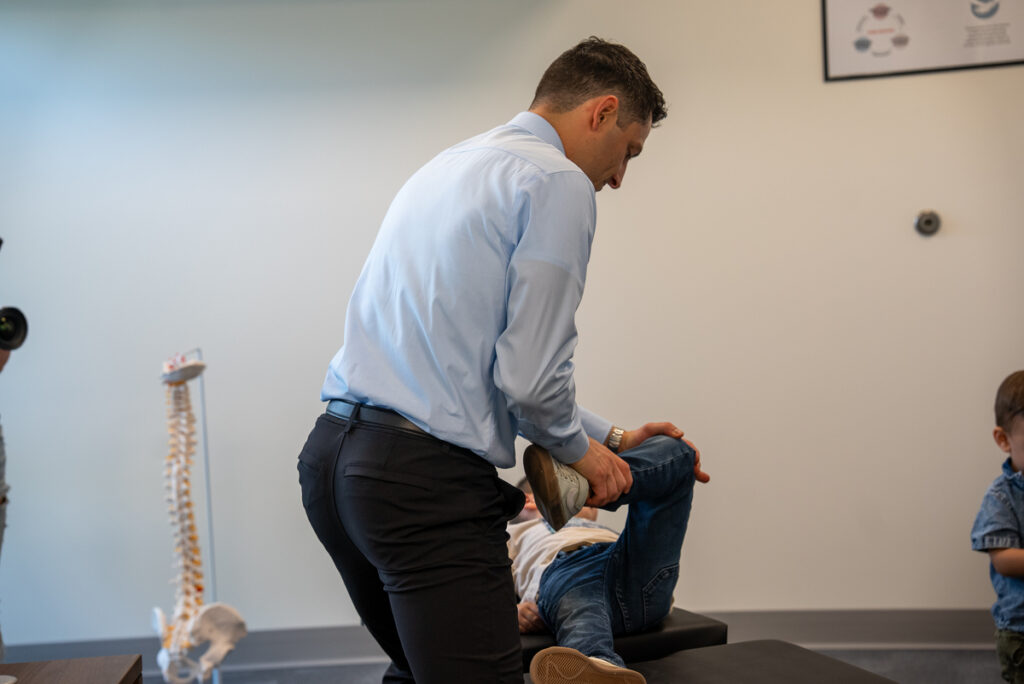

You might not realize just how profoundly your posture impacts your overall health. Poor alignment can lead to discomfort, fatigue, and even mood swings. Fortunately, you can take simple steps to improve your posture and enhance your well-being. Understanding the importance of spinal alignment and making small adjustments in your daily routine can lead to significant changes in how you feel.
As a chiropractor, I want to emphasize that proper posture is essential for a healthy spine, and maintaining it can help prevent pain and promote natural healing. Here are some essential tips and techniques to help you start this transformation towards better posture:
- Be Mindful of Your Sitting Position: If you spend long hours at a desk, make sure your chair supports your lower back. Keep your feet flat on the ground and your knees at a right angle. Remember to take regular breaks to stand and stretch.
- Stand Tall: When standing, distribute your weight evenly on both feet and avoid locking your knees. Imagine a string gently pulling you up from the top of your head, aligning your spine.
- Strengthen Your Core: A strong core is crucial for good posture. Incorporate exercises like planks and bridges into your routine to help support your spine.
- Use Ergonomic Tools: Consider using ergonomic furniture or accessories, such as a lumbar support pillow or an adjustable chair, to encourage better posture in your daily activities.
- Regular Chiropractic Adjustments: Visiting your chiropractor regularly can help keep your spine in alignment and address any issues before they become major problems. Chiropractic care is a natural and effective way to maintain optimal health.
By focusing on these strategies, you can create a healthier living environment for yourself. Remember, good posture isn’t just about looking confident; it’s about feeling your best and supporting your body’s natural ability to heal. Let’s work together towards a healthier, pain-free life!
Key Takeaways
- To maintain proper alignment and reduce strain, sit with back support and keep your feet flat on the ground. When standing, remember to stand tall with your shoulders back; this simple adjustment enhances circulation and overall comfort.
- Regular stretches and core-strengthening exercises, like planks and chest openers, can significantly improve your flexibility and support your posture. These activities not only help your spine but also contribute to a healthier, pain-free lifestyle.
- Pay attention to your workspace ergonomics. Position your computer screens at eye level, use lumbar support for your lower back, and choose a desk height that promotes natural spine alignment. This will help prevent discomfort and encourage better posture throughout the day.
- Be mindful of your posture as you go about your daily routine. Setting reminders and placing visual cues in your workspace can encourage you to develop good habits. Small changes can make a big difference in how you feel!
- Consider visiting a chiropractor to address any spinal misalignments. Chiropractic care is a natural way to relieve pain and support your body’s healing process. Additionally, staying hydrated is important for overall wellness and can help reduce muscle tension. Remember, your spine is the foundation of your health; taking care of it is essential for a vibrant life!
Understanding Posture and Its Importance
When you think about your health, posture mightn’t be the first thing that comes to mind, but it plays an essential role in your overall well-being. As a chiropractor, I want to emphasize that good posture is crucial for aligning your spine, which reduces strain on your muscles and ligaments. When your spine is properly aligned, your body can function more efficiently, enhancing circulation and digestion while reducing fatigue.
You may not realize it, but your posture can even affect your mood and confidence levels. Standing tall not only boosts your self-esteem but also makes you feel more assertive and engaged. On the other hand, slouching can lead to feelings of lethargy and insecurity.
Here are some simple tips to improve your posture and support your spine:
- Mind Your Sitting Position: Whether you’re at a desk or on the couch, make sure your back is supported, and your feet are flat on the ground. This helps distribute your weight evenly and reduces strain.
- Stand Tall: When standing, try to keep your shoulders back and your head aligned over your spine. Imagine a string pulling you up from the top of your head to encourage a tall and confident stance.
- Take Breaks: If you sit for long periods, take short breaks to stretch and move around. This helps relieve tension and keeps your muscles engaged.
- Strengthen Your Core: A strong core supports your spine, so incorporate exercises like planks or gentle yoga into your routine to help build that strength.
- Be Mindful of Your Movements: Whether you’re lifting something or simply bending down, use your legs to do the work rather than bending at your back to prevent strain.
By incorporating these posture awareness practices into your daily routine, you can enhance not only your physical health but also your mental well-being. Remember, chiropractic care is an excellent option for supporting your posture and achieving natural wellness. A chiropractor can help you address any spinal misalignments and provide personalized strategies for maintaining optimal posture.
Common Causes of Poor Posture
Good posture is essential for overall health and well-being, but it can be easily compromised by everyday habits that many of us overlook. As a chiropractor, I want to highlight some common culprits that can lead to poor posture and how you can address them naturally for better spinal health.
One of the main issues we see is prolonged time spent hunched over devices like computers and smartphones. This can result in muscle imbalances that lead to slumping in your chair, putting extra stress on your spine. To counteract this, try to take regular breaks; stand up, stretch, and adjust your seating position to promote a more upright posture.
Carrying heavy bags or backpacks can also create uneven tension in your muscles, contributing to poor posture. I recommend using a backpack with two straps to evenly distribute weight across your back. This can help reduce strain and keep your spine aligned.
Another factor to consider is exercise. If you’re not engaging in activities that strengthen your core and back muscles, they can weaken over time. Incorporate simple exercises like planks or bridges into your routine to support your spine. Regular chiropractic adjustments can also help realign your spine and ensure your muscles are functioning optimally.
Don’t underestimate the impact of your footwear, either. Wearing unsupportive shoes can affect your alignment and posture. Opt for shoes that provide proper support to keep your body balanced and aligned.
Lastly, stress can lead to tension in your shoulders and neck, negatively affecting your posture. Practice relaxation techniques such as deep breathing or yoga to help release this tension.
Signs and Symptoms of Bad Posture
Poor posture can lead to a variety of signs and symptoms that may go unnoticed until they become more severe. As a chiropractor, I want to emphasize how important it’s to recognize these early warning signs to maintain your overall health and well-being.
If you find yourself experiencing consistent discomfort or pain in your neck, shoulders, or back, this could be a sign of poor posture. These aches can escalate over time, potentially leading to chronic pain if not addressed. It’s crucial to understand that your body is working harder to maintain balance and support your weight, which can lead to increased fatigue.
Tension headaches are another common symptom associated with poor alignment. They often arise from muscle strain, which can be effectively managed through chiropractic care. If you notice difficulty concentrating or feel more irritable, these issues can also be linked to your posture, as it impacts your overall energy levels.
You may also observe changes in your gait or balance, making activities like walking or standing feel more challenging. By being aware of these symptoms early on, you can take proactive steps to improve your posture and prevent further complications.
Here are some general tips to help you maintain better posture:
- Be Mindful of Your Posture: Regularly check in with your body throughout the day. Make adjustments to your seating and standing positions as needed.
- Strengthen Your Core: Engaging in exercises that strengthen your abdominal and back muscles can provide better support for your spine.
- Take Breaks: If you sit for long periods, make sure to stand up, stretch, and move around every hour to relieve tension.
- Ergonomic Workspace: Adjust your workstation so that your computer screen is at eye level and your chair supports your lower back.
- Chiropractic Care: Regular visits to a chiropractor can help you maintain proper alignment and address any issues before they become serious.
The Impact of Posture on Health
Your posture plays a crucial role in your overall physical health, and poor posture can lead to a variety of issues, including back pain and poor circulation. But did you know that it can also affect your mental well-being? Slouching can impact your mood and concentration, making it harder to stay focused throughout the day.
Understanding the link between posture and health is essential for achieving optimal wellness. That’s where chiropractic care comes in. By focusing on spinal alignment and ensuring your body is functioning at its best, chiropractic can help alleviate pain and improve your overall health naturally.
Here are some simple tips to help you maintain good posture throughout your day:
- Be Mindful of Your Sitting Position: When sitting, keep your feet flat on the floor and your back straight. Consider using a supportive chair that encourages good posture.
- Take Breaks: If you’re sitting for long periods, take short breaks every hour. Stand up, stretch, and walk around to promote circulation and relieve tension.
- Strengthen Your Core: Engaging in exercises that strengthen your core can support your spine and improve your posture over time.
- Stay Hydrated: Drinking enough water is vital for keeping your spinal discs hydrated and healthy.
- Get Regular Chiropractic Adjustments: Regular visits to a chiropractor can help correct misalignments, reduce pain, and enhance your overall well-being.
By prioritizing your posture and incorporating these tips into your daily routine, you can take significant steps toward better health. Remember, chiropractic care is a natural and effective way to achieve pain relief and promote a healthier lifestyle.
Physical Effects of Posture
When you maintain proper posture, you’re not just showing confidence; you’re also significantly improving your overall health.
As a chiropractor, I can tell you that good posture aligns your spine, which reduces strain on your muscles and ligaments. This alignment helps prevent common issues like back and neck pain—problems that can interfere with your daily life.
You might be surprised to learn that good posture also enhances your breathing. By keeping your chest open, you allow for deeper breaths, which is essential for your body’s oxygen supply. This can lead to improved circulation, making sure your organs receive the blood flow they need to function optimally.
As a result, you may notice a boost in your energy levels and overall vitality.
Being mindful of your posture can have a remarkable impact on your physical health, making everyday tasks feel easier and more enjoyable.
Here are some simple tips to help you maintain good posture:
- Sit Smart: If you’re sitting for long periods, make sure your back is supported and your feet are flat on the ground. Consider using a lumbar roll or cushion to help maintain the natural curve of your lower back.
- Stand Tall: When standing, distribute your weight evenly on both feet, and avoid locking your knees. Keep your shoulders back and relaxed, and your chin parallel to the ground.
- Stretch Regularly: Incorporate gentle stretching into your daily routine. This can help relieve muscle tension and improve flexibility, making it easier to maintain good posture.
- Get Adjusted: Regular chiropractic adjustments can help keep your spine aligned, reducing pain and improving your overall posture. A chiropractor can provide personalized care to address your specific needs.
Prioritizing your posture is a simple yet effective way to promote a healthier you. Remember, chiropractic care is a natural and effective way to achieve optimal health and wellness. So, take a moment to check your posture throughout the day and consider scheduling a visit with your local chiropractor for a professional assessment.
Your body will thank you!
Mental Well-being Connection
Good posture doesn’t just improve your physical health; it also has a profound impact on your mental well-being. As a chiropractor, I can tell you that when you maintain a proper upright position, you’ll likely experience several uplifting effects on your mood and mindset:
- Boosted Confidence: Standing tall can enhance your self-esteem and make you feel more assertive. A confident posture not only affects how others perceive you but also how you perceive yourself.
- Reduced Stress: Good posture can help lower cortisol levels, which means a calmer mind. When your spine is aligned, your body is better equipped to handle stress.
- Improved Focus: An aligned spine promotes better blood flow, which can enhance concentration and mental clarity. This is particularly important for those long workdays when staying sharp is key.
- Elevated Mood: Proper posture can stimulate the release of endorphins, those feel-good hormones that uplift your spirits. When your body is in alignment, your mind often follows suit.
To help maintain good posture and support your mental well-being, consider these simple tips:
- Check Your Alignment: Regularly assess your posture while sitting and standing. Keep your shoulders back and your head held high.
- Take Breaks: If you’re sitting for long periods, take short breaks to stretch and realign your spine. This can refresh both your body and mind.
- Strengthen Your Core: Engaging in exercises that strengthen your core can help maintain good posture naturally.
- Seek Chiropractic Care: Regular visits to a chiropractor can help ensure your spine is aligned, promoting both physical health and mental well-being. Chiropractic care is a natural, effective way to achieve optimal health without the need for medications or surgeries.
By focusing on your posture, you’re not only taking a step towards better physical health but also nurturing your mental wellness.
Tips for Maintaining Good Posture
Maintaining good posture is essential for your overall health and can be easier than you might think! As a chiropractor, I want to share some simple tips that can significantly improve your posture and help you feel your best.
First, be conscious of how you sit and stand throughout the day. Keep your shoulders back and your chin level with the ground. When you’re sitting, choose a chair that supports your lower back, and make sure your feet are flat on the floor. This alignment helps to reduce strain on your spine, promoting better posture.
If you spend long hours at a desk, remember to take regular breaks. Every hour, stand up, stretch, and move around a bit. This simple act can relieve tension from your muscles and reset your posture, allowing your spine to maintain its natural curve.
Consider investing in ergonomic tools, such as a supportive chair or a standing desk. These can make a huge difference in helping you maintain proper alignment throughout your workday, reducing the risk of discomfort or pain.
When using your phone or other devices, keep them at eye level. This prevents slouching or leaning forward, which can strain your neck and spine. By making this small adjustment, you can help keep your spine healthy and aligned.
By incorporating these tips into your daily routine, you’ll not only promote better posture but also enhance your overall health and well-being. Remember, chiropractic care is an excellent option for achieving optimal spinal health, providing natural relief from pain and supporting a healthier lifestyle.
Embrace these practices, and your body will thank you!
Effective Exercises for Posture Correction
As a local chiropractor, I want to emphasize how important good posture is for your overall health and well-being. Incorporating just a few effective exercises into your daily routine can dramatically improve your posture, strengthen your muscles, and enhance flexibility. This not only helps maintain a healthy alignment but also supports the natural healing process that chiropractic care promotes.
Here are four simple exercises you can easily add to your day to support better posture and overall wellness:
- Wall Angels: Stand against a wall with your back flat and feet a few inches away from it. Raise your arms to create a ‘W’ shape, then slowly slide them up to form a ‘Y’, and back down. This exercise helps open up your chest and improve shoulder mobility. Aim for 10 reps to start.
- Planks: Position yourself on your forearms and toes, making sure your body is straight from head to heels. Hold this position for 30 seconds while engaging your core. Planks strengthen your core muscles, which are essential for maintaining good posture. As you build strength, gradually increase your hold time.
- Cat-Cow Stretch: Start on all fours, aligning your wrists under your shoulders and knees under your hips. Gently arch your back towards the ceiling (like a cat) and then dip it towards the floor (like a cow). This exercise enhances spinal flexibility and can relieve tension in your back. Repeat for 10 cycles.
- Chest Openers: Stand tall and clasp your hands behind your back. Gently pull your shoulders back and down, opening up your chest. Hold this position for 20-30 seconds. This stretch can counteract the effects of slouching and help you breathe more deeply.
Incorporating these exercises into your routine can lead to a meaningful difference in how you feel. Remember, regular chiropractic adjustments work hand-in-hand with these exercises to promote a balanced spine and optimal health.
Ergonomic Adjustments for Your Workspace
To improve your posture while working and promote a healthier spine, making ergonomic adjustments in your workspace is crucial. Start by ensuring your desk height is at a level that allows your elbows to rest comfortably at your sides. This helps to reduce strain on your neck and shoulders.
Your chair should provide proper lumbar support, cradling your lower back to maintain its natural curve.
Position your monitor at eye level to avoid tilting your head up or down, which can lead to discomfort and long-term issues. Remember to keep your feet flat on the ground or on a footrest, and take regular breaks to stretch and move around. These simple adjustments can significantly enhance your comfort and overall health.
As a chiropractor, I encourage you to consider how these ergonomic practices work hand-in-hand with chiropractic care. Regular visits can help ensure your spine is aligned, address any discomfort you may experience, and support your journey toward natural wellness.
Desk Height Optimization
Finding the right desk height is essential for creating an ergonomic workspace that promotes comfort and productivity, and it can significantly impact your spinal health. An improperly adjusted desk can lead to strain and discomfort, which may result in long-term issues.
Here are four chiropractic-friendly tips to optimize your desk height and support your overall wellness:
- Elbow Position: Ensure your elbows are at a 90-degree angle when typing. This position helps keep your wrists straight and reduces the risk of repetitive strain injuries. Remember, your spine should be aligned, so try to sit up straight as you work.
- Monitor Level: Adjust your monitor so that the top of the screen is at or slightly below eye level. This adjustment helps reduce neck strain and promotes a better posture, which is vital for spinal health.
- Feet Placement: Your feet should rest flat on the ground or on a footrest. Keeping your feet stable and supported helps maintain good posture and can alleviate pressure on your lower back.
- Keyboard Height: Position your keyboard so it’s level with your elbows. This alignment encourages a natural wrist position and can help prevent discomfort that may lead to larger issues down the line.
By making these adjustments, you not only enhance your comfort while working but also take proactive steps toward maintaining a healthy spine. If you experience any discomfort, consider visiting a chiropractor for personalized guidance on achieving optimal health and wellness.
Chair Support Features
Creating an ergonomic workspace is essential for your overall health and well-being, and chair support features are a key component in this equation. A well-designed chair not only enhances comfort but also plays a significant role in maintaining good posture, which is vital for spinal health. As a chiropractor, I often see the impact that proper seating can have on reducing fatigue and discomfort, especially during long hours of sitting.
Let’s break down some essential chair features that can support your spinal health:
| Feature | Importance | Benefit |
|---|---|---|
| Adjustable Height | Ensures your legs are positioned correctly | Helps reduce strain on your knees and lower back |
| Lumbar Support | Keeps your spine aligned | Prevents back pain and promotes a healthy posture |
| Armrests | Supports your shoulders | Alleviates neck tension and encourages relaxation |
When you invest in a chair that incorporates these features, you’re not just enhancing your workspace; you’re also taking a significant step towards improving your overall comfort and productivity. Remember, a healthy spine is the foundation for a healthy life, and proper chair support can help you maintain that foundation.
In addition to selecting the right chair, here are some general tips to keep in mind for a healthier sitting experience:
- Take Breaks: Stand up, stretch, and walk around every hour to keep your body moving and reduce stiffness.
- Sit Up Straight: Be mindful of your posture; your back should be straight, and your shoulders relaxed.
- Use a Footrest: If your feet don’t comfortably reach the floor, using a footrest can help support your legs and keep your spine aligned.
Monitor Positioning Tips
Properly positioning your monitor is essential for your comfort and overall well-being, especially if you want to maintain good spinal health while working. Here are some helpful tips to enhance your workspace and keep your body feeling great:
- Eye Level: Set the top of your monitor screen at or just below eye level. This helps reduce strain on your neck and promotes a healthier posture, which is vital for spinal health.
- Distance: Aim to keep your monitor about an arm’s length away. This distance helps prevent eye fatigue and encourages you to maintain a relaxed shoulder position, reducing tension in your upper back.
- Angle: Tilt the screen slightly backward at about 10 to 20 degrees. This angle improves visibility and comfort, making it easier for you to maintain a neutral spine while working.
- Lighting: Minimize glare by positioning your monitor away from windows and bright lights. If you have to deal with direct sunlight, consider using adjustable blinds. Proper lighting can help reduce eye strain, leading to less discomfort overall.
Remember, a well-set-up workspace is just one part of maintaining your health. Regular chiropractic care can also support your spinal health, enhance your posture, and facilitate natural healing.
Taking these small steps can lead to significant improvements in your comfort and productivity, as well as your overall wellness.
Incorporating Mindfulness and Awareness in Posture Improvement
Although many people focus solely on physical exercises to improve posture, incorporating mindfulness and awareness can greatly enhance your efforts and overall well-being. By tuning into your body and its alignment throughout the day, you’ll not only cultivate a better understanding of your posture habits but also support your spinal health. This awareness helps you identify when you’re slouching or tensing up, enabling you to make real-time adjustments that can reduce discomfort and promote better alignment.
Here’s a simple table to guide your mindfulness practice and bolster your journey toward optimal spinal health:
| Mindfulness Technique | Description |
|---|---|
| Body Scanning | Regularly check in with your body to feel how it’s positioned. |
| Breathing Exercises | Use deep breathing to release tension and promote relaxation. |
| Visual Reminders | Place reminders around your workspace to encourage good posture. |
| Posture Checkpoints | Set gentle reminders throughout the day to adjust your posture. |
| Reflective Journaling | Take a few moments each day to note your posture habits and progress. |
Conclusion
Incorporating good posture into your daily routine can truly enhance your health and well-being. As a chiropractor, I want you to understand just how vital proper posture is for your spine and overall wellness. Poor posture can lead to a variety of issues, including back pain, neck discomfort, and even headaches. By recognizing the signs of poor posture, you can take proactive steps to make effective changes.
Start by making ergonomic adjustments in your workspace. Ensure your chair supports your lower back, and your computer screen is at eye level to reduce strain on your neck. Simple exercises, like stretching and strengthening your core muscles, can also help maintain proper alignment and support your spine. Remember, being mindful of your body’s alignment throughout the day is crucial.
Small adjustments can lead to significant improvements in your energy levels, mood, and overall comfort. I encourage you to commit to this journey of better posture, and consider regular chiropractic care as an essential part of your wellness routine. Chiropractic adjustments can help correct misalignments and relieve tension, paving the way for a healthier, pain-free life.
By focusing on natural healing and healthier living, you can enjoy lasting benefits from improved posture. Embrace these changes, and let your spine lead the way to optimal health!