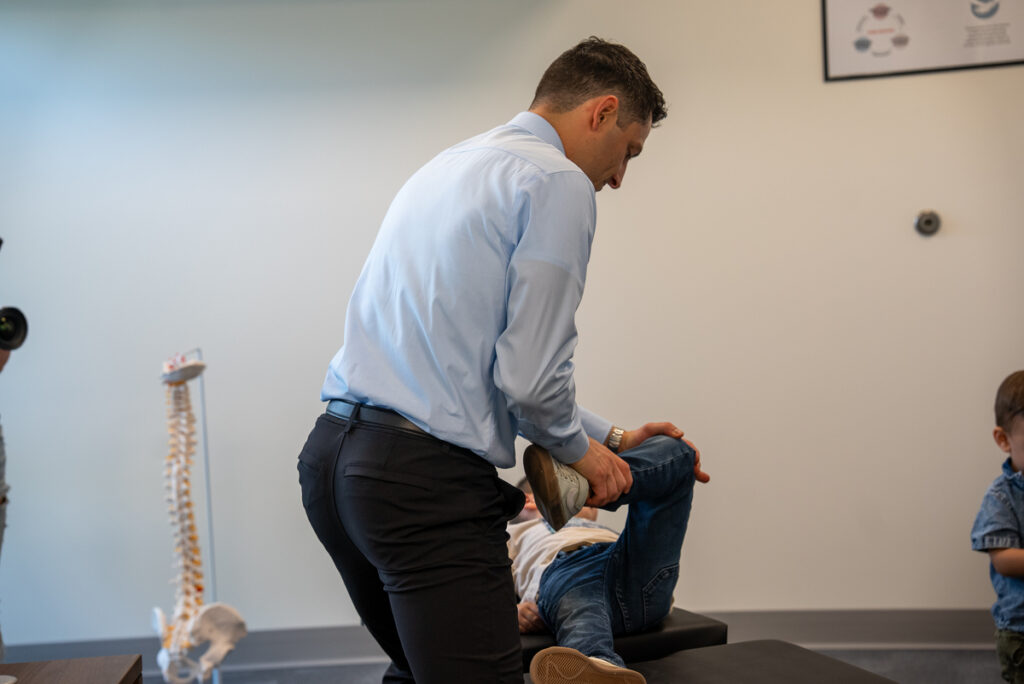

If you’re experiencing the discomfort of tension headaches, chiropractic care can offer effective solutions to help you find relief. Our approach focuses on the spine and overall wellness, addressing the root causes of your headaches rather than just masking the symptoms. You may be surprised to learn how small adjustments and lifestyle changes can lead to significant improvements in your well-being.
Let’s delve into the seven best ways chiropractors can help you combat those persistent headaches:
- Spinal Adjustments: By realigning the spine, we can relieve pressure on nerves that may be contributing to your headaches. This gentle manipulation can improve your overall spinal health and reduce tension.
- Posture Correction: Many tension headaches stem from poor posture. We can assess your posture and provide guidance on how to sit, stand, and move in ways that minimize strain on your neck and shoulders.
- Stress Management Techniques: Stress is a common trigger for tension headaches. We can teach you relaxation techniques such as deep breathing exercises and mindfulness practices to help manage stress levels.
- Physical Therapy Exercises: Customized stretching and strengthening exercises can help alleviate tension in the muscles that contribute to headaches. We’ll work together to create a routine that fits your lifestyle.
- Nutritional Guidance: A healthy diet can play a significant role in headache prevention. We can offer simple dietary tips that may help reduce inflammation and improve your overall health.
- Hydration Tips: Dehydration can lead to headaches, so staying well-hydrated is crucial. We’ll discuss how much water you should be drinking daily and share tips on how to easily increase your intake.
- Lifestyle Modifications: Small changes in your daily routine, such as taking regular breaks from screens and finding time for physical activity, can help reduce the frequency and intensity of your headaches.
Chiropractic care presents a holistic approach to achieving optimal health and wellness. By focusing on natural healing methods, you can find the relief you need without the use of medications or invasive procedures. If you’re ready to tackle those nagging headaches, let’s work together to develop a personalized plan that prioritizes your health and well-being.
Key Takeaways
Here are some effective ways chiropractors can help you alleviate tension headaches naturally and promote overall wellness:
- Gentle Spinal Adjustments: By performing gentle adjustments to realign the vertebrae in your spine, we can relieve pressure on the nerves. This not only reduces the intensity and frequency of headaches but also enhances your overall spinal health.
- Soft Tissue Therapy: Techniques like trigger point release target tight muscles that may be contributing to your tension headaches. By alleviating this muscle tightness, we can help you feel more relaxed and less prone to headaches.
- Posture Correction: Proper posture is crucial, especially if you spend long hours at a desk. We can guide you in maintaining ergonomic positions to minimize strain on your spine, which can significantly reduce headache occurrences.
- Regular Stretching and Exercises: Incorporating simple stretching routines into your daily life can improve flexibility and reduce muscle tension in your neck and shoulders. These exercises are easy to do at home and can make a big difference in how you feel.
- Stress Management Techniques: Learning to manage stress is essential for reducing headache frequency. Techniques such as mindfulness and deep breathing exercises can lower your overall tension and help you feel calmer and more centered.
By focusing on these natural methods, chiropractic care can be a powerful ally in achieving optimal health and wellness, allowing you to live your life free from the burden of tension headaches. Remember, taking small steps towards better spinal health can lead to big improvements in your overall well-being!
Spinal Adjustments
Spinal adjustments are an essential part of finding relief from tension headaches. When you come to see me as your chiropractor, I’ll carefully examine your spine’s alignment and pinpoint any areas that may be causing restrictions. By gently applying targeted pressure to specific vertebrae, we can restore proper alignment. This helps to reduce nerve irritation and muscle tension, leading to immediate relief and fewer headaches overall.
As your spine aligns better, you may also notice an improvement in your range of motion. A well-aligned spine allows your body to function more effectively, which can significantly decrease the frequency and intensity of tension headaches. Regular spinal adjustments not only help with pain relief but also promote better posture—especially important if you find yourself sitting at a desk for long periods.
Incorporating spinal adjustments into your wellness routine can truly be transformative. By addressing the root causes of tension headaches, you’ll not only ease your pain but also enhance your overall health and quality of life.
Here are a few tips to keep in mind for maintaining a healthy spine and reducing tension headaches:
- Stay Hydrated: Drinking plenty of water can help keep your muscles and joints lubricated, reducing tension.
- Practice Good Posture: Be mindful of your posture at your desk or when using your phone. Keeping your back straight and shoulders relaxed can take stress off your spine.
- Take Breaks: If you sit for long periods, take short breaks to stand up, stretch, and move around. This can help alleviate tension building up in your neck and shoulders.
- Incorporate Gentle Exercises: Simple exercises like neck stretches, shoulder rolls, and yoga can promote spinal health and reduce tension.
Soft Tissue Therapy
Soft tissue therapy is an essential part of chiropractic care that can significantly help relieve tension headaches. As a chiropractor, I want to share some effective techniques that can ease your discomfort and promote overall wellness. Techniques such as trigger point release and muscle relaxation focus on the tight areas in your body that may be contributing to your headaches. By addressing these underlying issues, you can’t only reduce the frequency of your headaches but also improve your overall health.
In addition to these techniques, here are some general tips you can incorporate into your daily routine:
- Stay Hydrated: Drink plenty of water throughout the day. Dehydration can contribute to headaches, so keeping hydrated is a simple yet effective strategy.
- Practice Good Posture: Be mindful of your posture, especially if you spend long hours at a desk. Proper alignment can alleviate unnecessary tension in your neck and shoulders.
- Incorporate Stretching: Gentle stretching exercises for your neck and shoulders can help relieve tightness. Try to take regular breaks to stretch during your day.
- Manage Stress: Stress is a common trigger for tension headaches. Techniques such as deep breathing, meditation, or yoga can help you find relief.
- Consistent Chiropractic Care: Regular visits to your chiropractor can help maintain spinal health, relieve tension, and prevent headaches from occurring in the first place.
Trigger Point Release
When tension headaches come knocking, one effective way to find relief is through trigger point release, a technique that focuses on releasing tight knots in your muscles.
This method involves applying pressure to specific spots in your body, which helps to alleviate tension and boost blood flow. While you may feel some discomfort during the process, the relief that often follows makes it worthwhile.
As a chiropractor, I use my hands or specialized tools to identify these trigger points, commonly found in areas like your neck, shoulders, and upper back.
As I work on these regions, many patients experience a noticeable decrease in tightness and a reduction in headache intensity. Regular trigger point release sessions can’t only help relieve current headaches but also play a vital role in preventing future ones by maintaining muscle flexibility and reducing overall tension.
Incorporating trigger point release into your wellness routine can be a game changer for managing tension headaches. Here are a few tips to keep in mind:
- Stay Hydrated: Drinking plenty of water helps your muscles stay flexible and can prevent tension buildup.
- Mind Your Posture: Maintaining good posture throughout the day can alleviate strain on your neck and shoulders, reducing the likelihood of tension headaches.
- Take Breaks: If you spend long hours at a desk, make sure to take regular breaks to stretch and move around. This can help release built-up tension.
- Consider Regular Chiropractic Visits: Routine chiropractic care can help maintain spinal health, improve muscle function, and keep your body balanced, which is key for overall wellness.
If you’re looking for a natural way to manage tension headaches, consider incorporating trigger point release into your healthcare routine. It’s a safe, effective method that aligns with the holistic principles of chiropractic care, helping you achieve optimal health and well-being.
Muscle Relaxation Techniques
Muscle relaxation techniques are essential for managing tension headaches, and as a chiropractor, I believe these methods can significantly enhance your well-being. By reducing muscle tightness and improving blood flow, you can experience relief without relying on medications.
Here are four effective techniques that I recommend incorporating into your routine:
- Chiropractic Care: Regular visits to a qualified chiropractor can help identify and address areas of tension throughout your body. By applying targeted adjustments, we can relieve pain, promote relaxation, and improve overall spinal health.
- Gentle Stretching: Incorporating simple stretches into your daily routine can loosen tight muscles in your neck and shoulders. Try to dedicate a few minutes each day to gently stretch these areas, which can help alleviate tension and improve flexibility.
- Heat Application: Using a warm compress or heating pad on sore areas can significantly increase blood circulation and relax tight muscles. This easy, natural approach is a wonderful way to soothe discomfort and promote healing.
- Mindful Breathing: Practicing deep, controlled breathing can help reduce stress and tension, creating a calming effect on both your body and mind. Take a moment each day to focus on your breath, inhaling deeply through your nose and exhaling slowly through your mouth.
Posture Correction
Good posture is essential for reducing tension headaches and enhancing your overall well-being. As a local chiropractor, I want to emphasize that maintaining proper alignment is crucial for your spinal health and can be achieved naturally through chiropractic care. By focusing on ergonomic positioning, you can greatly improve your comfort and reduce discomfort.
Here are some effective techniques and exercises to help you maintain better posture throughout your day:
- Mind Your Ergonomics: Whether you’re sitting at a desk or standing, ensure that your workspace is set up to support good posture. Keep your screen at eye level, your feet flat on the ground, and your back supported. This reduces strain on your spine.
- Take Frequent Breaks: If you sit for long periods, make it a habit to stand up and stretch every 30 minutes. Simple stretches can relieve tension and help reset your posture.
- Strengthen Your Core: A strong core supports your spine. Incorporate exercises like planks and bridges into your routine to build core stability.
- Mind Your Head Position: Keep your head aligned over your shoulders. Avoid leaning forward, especially when using your phone or computer. This can prevent neck strain and headaches.
- Visit Your Chiropractor: Regular chiropractic adjustments can help maintain your posture and alleviate pain. Chiropractic care focuses on the spine and nervous system, providing a natural and effective way to achieve optimal health.
By incorporating these tips into your daily routine and seeking chiropractic care, you can enhance your posture, reduce headaches, and promote a healthier lifestyle.
Importance of Ergonomic Positioning
Maintaining proper ergonomic positioning is vital for preventing tension headaches and enhancing your overall well-being. As a chiropractor, I believe that paying attention to how you sit, stand, and move can significantly reduce strain on your neck and shoulders, ultimately leading to a healthier spine and body. Here are some simple tips to help you improve your ergonomic positioning and promote natural healing:
- Adjust your chair: Ensure your feet are flat on the floor, with your knees at a 90-degree angle. This helps support your spine and reduces discomfort.
- Screen height: Position your computer screen at eye level. This alignment helps avoid unnecessary neck strain, keeping your spine in a more natural position.
- Keyboard and mouse placement: Keep your keyboard and mouse close enough so your elbows remain at a 90-degree angle. This promotes better posture and reduces tension in your shoulders.
- Take breaks: Stand up and stretch every hour. This simple practice can relieve tension, improve circulation, and give your spine a chance to reset.
By integrating these ergonomic tips into your daily routine, you can enhance your comfort and well-being. Chiropractic care complements these practices by addressing any existing misalignments and promoting optimal spinal health.
Techniques for Better Alignment
Achieving better alignment is vital for preventing tension headaches and enhancing your overall posture. As a local chiropractor, I want to share valuable insights on how chiropractic care can help you achieve optimal health naturally. One of the most effective techniques we use is spinal manipulation. This gentle adjustment realigns your vertebrae, relieving pressure on nerves that may be contributing to your headaches.
During your visit, I’ll assess your posture while you sit, stand, and move. This personalized evaluation allows me to provide tailored adjustments that improve your alignment throughout your daily activities. Incorporating gentle stretches and specific adjustments during our sessions can significantly enhance your posture and overall well-being.
Additionally, I may suggest some ergonomic tools to support your alignment at work or home, such as an adjustable chair or a supportive cushion. These small changes can make a big difference in how you feel throughout the day.
Regular chiropractic visits are key to maintaining your improvements. By doing so, you can reduce the likelihood of tension headaches and enjoy a more comfortable, balanced life. Remember, your journey to wellness is a partnership, and I’m here to support you every step of the way. Let’s work together to achieve your health goals naturally!
Exercises for Posture Improvement
Improving your posture is essential not just for your appearance but also for your overall health. It complements the alignment work we’ve accomplished together in our chiropractic sessions. To help maintain that proper alignment and reduce tension headaches, I encourage you to incorporate these simple exercises into your daily routine:
- Wall Angels: Stand with your back against a wall, keeping your arms at a 90-degree angle. Slowly slide your arms up and down while ensuring your shoulders remain in contact with the wall. This exercise helps open up your chest and encourages proper alignment.
- Chin Tucks: Gently pull your chin back towards your throat, as if you’re trying to create a double chin. Hold this position for a few seconds. This movement strengthens the muscles in your neck and helps combat forward head posture.
- Shoulder Blade Squeezes: Whether you’re sitting or standing, squeeze your shoulder blades together and hold for five seconds. This exercise boosts upper back strength and promotes better posture.
- Cat-Cow Stretch: Get on all fours and alternate between arching your back (like a cat) and rounding it (like a cow). This dynamic movement enhances spinal flexibility and can relieve tension throughout your back.
Incorporating these exercises into your daily routine can significantly improve your posture and overall well-being. Remember, chiropractic care is a natural and effective way to achieve optimal health, alleviate pain, and support your journey toward healthier living.
If you have any questions or need further guidance, don’t hesitate to reach out!
Stress Management Techniques
Managing stress effectively is crucial not only for enhancing your overall well-being but also for preventing tension headaches. As a chiropractor, I believe incorporating natural techniques into your daily routine is the best approach to achieving optimal health. One powerful method is practicing mindfulness. Activities like meditation or deep-breathing exercises can help calm your mind and alleviate anxiety. Even setting aside just a few minutes each day for these practices can lead to significant improvements in how you feel.
Another beneficial technique is progressive muscle relaxation. This involves tensing and then relaxing each muscle group, which helps release built-up tension throughout your body. Additionally, don’t overlook the importance of taking regular breaks during your day. Short pauses for stretching or a brief walk can refresh both your mind and body, promoting a healthier lifestyle.
Engaging in hobbies you love is another fantastic way to relieve stress. Whether it’s painting, gardening, or reading, dedicating time to what brings you joy can positively impact your overall health. Remember, managing stress isn’t just about reducing headaches; it’s about nurturing your entire well-being.
As you explore these stress management techniques, consider how chiropractic care can be an essential part of your journey. Chiropractic adjustments can help restore balance to your spine, alleviate discomfort, and enhance your body’s natural ability to heal. By prioritizing chiropractic care, you can take a proactive step toward a healthier, happier life.
Ergonomic Advice
In our fast-paced world, achieving proper ergonomics is essential for your comfort and productivity, and it plays a vital role in maintaining a healthy spine.
By optimizing your workspace and daily habits, you can significantly reduce tension that often leads to headaches and discomfort. Here are four simple ergonomic tips to keep your body happy and healthy:
- Adjust Your Chair: Ensure your chair provides the right support for your lower back, promoting a healthy spine. Your feet should be flat on the floor to help maintain proper posture.
- Screen Height: Position your computer screen at eye level to avoid straining your neck. This adjustment not only protects your spine but also enhances your focus and reduces fatigue.
- Keyboard and Mouse Placement: Keep your keyboard and mouse close to you, allowing your elbows to remain at a comfortable 90-degree angle. This alignment helps prevent unnecessary strain on your arms and neck.
- Take Breaks: Make it a habit to stand up and stretch every hour. These breaks are crucial for relieving muscle tension and improving blood circulation, which can enhance overall wellness.
By incorporating these ergonomic practices into your daily routine, you can minimize discomfort and promote a healthier spine.
Remember, chiropractic care is a natural way to support optimal health and relieve pain. By focusing on spinal health and wellness, you can enjoy a more comfortable and productive life, free from the distractions of tension headaches and discomfort.
Take control of your health today!
Lifestyle and Nutritional Guidance
As a chiropractor deeply invested in your health and wellness, I want to emphasize the significant impact lifestyle choices and nutritional habits can have on preventing tension headaches. You mightn’t realize how your daily routines influence your overall well-being, but making a few mindful adjustments can lead to remarkable improvements.
First and foremost, hydration is crucial. Aim for at least eight glasses of water a day. Dehydration is a common trigger for headaches, and staying well-hydrated can help mitigate that risk.
Next, let’s talk about nutrition. Including magnesium-rich foods in your diet—like leafy greens, nuts, and seeds—can play a vital role in reducing the frequency of headaches. It’s also wise to limit your intake of excessive caffeine and alcohol, as these can contribute to tension headaches over time.
Don’t underestimate the importance of a regular sleep schedule. Strive for seven to nine hours of quality sleep each night. Lack of restful sleep can exacerbate headaches, so establishing a consistent sleep routine is essential.
Managing stress is another key factor. Techniques such as mindfulness, meditation, and deep breathing exercises can significantly enhance your quality of life and help reduce the occurrence of headaches.
Lastly, it’s important to remember that chiropractic care can play a fundamental role in achieving optimal health and relieving pain. Regular chiropractic adjustments can help align your spine, alleviate tension, and promote overall wellness, making it a natural choice for headache relief.
Exercise Recommendations
While you may not immediately associate exercise with relief from tension headaches, incorporating regular physical activity into your routine can significantly reduce their frequency and intensity.
By engaging in specific exercises, you can help relax tight muscles, boost blood circulation, and alleviate stress—key contributors to headaches.
As a local chiropractor, I want to share some effective exercise recommendations that can complement your chiropractic care and promote natural healing:
- Gentle Stretching: Make it a habit to do neck and shoulder stretches every day. This simple practice can help ease muscle tension that often leads to headaches.
- Yoga: Consider practicing yoga to enhance relaxation and flexibility. Focus on deep breathing and being present in the moment, as these techniques can help calm your mind and body.
- Low-Impact Aerobic Activities: Aim for at least 30 minutes of light aerobic exercise such as walking, cycling, or swimming three times a week. These activities not only improve your overall health but also help release endorphins that can diminish headache discomfort.
- Strength Training for the Upper Body: Incorporate strength training exercises for your upper body. This can help build resilience against muscle strain, which is beneficial as you work towards a headache-free lifestyle.
Remember, chiropractic care is an excellent way to address the underlying issues that contribute to headaches.
Regular adjustments can help align your spine, improve your overall well-being, and support your body’s natural healing processes.
If you’re experiencing tension headaches, consider visiting your chiropractor for personalized advice and treatment options.
Together, we can work towards achieving optimal health and wellness!
Conclusion
Incorporating these seven strategies can significantly assist you in managing and alleviating tension headaches, especially through the benefits of chiropractic care. Working with a chiropractor not only helps restore spinal alignment but also aids in relaxing tight muscles, ultimately leading to a more comfortable and pain-free life.
Here are some key takeaways to help you on your journey to relief:
- Spinal Adjustments: Regular chiropractic adjustments can help correct misalignments in your spine, which may be contributing to headache tension.
- Muscle Relaxation: Chiropractors often utilize techniques that target tight muscles, providing immediate relief and promoting long-term health.
- Postural Awareness: Maintaining proper posture is crucial. Your chiropractor can guide you on how to sit, stand, and move in ways that support your spine and reduce tension.
- Stress Management Techniques: Incorporating relaxation exercises, such as deep breathing and stretching, can complement your chiropractic care and help ease tension.
- Healthy Lifestyle Choices: A well-balanced diet, adequate hydration, and regular physical activity are essential for overall health and can reduce headache frequency.
- Ergonomic Adjustments: Your chiropractor can offer advice on how to create a more ergonomic workspace to minimize strain on your neck and back, which can lead to headaches.
- Regular Check-ups: Consistent visits to your chiropractor can help maintain spinal health and prevent tension headaches from returning.
By focusing on these strategies, you take an active role in your health and well-being. Remember, chiropractic care is a natural and effective way to achieve optimal health, free from the need for medications or surgeries. Embrace these tips, and enjoy a life with less pain and more freedom. Your journey to relief starts today!