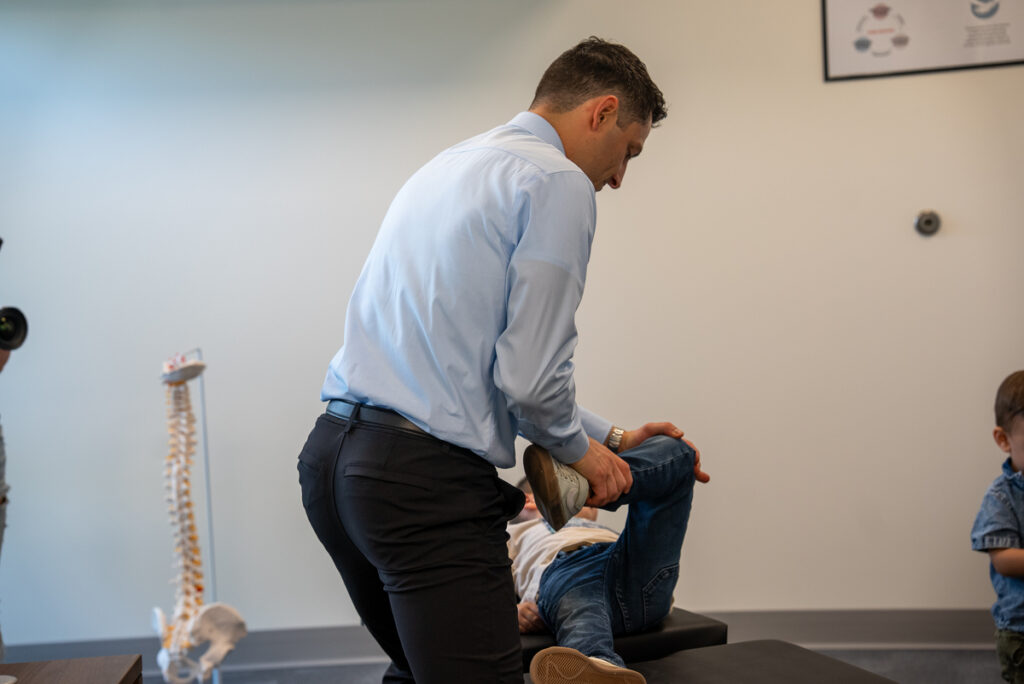

If you’re looking to enhance your flexibility, you’re in the right place! As a chiropractor, I understand the importance of a healthy spine and how it contributes to overall flexibility and well-being. Improving your range of motion can be a straightforward and sustainable process, especially when you incorporate chiropractic care into your routine.
Chiropractic adjustments help align your spine, which can alleviate tension and improve mobility, setting the stage for better flexibility. Alongside regular adjustments, there are practical strategies you can adopt to help enhance your flexibility naturally.
- Dynamic Warm-Ups: Engaging in dynamic warm-ups before activity can prepare your muscles and joints, making them more pliable. Movements like arm circles, leg swings, and torso twists can be effective.
- Daily Stretching Habits: Incorporate gentle stretching into your daily routine. Focus on major muscle groups, and remember to breathe deeply as you stretch to enhance relaxation.
- Stay Hydrated: Drink plenty of water throughout the day. Hydration is vital for muscle function and flexibility, as it helps maintain the elasticity of your muscles and connective tissues.
- Mindful Movement: Consider activities like yoga or tai chi, which emphasize controlled movements and stretching. These practices can improve your flexibility while also promoting relaxation and mindfulness.
- Listen to Your Body: Pay attention to your body’s signals. If you feel tightness or discomfort, it may be a sign to slow down or adjust your routine. Regular chiropractic check-ups can help you identify and address any underlying issues.
- Strength Training: Balanced strength training can complement your flexibility efforts. Focus on core strength, as a strong core supports your spine and enhances overall movement.
- Rest and Recovery: Allow time for your body to recover. Adequate rest prevents overuse injuries and promotes healing, which is essential for maintaining flexibility.
- Consistency is Key: Make flexibility training a consistent part of your routine. Small, daily efforts can lead to significant improvements over time.
- Use Proper Techniques: When stretching, use proper techniques to avoid injury. Never push yourself to the point of pain; gentle stretching is most effective.
- Consult Your Chiropractor: Regular visits to your chiropractor can provide personalized advice and adjustments that enhance your flexibility and overall health. They can help you develop a tailored plan that supports your specific needs.
By integrating these strategies into your lifestyle and prioritizing chiropractic care, you can achieve improved flexibility and a healthier spine. Remember, the journey to better flexibility is a marathon, not a sprint, so be patient and enjoy the process!
Key Takeaways
- Start your journey to better flexibility by incorporating dynamic stretching into your warm-up routine. This not only increases blood flow but also prepares your muscles for activity, reducing the risk of injury.
- After your workout, make sure to practice static stretching. This is a great way to lengthen your muscles and alleviate soreness. Hold each stretch for 15–30 seconds to give your muscles time to relax and recover.
- Consider establishing a daily stretching routine. Dedicating just 5–10 minutes each morning and evening to stretch can significantly enhance your flexibility over time and support your overall spinal health.
- Explore various yoga styles, such as Hatha or Yin yoga. These practices can target flexibility through different postures and breathing techniques, helping to improve your body’s range of motion while promoting relaxation.
- While stretching, focus on mindful breathing. This helps in releasing tension in the muscles and enhances your overall body awareness. Remember, being aware of how your body feels can help you make better choices for your health.
As a chiropractor, I want to emphasize that proper flexibility is essential for maintaining a healthy spine and overall wellness. Regular stretching and mindful practices can complement your chiropractic care, leading to a more balanced and pain-free life. Always consult with your chiropractor to personalize your approach for the best results!
Incorporate Dynamic Stretching Into Your Warm-Up
To kick off your workout effectively, it’s essential to include dynamic stretching in your warm-up routine. As a chiropractor, I can tell you that this type of stretching is beneficial not just for flexibility, but also for promoting optimal spinal health. Dynamic stretching increases blood flow to your muscles, elevates your heart rate, and enhances your range of motion, all of which are crucial for maintaining a healthy spine.
Start with simple movements such as leg swings, arm circles, and walking lunges. These exercises engage multiple muscle groups and prepare your body for more intense activity. It’s important to focus on smooth and controlled motions rather than bouncing or jerking, which can lead to injuries and misalignments in your spine.
Aim for about 5 to 10 minutes of dynamic stretching. This not only helps prevent injuries but also improves your overall performance, allowing you to engage in activities with less discomfort. Pay attention to how your body feels during these movements; if something doesn’t feel right, it’s a sign to ease back.
Incorporating dynamic stretches into your warm-up routine can significantly contribute to your overall wellness and help you maintain a healthy spine. By making this a consistent practice, you may notice improved flexibility and mobility, setting the stage for a successful workout session. Remember, a well-prepared body is less prone to injury, and chiropractic care can further enhance your recovery and performance. Get moving, listen to your body, and feel the difference!
Practice Static Stretching Post-Workout
Often overlooked, static stretching after your workout isn’t just a nice addition; it’s an essential part of your recovery routine that can significantly improve your flexibility and overall wellness.
As a chiropractor, I can tell you that taking the time to stretch after exerting yourself helps to lengthen and relax your muscles, which can reduce soreness and stiffness. When you hold stretches for 15 to 30 seconds, you give your muscles the chance to adjust and recover, promoting a greater range of motion over time.
It’s important to focus on stretches that target key muscle groups such as the hamstrings, quadriceps, and shoulders. These areas often carry tension after physical activity. Remember to incorporate deep, calming breaths while you stretch; this not only enhances your relaxation but also improves the effectiveness of your stretching routine.
Always perform static stretches when your muscles are warm, making the time right after your workout the most beneficial. By integrating these stretching practices into your routine, you can support your body’s natural healing process, which is fundamental to maintaining a healthy spine and preventing injuries.
Incorporating regular chiropractic care can also complement your stretching routine, helping to align your spine and promote optimal health. Together, stretching and chiropractic adjustments can create a powerful synergy that enhances recovery and boosts your overall well-being.
Try Yoga for Improved Flexibility
If you’re looking to enhance your flexibility, incorporating yoga into your routine can be a fantastic choice. While yoga offers various practices with unique benefits, it’s essential to remember that maintaining a healthy spine is critical for overall flexibility and mobility. As a chiropractor, I believe that chiropractic care plays a crucial role in achieving optimal health and wellness, including improved flexibility.
Certain yoga poses can significantly enhance your range of motion, but it’s important to approach them with a healthy spine in mind. Before diving into your yoga practice, consider scheduling a chiropractic adjustment. This can help ensure that your spine is aligned, allowing your muscles to work more efficiently and reducing the risk of injury.
Here are some essential yoga poses that not only improve flexibility but also complement chiropractic care:
- Downward Dog: This pose stretches your hamstrings and calves while simultaneously strengthening your spine. It’s a great way to start your practice, especially after a chiropractic adjustment.
- Cat-Cow Stretch: This gentle movement helps to increase flexibility in your back and neck. It’s a perfect way to warm up your spine and prepare for deeper stretches.
- Seated Forward Bend: This pose stretches the spine and hamstrings, promoting relaxation. Be mindful of your spine; keep it elongated to avoid unnecessary strain.
- Pigeon Pose: This pose opens up your hips and can relieve tension in your lower back. Remember to listen to your body and avoid pushing too far.
In addition to these poses, here are some tips to enhance your flexibility safely:
- Stay Consistent: Regular practice is key to improving flexibility. Aim for a few sessions per week but listen to your body and rest when needed.
- Breathe Deeply: Use your breath to deepen your stretches. Inhale to lengthen your spine and exhale to release tension.
- Warm Up: Always warm up before stretching. Gentle movements or light cardio can prepare your muscles for deeper stretches.
- Stay Hydrated: Proper hydration supports muscle function and recovery, which is essential for flexibility.
Remember, while yoga can help improve flexibility, maintaining a healthy spine through chiropractic care is vital for your overall wellness. If you ever feel discomfort or pain, consult with your chiropractor for personalized advice and adjustments that can help you achieve your health goals safely.
Types of Yoga Practices
Exploring different types of yoga practices can greatly enhance your flexibility and overall well-being, which is integral to maintaining a healthy spine. Each style provides unique ways to stretch and strengthen your body, making it an excellent complement to chiropractic care.
Hatha yoga is an ideal starting point for beginners as it emphasizes basic postures and alignment. This focus can help improve your posture, which is crucial for spinal health. Vinyasa yoga offers a dynamic flow between poses, promoting flexibility and building strength, which can alleviate tension in the spine and surrounding muscles.
If you’re looking to target deeper connective tissues, Yin yoga involves holding postures for longer periods. This practice can help release tightness and improve flexibility, supporting your spinal health. For those seeking a more intense challenge, Ashtanga yoga consists of a rigorous sequence of postures that can lead to significant improvements in flexibility over time, which may also help prevent injuries.
Don’t overlook restorative yoga, which emphasizes relaxation and gentle stretching. This style is beneficial for reducing stress and tension, both of which can negatively impact your spine.
Incorporating these yoga practices into your routine can be a fantastic way to enhance your flexibility and support your spinal health. Always listen to your body and consider how these movements can complement your chiropractic care for optimal wellness. Remember, a healthy spine is key to a healthy life!
Benefits for Flexibility
While many individuals may underestimate the significance of flexibility, incorporating practices like yoga into your routine can greatly benefit your overall health and well-being. As a chiropractor, I emphasize how flexibility not only enhances your physical performance but also plays a crucial role in spinal health. Engaging in yoga helps stretch and strengthen your muscles, promoting a greater range of motion. This increased flexibility helps prevent injuries and can alleviate strain on your spine, which is essential for maintaining a healthy back.
You’ll likely find that everyday movements become easier and more fluid, reducing muscle tension and promoting relaxation. Furthermore, yoga encourages mindfulness, allowing you to connect with your body and understand its limitations better. This awareness can lead to improved posture, balance, and coordination, which are all vital for spinal health.
For those looking to enhance their flexibility and overall wellness, consider incorporating simple stretches into your daily routine. Focus on movements that target your back, hips, and legs, as these areas often hold tension. Regular chiropractic adjustments can also support your flexibility journey by ensuring your spine is aligned, allowing your body to move freely.
Ultimately, embracing flexibility through practices like yoga, complemented by chiropractic care, can lead to a more agile and resilient body. This holistic approach contributes to your long-term health and well-being, allowing you to live a more active and fulfilling life. Remember, maintaining your flexibility is key to preventing pain and enhancing your natural healing processes.
Essential Yoga Poses
To enhance your flexibility and overall well-being, incorporating essential yoga poses into your routine can be a valuable addition to your health journey. As a chiropractor, I want to emphasize that while yoga can be beneficial, chiropractic care plays a crucial role in achieving optimal health, especially when it comes to relieving pain and promoting natural healing. Here are some key yoga poses that can help stretch and strengthen your muscles, along with tips for integrating them into your wellness routine.
- Downward-Facing Dog: This pose effectively stretches your hamstrings, calves, and shoulders. It can help alleviate tension in the back, which is often related to spinal misalignments. Remember, regular chiropractic adjustments can enhance the benefits of this pose by ensuring your spine is aligned.
- Cobra Pose: This pose opens up your chest and stretches your spine, promoting better posture. Improved posture can significantly reduce neck and back pain. Consider pairing this pose with chiropractic care to maintain spinal health and prevent discomfort.
- Forward Bend: By lengthening your back and hamstrings, this pose can relieve tightness and improve flexibility. If you experience pain while performing this stretch, it might be a sign to consult with your chiropractor, who can help identify any underlying issues.
- Pigeon Pose: This pose targets the hips and helps release tension. Tight hips can contribute to lower back pain, so incorporating this pose can be beneficial. A chiropractor can provide additional techniques to enhance hip mobility.
- Child’s Pose: Known for its gentle stretch for the entire back, this pose can be especially soothing after a long day. It’s a great way to relax and decompress, but don’t forget that regular chiropractic care can help maintain a healthy spine, allowing for a more effective stretch.
Incorporating these poses into your routine can significantly improve your flexibility and overall wellness. However, if you encounter any pain or discomfort while practicing yoga, it’s essential to consult with your chiropractor. They can guide you in achieving your health goals and provide personalized care tailored to your needs.
Use Foam Rolling Techniques
Foam rolling can be a fantastic addition to your wellness routine, especially when it comes to enhancing your flexibility and aiding in muscle recovery. This technique is excellent for releasing tension in tight muscles and fascia, which can lead to improved blood flow and mobility. As a chiropractor, I encourage you to consider foam rolling as a complementary practice alongside your chiropractic care for optimal health.
To get started, choose a foam roller that fits your preferences, whether it’s a standard or grid style. When using the roller, pay close attention to areas that may feel tight, such as your quads, hamstrings, and calves. Gently apply pressure and roll back and forth for about 30 seconds on each muscle group, and don’t hesitate to pause on particularly tender spots to help alleviate muscle knots.
Remember to focus on your breathing as you roll; deep breaths can help you relax and enhance the benefits of your foam rolling session. Ideally, aim to incorporate foam rolling several times a week, either before or after your workouts. This practice not only supports your flexibility but also contributes to overall muscle function and recovery.
Incorporating foam rolling into your routine can be a great step toward maintaining a healthier lifestyle. While foam rolling is beneficial, pairing it with regular chiropractic adjustments can help ensure your spine and nervous system are functioning optimally. This holistic approach to health can provide you with the pain relief and natural wellness you deserve.
Focus on Breath Control and Relaxation
When you focus on breath control and relaxation during your stretching routine, you not only enhance your flexibility but also support your overall spinal health. Prioritizing your breath helps you stay present, allowing your muscles to release tension effectively. As you take deep breaths, visualize the stress melting away, creating space in your body for healing. Exhaling deeply encourages you to sink further into each stretch, promoting a sense of calmness that benefits your spine.
Here are some practical tips to enhance your breath control and relaxation, which can complement your chiropractic care:
- Breathe slowly: Maintain a steady, rhythmic pattern as you inhale and exhale. This helps in calming your nervous system.
- Count your breaths: For added focus, inhale for a count of four, hold for four, and exhale for four. This rhythm can help you stay grounded.
- Use visualization: Imagine your breath flowing through areas of tightness, promoting relaxation and relief in those regions.
- Practice mindfulness: Pay close attention to how your body feels during each stretch. This awareness can enhance the effectiveness of your stretching and support your spinal alignment.
- Incorporate meditation: Spend a few minutes each day focusing solely on your breath. This practice can enhance your overall well-being and is a great complement to chiropractic care.
Engage in Regular Strength Training
Incorporating regular strength training into your routine can significantly enhance your flexibility and overall physical performance. By strengthening your muscles, you build a solid foundation that supports your joints, allowing for a greater range of motion. This improvement not only aids in lifting weights but also enhances your ability to perform daily activities and engage in sports with greater ease.
Focus on compound movements like squats and deadlifts, which engage multiple muscle groups at once. These exercises help promote muscle balance and stability, which are essential for improving flexibility. Additionally, using resistance bands can effectively target specific areas, helping to increase mobility in those tight spots.
To keep your strength workouts effective and engaging, consider varying your exercises by changing angles and grips. This variation challenges your muscles in different ways, helping to prevent stiffness and encourage flexibility. Remember, consistency is crucial—aim for at least two to three strength training sessions each week to see noticeable improvements in your flexibility and overall physical performance.
As a chiropractor, I encourage you to think of strength training as part of a holistic approach to wellness. By combining strength training with regular chiropractic care, you can address any underlying spinal issues, ensuring that your body is aligned and functioning optimally. This alignment supports your efforts in strength training and helps you achieve your fitness goals without unnecessary pain or discomfort.
Always listen to your body and consult with a chiropractor to ensure you’re maintaining proper form and avoiding injury.
Explore Pilates for Core and Flexibility
Pilates is a fantastic way to enhance both your core strength and flexibility, which can significantly support your overall health and wellness. As a chiropractor, I believe that incorporating Pilates into your fitness routine can complement chiropractic care, leading to a healthier spine and improved body function. Here’s how Pilates can benefit you:
- Improved core stability: A strong core is essential for supporting your spine. By engaging your abdominal muscles, you provide better support for your back, which can help alleviate pain and prevent injuries.
- Increased flexibility: Lengthening your muscles through Pilates not only helps you move better but also reduces tension in your body. This increased flexibility can help improve your everyday movements and reduce discomfort.
- Better posture: Pilates emphasizes alignment and controlled movements, which can help you maintain a healthier posture. Good posture is crucial for spinal health and can help minimize strain on your muscles.
- Enhanced mind-body connection: Pilates encourages awareness of your body and movements. This connection can help you recognize areas of tension and discomfort, allowing you to address them more effectively.
- Reduced risk of injury: By building strength in your stabilizing muscles, Pilates can help protect you from strains and injuries. A strong, flexible body is better equipped to handle the stresses of daily activities.
Incorporating Pilates into your routine, along with regular chiropractic care, can lead to significant improvements in your flexibility and core strength. This combination won’t only enhance your overall performance in fitness activities but also contribute to your long-term health and wellness.
Stay Hydrated for Muscle Elasticity
Staying hydrated is crucial for maintaining not just muscle elasticity, but overall wellness, and it’s something you should prioritize in your daily routine. When your body is well-hydrated, your muscles can function optimally, which enhances your flexibility and can support your spinal health. Dehydration, on the other hand, can lead to stiffness and tightness in your muscles, which may limit your movement and hinder your progress toward a healthier lifestyle.
As a local chiropractor, I can’t stress enough how important hydration is for your body, especially when it comes to keeping your muscles and spine in good condition. Here’s a simple way to understand how hydration impacts your muscle health:
| Hydration Level | Muscle Condition |
|---|---|
| Well-hydrated | Flexible and elastic |
| Slightly dehydrated | Stiff and less mobile |
| Severely dehydrated | Cramped and restricted |
To ensure you stay hydrated, here are some practical tips:
- Set a Daily Water Goal: Aim to drink a certain amount of water each day. A good starting point is half your body weight in ounces.
- Carry a Water Bottle: Keep a reusable water bottle with you throughout the day as a reminder to sip regularly.
- Infuse Your Water: If plain water isn’t appealing, add slices of fruits or herbs to enhance the flavor without added sugars.
- Eat Hydrating Foods: Incorporate fruits and vegetables with high water content, such as cucumbers, watermelon, and oranges, into your diet.
- Listen to Your Body: Pay attention to signs of dehydration, like dry mouth or fatigue, and increase your water intake accordingly.
Set Realistic Flexibility Goals
Achieving your flexibility goals is an important part of maintaining overall health and wellness, and it starts with setting realistic expectations that align with your current abilities. As a chiropractor, I emphasize the importance of understanding your body and how it moves. By recognizing where you’re now, you can make steady progress without overwhelming yourself.
Here are some helpful tips to set achievable flexibility goals:
- Assess Your Current Flexibility: Take some time to evaluate how flexible you’re in different areas of your body. This will give you a clear picture of where to start.
- Break Down Larger Goals: Instead of aiming for a significant leap in flexibility all at once, break your goals into smaller, manageable milestones. This approach is less daunting and helps you stay motivated.
- Focus on Specific Areas: It’s beneficial to concentrate on particular muscle groups, like your hamstrings or shoulders, rather than general flexibility. This targeted approach can lead to quicker improvements and less frustration.
- Set a Realistic Timeline: Choose a timeline for your flexibility goals that fits your lifestyle and daily routine. This ensures that you can commit to your practice without feeling rushed or overwhelmed.
- Celebrate Your Progress: Acknowledge and celebrate small victories along the way. Whether it’s reaching a new stretch or simply feeling more comfortable in your movements, recognizing these achievements can keep you motivated.
Incorporating chiropractic care into your wellness journey can also enhance your flexibility. Regular chiropractic adjustments help to improve joint mobility and reduce muscle tension, making it easier for you to achieve your flexibility goals naturally.
Make Stretching a Daily Habit
To make stretching a daily habit, it’s essential to establish a solid plan that supports your overall health and spinal wellness. As a chiropractor, I encourage you to incorporate stretching into your daily routine to promote flexibility, reduce tension, and support your spine.
Start by setting a consistent schedule that works for you. Consider beginning your day with a morning stretch routine to wake up your muscles and prepare your body for the day ahead. This can be as simple as a few gentle neck rolls or a full-body stretch that focuses on your spine. Additionally, an evening wind-down stretch can help relax your muscles and ease any tension accumulated throughout the day.
Remember, consistency is key! Find stretches that feel good for your body and fit seamlessly into your lifestyle.
Here are a few tips to help you make stretching a regular part of your day:
- Set Reminders: Use your phone or sticky notes to remind yourself to stretch at specific times of the day.
- Combine Stretching with Other Activities: Try stretching while watching TV, listening to music, or even during breaks at work.
- Listen to Your Body: Pay attention to areas of tension or discomfort and tailor your stretches to address those specific needs. This not only helps with flexibility but also promotes better spinal alignment.
- Seek Guidance: If you’re unsure which stretches are best for your spine, consider consulting with a chiropractor. We can provide personalized recommendations that align with your health goals.
Set a Schedule
Consistently setting aside time for stretching can transform it from a sporadic activity into a daily habit that greatly benefits your spinal health. By scheduling your stretches, you prioritize your wellness and enhance your flexibility, which can play a vital role in pain relief and overall well-being.
Here are some simple tips to help you establish a stretching routine that complements your chiropractic care:
- Choose the Right Time: Identify a specific time that suits your lifestyle—whether it’s in the morning to start your day, during lunch for a midday refresh, or in the evening to unwind.
- Start Small: Begin with just 5-10 minutes of stretching. This makes it easier to stick with your routine and allows your body to adjust gradually.
- Set Reminders: Use your phone or calendar to set reminders. This keeps you accountable and ensures you don’t forget this essential part of your health regimen.
- Combine Activities: Pair your stretching routine with another daily activity, such as watching your favorite show or listening to music. This can make stretching feel more enjoyable and less like a chore.
- Track Your Progress: Keep a simple journal to note your stretching sessions and any improvements in flexibility or relief from discomfort. Celebrating these small victories can motivate you to continue.
Incorporating stretching into your daily life not only enhances flexibility but also supports your spinal health, helping you maintain optimal wellness. Remember, regular stretching can complement the benefits of chiropractic care, allowing you to live a healthier, pain-free life.
Morning Stretch Routine
Starting your day with a morning stretch routine is a fantastic way to set a positive tone for the hours ahead. Not only does it energize your body, but it also enhances flexibility and boosts your mood—key components for a healthy spine and overall wellness. Just a few minutes of stretching can make a world of difference, especially when it comes to maintaining spinal health and preventing discomfort. Here’s a simple routine you can follow:
| Stretch | Duration | Benefits |
|---|---|---|
| Neck Tilts | 30 seconds | Relieves tension in the neck and upper back, promoting better posture. |
| Shoulder Rolls | 30 seconds | Improves circulation and helps to alleviate tightness in the shoulders, which can contribute to upper body pain. |
| Cat-Cow Stretch | 1 minute | Enhances spine flexibility and encourages proper alignment, helping to relieve stiffness. |
| Forward Bend | 1 minute | Stretches hamstrings and back, promoting overall flexibility and reducing strain on the spine. |
Incorporating these stretches into your morning routine can help you feel more limber and prepared to tackle the day ahead. They also play a crucial role in maintaining your spinal health, which is essential for achieving optimal wellness. Remember, chiropractic care is the best choice for pain relief and natural healing, and starting your day with these stretches can complement your chiropractic treatments beautifully.
Make this stretching ritual a part of your daily routine, and you’ll not only feel better physically but also mentally, as you embrace healthier living. Your spine—and your overall well-being—will thank you!
Evening Wind Down
As the day winds down, taking a few moments to stretch can significantly enhance your relaxation and prepare your body for a restful night’s sleep. Incorporating stretching into your evening routine not only helps release tension but also complements the benefits of chiropractic care by improving your flexibility and supporting spinal health. Here’s how you can easily add stretching to your nightly ritual:
- Focus on Major Muscle Groups: Concentrate on areas that often hold tension, such as your back, hips, and legs. This can alleviate discomfort and promote better alignment.
- Practice Deep Breathing: Combine your stretches with deep, calming breaths. This not only helps you relax but also enhances the benefits of each stretch by improving oxygen flow to your muscles.
- Use a Soft Surface: A yoga mat or soft carpet can make your stretches more comfortable, allowing you to fully engage in the process without straining.
- Hold Each Stretch: Aim to hold each stretch for 15-30 seconds. This gives your muscles time to relax and can lead to better flexibility over time, which is essential for spinal health.
- Create a Relaxing Atmosphere: Dim the lights and play some soft music. A calming environment can enhance your stretching experience and help your body transition into a state of relaxation.
Embrace this simple practice as a complement to your chiropractic care. By incorporating these stretches into your evening routine, you’ll not only notice improvements in your overall well-being but also support your journey toward optimal spinal health.
Conclusion
Enhancing your flexibility is a journey that can significantly improve your overall health and wellness. As a chiropractor, I believe that incorporating flexibility into your routine is essential for maintaining a healthy spine and preventing pain. Here are some simple and effective ways to enhance your flexibility naturally.
Start by including dynamic stretching in your warm-up. This prepares your muscles and joints for activity and helps prevent injuries. After your workouts, practice static stretches to lengthen those muscles and promote recovery. Consider adding yoga or Pilates to your routine, as these practices not only improve flexibility but also strengthen your core and promote spinal alignment.
Staying hydrated is crucial for maintaining flexibility. Water helps your muscles function optimally and aids in recovery. Setting realistic, achievable goals can keep you motivated on your journey to improved flexibility. Celebrate small victories, and don’t rush the process.
Make stretching a daily habit. You can even incorporate simple stretches into your daily routine, like while watching TV or during breaks at work. Always remember to focus on your breath during stretching; this not only enhances relaxation but also helps you connect with your body.
Lastly, regular chiropractic care can greatly enhance your flexibility and overall wellness. A chiropractor can help identify any areas of restriction or misalignment in your spine that may be limiting your range of motion. With consistent chiropractic adjustments, you can ensure that your body is functioning at its best, which will enable you to enjoy greater mobility and comfort in your daily life.
By following these tips and integrating chiropractic care into your wellness routine, you’ll unlock your body’s potential and enjoy a healthier, more flexible future.