
Chronic pain can often feel overwhelming, but you can take charge of your health and well-being with a structured approach centered around chiropractic care. Understanding your pain triggers is essential, as this knowledge empowers you to make informed decisions about your body. By developing a personalized management plan that incorporates regular chiropractic adjustments, you can effectively address the root causes of your pain.
Gentle exercises, recommended by your chiropractor, can also be a crucial component of your relief journey. These exercises help strengthen your body, improve flexibility, and enhance overall function without adding stress to your system. Additionally, incorporating mind-body techniques, such as deep breathing or mindfulness, can complement your chiropractic care and promote relaxation.
Professional support from your chiropractor is vital, as they can guide you on this journey to better health. Their expertise in spinal health and natural healing offers you a safe and effective pathway to relief without the need for surgeries or medications. Curious about how these steps can transform your experience? Let’s delve deeper into each one and discover how chiropractic care can lead to lasting improvements in your quality of life. Remember, taking small, consistent steps can lead to significant changes in your health and wellness!
Key Takeaways
- Keeping a pain diary is a great way to identify what triggers your pain. By tracking your activities, you can spot patterns that help you adjust your daily routine to avoid flare-ups and enhance your quality of life.
- Creating a well-rounded pain management plan is essential. This plan can help you make informed choices about your treatment and set realistic goals for relief and improved function. As a chiropractor, I emphasize the importance of a plan that focuses on natural healing and supports your body’s innate ability to recover.
- Engaging in regular physical activity is crucial for building muscle strength and flexibility. Not only does this contribute to better pain management, but it also promotes overall well-being. Simple activities like walking or gentle stretching can go a long way in enhancing your health.
- Incorporating mind-body techniques, such as meditation or gentle yoga, into your routine can significantly reduce stress and promote relaxation. These practices not only aid in pain tolerance but also support your body’s healing processes, making them excellent complements to chiropractic care.
- Seeking professional support from a chiropractor can provide you with personalized care tailored to your unique needs. Chiropractors focus on enhancing spinal health, which is vital for overall wellness. We offer resources and techniques that empower you to manage your pain naturally and achieve optimal health without the need for surgeries or medications.
By focusing on these strategies, you can take meaningful steps toward relieving chronic pain and embracing a healthier lifestyle through chiropractic care.
Understand Your Pain Triggers
To effectively manage your chronic pain, it’s crucial to understand your pain triggers. These triggers can differ from person to person and may include physical activities, stress, certain foods, or environmental factors. A great first step is to keep a pain diary. This will help you identify patterns; take note of when your pain intensifies and what you were doing at that time. By increasing your awareness, you empower yourself to take control of your health.
Once you’ve pinpointed your triggers, you can develop strategies to lessen their impact. For instance, if stress seems to worsen your pain, consider incorporating relaxation techniques such as deep breathing or meditation into your routine. If particular activities lead to discomfort, you might want to modify your approach to those activities. Remember, it’s not just about avoiding triggers; it’s about finding a balance that lets you live your life fully while effectively managing your pain.
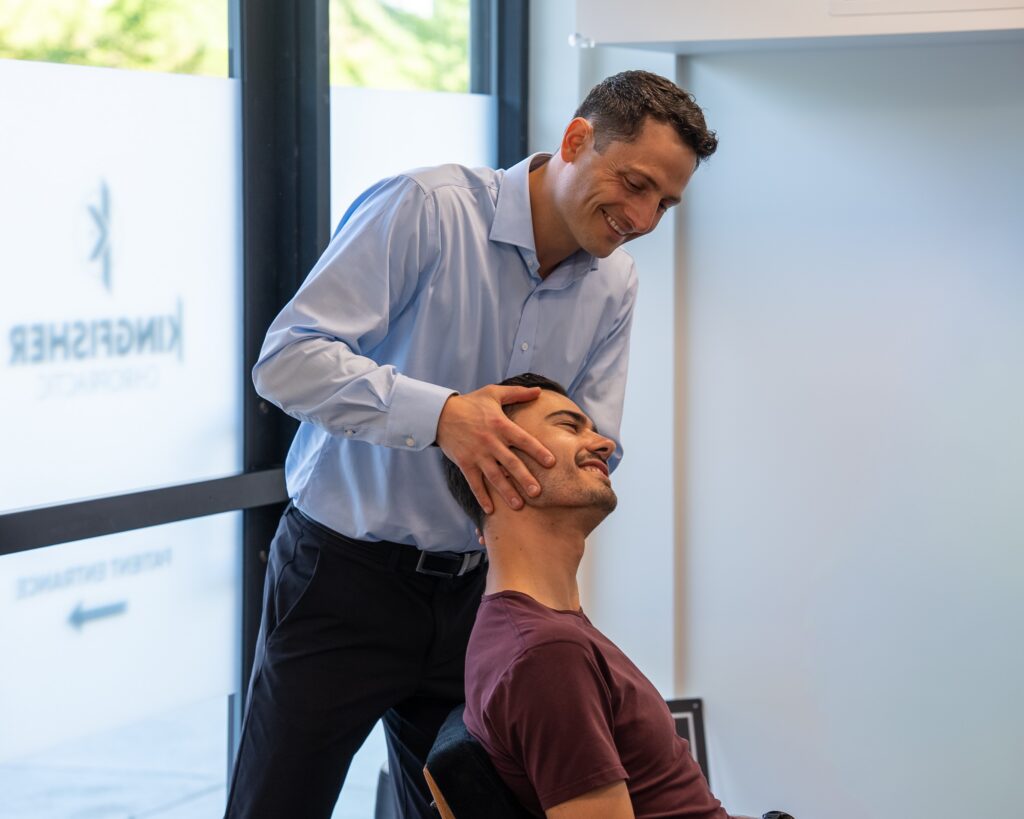
Chiropractic care can play a vital role in this journey. By aligning your spine and improving overall function, chiropractic adjustments can help reduce pain and improve your body’s ability to handle stress and physical challenges.
Regular chiropractic visits can also enhance your awareness of body mechanics, making it easier for you to identify and avoid activities that may trigger your pain.
Incorporating chiropractic care into your wellness routine can provide a natural, holistic approach to pain relief and overall health. Embrace these strategies, and consider how chiropractic care can support you in your journey toward better pain management and a healthier lifestyle.
Develop a Comprehensive Pain Management Plan
Creating a comprehensive pain management plan is crucial for effectively managing chronic pain and achieving optimal health. As a chiropractor, I believe that natural healing through chiropractic care is one of the best ways to address pain issues without the need for medications or surgeries.
Start by understanding your pain levels and patterns. Keep track of when your discomfort is at its worst and what activities or positions help alleviate it. This awareness is the first step in managing your pain effectively.
Work closely with your chiropractor to explore treatment options that are tailored specifically to your needs. Chiropractic adjustments can help realign your spine, relieve tension, and reduce pain, allowing your body to heal naturally. Additionally, your chiropractor may suggest complementary therapies such as massage, stretching exercises, or lifestyle changes that promote better health and wellness.
Set realistic goals for your pain relief and daily functionality. Whether it’s being able to walk without discomfort or sit through a family dinner, having specific targets can help you stay motivated. Regular check-ins with your chiropractor can help assess your progress and fine-tune your approach as needed.
Don’t underestimate the power of a solid support system. Surround yourself with friends and family who understand your journey. Sharing your experiences can provide encouragement and foster a sense of community, which is vital for healing.
Lastly, consider keeping a pain journal. Documenting your symptoms, triggers, and any changes you observe in your body can be incredibly helpful. It allows you to communicate effectively with your chiropractor and refine your treatment plan based on what works best for you.
Incorporate Physical Activity and Exercise
Incorporating physical activity and exercise into your daily routine is essential for managing chronic pain effectively. As a chiropractor, I want to emphasize how regular movement not only strengthens your muscles and improves flexibility but also enhances your overall endurance. This holistic approach can significantly reduce pain over time. You don’t need to dive into high-impact workouts; gentle activities like walking, swimming, or yoga can offer substantial benefits.
Start at your own pace and always listen to your body. Aiming for at least 30 minutes of moderate activity most days of the week is a great goal. If that feels overwhelming, don’t hesitate to break it down into shorter sessions. Gradually increasing the duration and intensity of your activities as you feel more comfortable is key to sustaining your progress.
Consistency is crucial in your journey toward pain relief. By making exercise a regular part of your life, you not only manage your pain more effectively but also enhance your mental well-being and overall quality of life. Choose activities you genuinely enjoy—this makes it much easier to stick with a routine.
Explore Mind-Body Techniques
Mind-body techniques can be incredibly beneficial for managing chronic pain, and as a chiropractor, I believe these methods can complement spinal care and enhance your overall health.
By connecting your mental and physical states, you can find effective pain relief and improve your well-being. Here are three simple mind-body techniques to explore, which can work harmoniously with chiropractic care:
1. Meditation: Dedicate a few minutes each day to focus on your breath or a calming phrase. This practice helps to reduce stress, which can often worsen pain.
By calming your mind, you can also increase your pain tolerance, making it easier to cope with discomfort.
2. Yoga: Incorporate gentle yoga stretches into your routine. These movements not only promote flexibility and relaxation but also help alleviate tension in your muscles and spine.
When your body is more relaxed, you’re likely to experience less pain, and this can enhance the benefits of your chiropractic adjustments.
3. Visualization: Take a moment to picture a peaceful place or imagine your pain slowly fading away. This mental imagery can redirect your focus and create a soothing sense of calm.
Visualization can be a powerful tool, especially when combined with the physical support you receive from chiropractic care.
By integrating these techniques into your daily life, you can support your body’s natural healing processes and optimize your health.
Seek Professional Support and Resources
While mind-body techniques are valuable tools for managing chronic pain, seeking professional support, particularly through chiropractic care, is essential for a comprehensive approach to your healing.
As a chiropractor, I believe that understanding your spine and how it affects your overall health is key to achieving optimal wellness. Chiropractic care focuses on correcting misalignments in your spine, which can alleviate pain and improve function throughout your body.
A skilled chiropractor can provide personalized insights tailored to your specific needs. They can help identify underlying issues related to your spinal health, recommend effective treatment plans, and guide you in using natural pain management strategies that promote healing without the need for medications or invasive procedures.
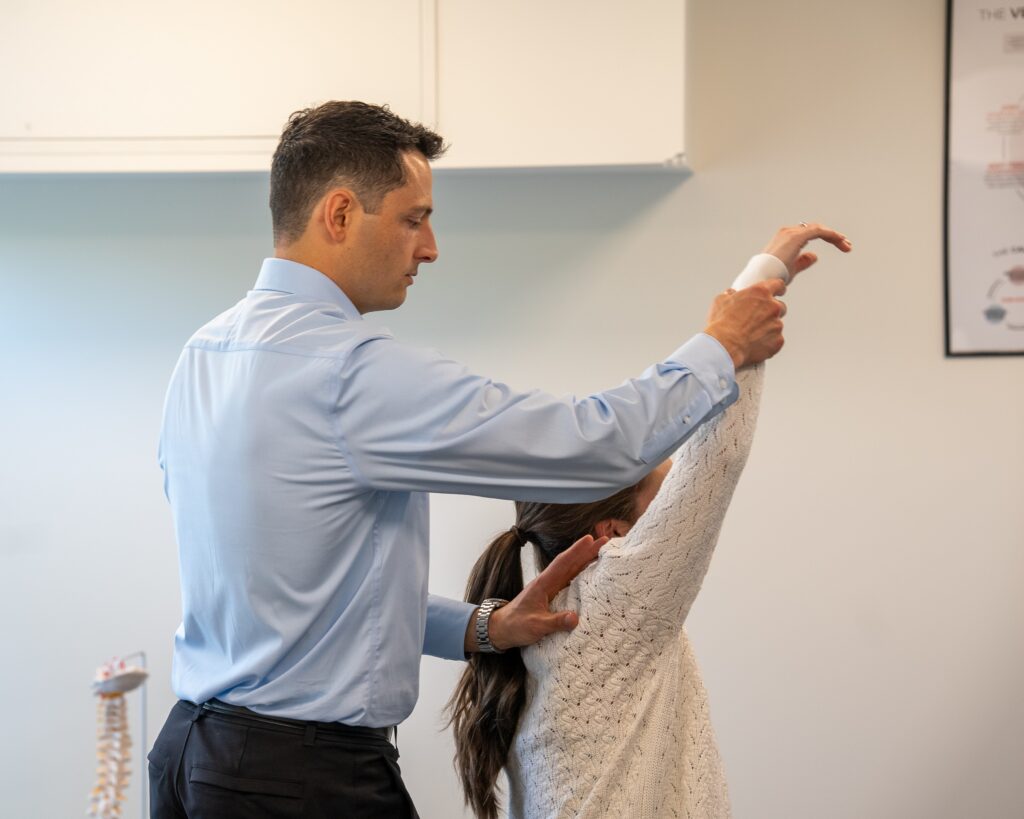
In addition to chiropractic adjustments, consider incorporating other holistic practices into your routine. Gentle exercises, stretching, and proper posture can all contribute to your spinal health and overall well-being. Staying active and mindful of your body mechanics can make a significant difference in how you feel.
Connecting with others who share similar health journeys can also be beneficial. Support groups or wellness workshops can provide emotional encouragement and practical tips for managing pain naturally. Remember, your path to wellness is a journey, and chiropractic care can be a cornerstone of that journey, helping you live a healthier, more vibrant life.
Conclusion
Incorporating these five steps into your daily routine can significantly enhance your management of chronic pain, especially when combined with chiropractic care. By understanding your pain triggers, you can work with your chiropractor to create a personalized plan that addresses your specific needs. Staying active is crucial; gentle exercises and stretches can help maintain mobility and support spinal health. Embracing mind-body techniques, such as mindfulness and relaxation exercises, can also complement your chiropractic treatments.
Don’t hesitate to seek support from your chiropractor, who can guide you on your journey to relief. Remember, you are not alone—your chiropractor is there to help you stay committed to your wellness goals. With patience and persistence, and by prioritizing chiropractic care, you can experience lasting improvements in your quality of life.
Here are some general tips to keep in mind:
- Maintain good posture: This can help alleviate unnecessary strain on your spine.
- Practice regular stretching: Simple stretches can enhance flexibility and reduce tension.
- Stay hydrated: Proper hydration supports overall health and can aid in pain management.
- Incorporate gentle movements: Activities like walking or swimming can promote spinal health without overexertion.
- Communicate openly with your chiropractor: Sharing your experiences and any changes in your pain can lead to more effective treatment plans.
By taking these steps and prioritizing chiropractic care, you’re on the right track to achieving optimal health and wellness.