
When it comes to managing stress, you’ve probably come across both natural relief techniques and traditional methods. While each has its advantages, they serve different needs and preferences. As a chiropractor, I believe that finding the right balance is crucial for your overall health and wellness.
Natural stress relief techniques, such as deep breathing, yoga, and mindfulness, can be incredibly effective. These methods help you tap into your body’s innate ability to heal and find calm. However, they may not always address the root cause of your stress, especially if it’s related to physical discomfort or misalignments in your spine.
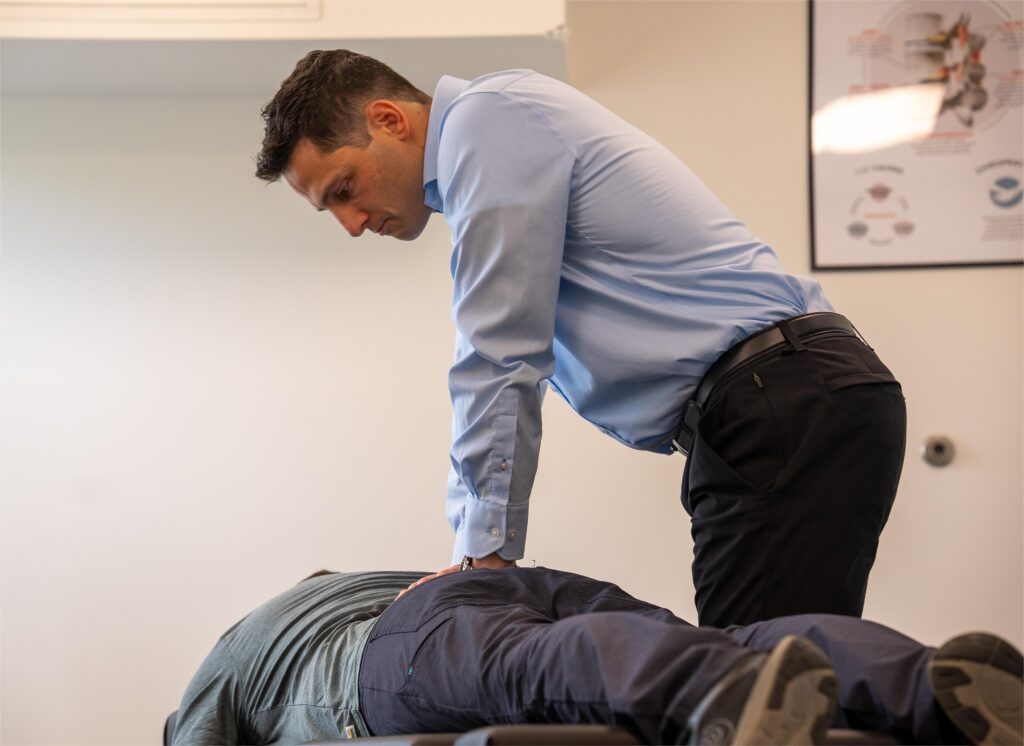
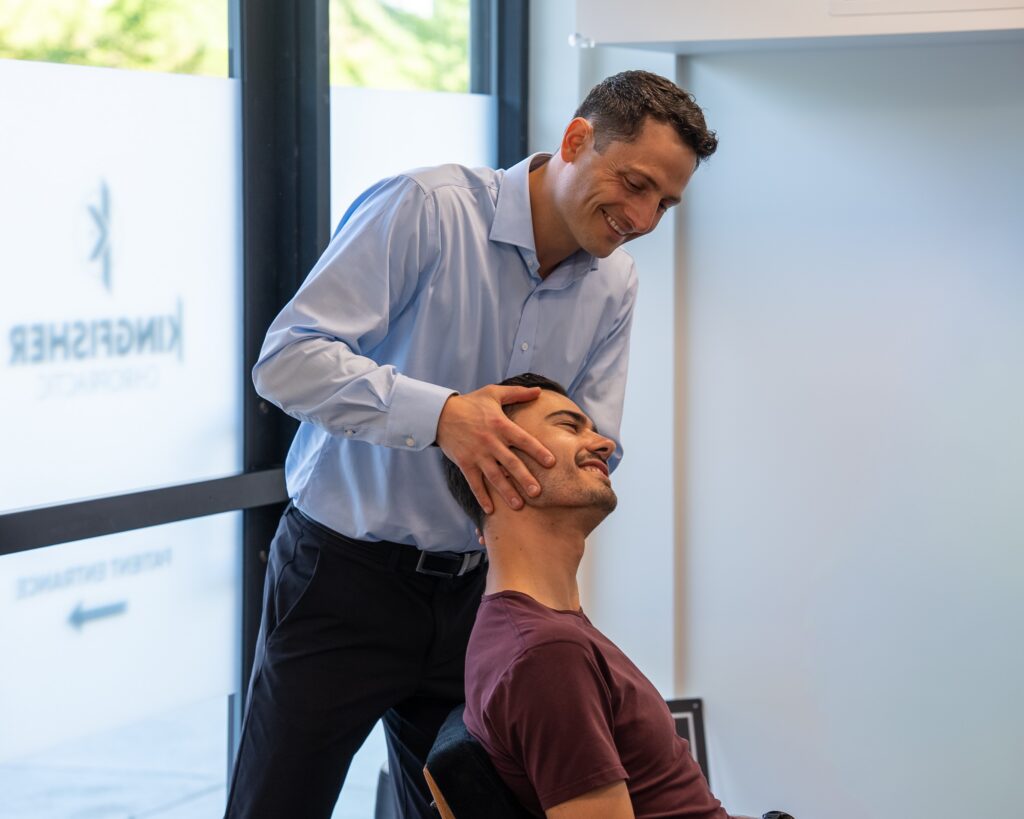
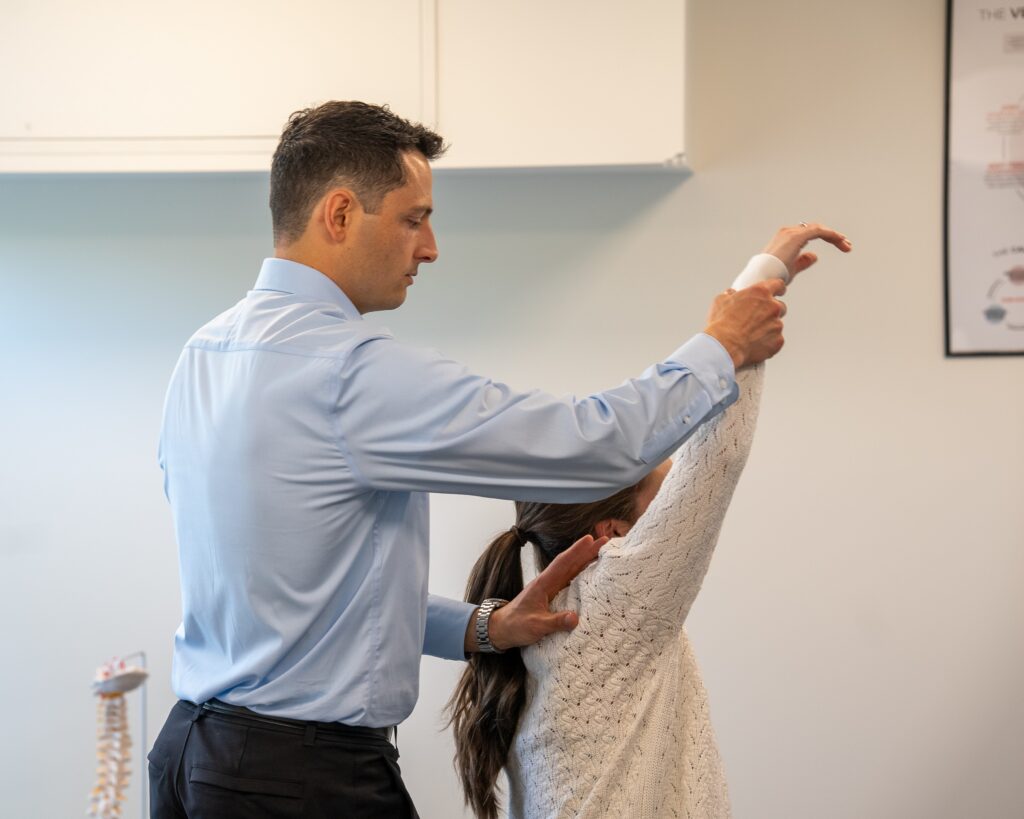
This is where chiropractic care shines. By focusing on spinal health, chiropractic adjustments can alleviate tension and pain that often contribute to stress. When your spine is aligned, your nervous system functions optimally, allowing your body to manage stress more effectively. Plus, chiropractic care promotes relaxation and enhances your overall sense of well-being.
In addition to chiropractic adjustments, here are some general tips to help you manage stress naturally:
- Stay Active: Regular physical activity can boost your mood and reduce stress. Even a daily walk can make a difference.
- Practice Mindfulness: Incorporate mindfulness techniques such as meditation or deep-breathing exercises into your routine to center your thoughts and calm your mind.
- Prioritize Sleep: Ensure you’re getting enough quality sleep. A well-rested body can handle stress better.
- Maintain Good Posture: Poor posture can lead to physical discomfort, which may exacerbate stress. Be mindful of your posture throughout the day.
- Stay Hydrated and Eat Well: A balanced diet and proper hydration are essential for maintaining energy levels and managing stress.
So, as you embark on your quest for lasting stress relief, consider incorporating chiropractic care into your wellness routine. It’s a natural, effective approach to achieving optimal health and managing stress without the need for medications or invasive procedures. Each step you take towards better spinal health is a step towards a more relaxed and balanced life.
Key Takeaways
- Natural stress relief methods, such as mindfulness and exercise, are fantastic ways to build emotional resilience and can be easily integrated into your daily routine. Unlike pharmaceutical treatments, these methods have no side effects, making them safe and effective options for managing stress.
- As a chiropractor, I advocate for a holistic approach to stress management through chiropractic care. By focusing on spinal alignment, we can address the root causes of stress and enhance your overall wellness. A properly aligned spine can lead to better nervous system function, which plays a key role in how our bodies handle stress.
- Incorporating herbal remedies and aromatherapy into your routine can also help reduce anxiety and promote relaxation. These natural options provide gentle alternatives that can complement your chiropractic care, helping you achieve a more peaceful state of mind.
- Making lifestyle changes, such as eating a balanced diet and prioritizing quality sleep, is essential for long-term stress management. These habits support your body’s natural ability to cope with stress and enhance the benefits you receive from chiropractic adjustments.
- While traditional methods may offer quick relief, they can sometimes lead to dependency. In contrast, natural approaches, especially chiropractic care, promote sustainable coping mechanisms. By focusing on your spine and overall wellness, you can improve your well-being in a way that lasts.
Remember, taking small steps towards a healthier lifestyle can make a big difference. Consider scheduling regular chiropractic visits, practicing mindfulness, and staying active to support your journey to optimal health and stress relief.
Understanding Stress and Its Impact on Health
When you experience stress, it’s not just a fleeting feeling; it can seriously affect your health and well-being. Stress triggers a series of reactions in your body that can lead to physical symptoms like headaches, fatigue, and digestive issues. You may feel overwhelmed, anxious, or irritable, which can put a strain on your relationships and impact your daily life.
Chronic stress can elevate your heart rate and blood pressure, increasing your risk for serious conditions such as heart disease and diabetes. It can also weaken your immune system, making you more susceptible to illnesses. This is where chiropractic care can play a crucial role.
Chiropractic care focuses on the relationship between your spine and overall health. When your spine is aligned correctly, it can help reduce the physical effects of stress on your body. Regular adjustments can improve your posture, alleviate tension, and enhance your body’s natural healing abilities. This not only helps with pain relief but also promotes a sense of calm and relaxation.
Understanding how stress affects you is essential for managing it effectively. You might notice that certain situations or pressures amplify your stress levels. By recognizing these triggers, you can take steps to mitigate their impact. Incorporating chiropractic care into your routine can support your body’s ability to handle stress better.
Here are some general tips to help you manage stress and promote wellness:
- Stay Active: Regular physical activity can help reduce stress levels. Consider gentle exercises like walking, yoga, or stretching, which can also support spinal health.
- Practice Mindfulness: Techniques such as meditation or deep breathing can help calm your mind and reduce tension in your body.
- Maintain a Healthy Diet: Eating a balanced diet rich in whole foods can provide your body with the nutrients it needs to cope with stress.
- Get Enough Sleep: Quality sleep is essential for recovery and stress management. Aim for a consistent sleep schedule.
- Stay Hydrated: Drinking plenty of water helps your body function optimally and can improve your mood.
Prioritizing stress management is vital for your overall wellness. By choosing chiropractic care, you’re taking a proactive step towards achieving optimal health and well-being, naturally. Embrace the benefits of chiropractic adjustments and make them a part of your routine for a healthier, happier life.
Overview of Traditional Stress Relief Methods
When it comes to managing stress, many people often look for immediate solutions like medication and therapy. However, there are natural and holistic approaches that can promote wellness without the side effects associated with pharmaceuticals. One of the most effective methods is chiropractic care.
Chiropractic adjustments focus on aligning the spine, which can help relieve tension and improve overall body function. When your spine is in alignment, your nervous system can operate more efficiently, which can reduce stress and enhance your body’s natural healing abilities. By addressing the root causes of physical discomfort, chiropractic care can provide lasting relief and a healthier lifestyle.
In addition to chiropractic adjustments, there are simple lifestyle changes that can further help in managing stress. Regular exercise, maintaining a balanced diet, and practicing mindfulness techniques such as meditation or deep breathing can all contribute to a more relaxed state of mind.
Medication and Pharmaceuticals
Many individuals seek out various methods to manage stress, and while traditional approaches like medication and pharmaceuticals can seem appealing, there are natural alternatives that promote overall wellness and healing. Chiropractic care is a fantastic option for managing stress and pain without the side effects often associated with medications.
Chiropractic adjustments can help improve spinal alignment, which in turn can reduce tension and promote relaxation in your body. By focusing on the spine, you’re addressing not just pain but also the root causes of stress that may be linked to physical discomfort. Regular visits to a chiropractor can lead to a more balanced nervous system, which plays a significant role in how your body handles stress.
In addition to chiropractic care, here are some general tips for managing stress naturally:
- Mindfulness and Breathing: Practice mindfulness techniques and deep breathing exercises to help calm your mind and reduce anxiety.
- Stay Active: Incorporate regular physical activity into your routine, as exercise is a powerful stress reliever.
- Healthy Nutrition: Focus on a balanced diet rich in whole foods, as proper nutrition can have a significant impact on your mood and energy levels.
- Sleep Hygiene: Prioritize quality sleep by creating a calming bedtime routine, as rest is crucial for stress management.
- Connect with Nature: Spend time outdoors, as nature has a calming effect and can help you reset mentally.
Therapy and Counseling Techniques
Chiropractic care is a powerful tool for tackling stress and enhancing overall well-being by addressing the root causes of discomfort and promoting natural healing.
When you experience stress, it’s often connected to tension in your body, particularly in the spine. By visiting a chiropractor, you can receive personalized care that helps restore balance to your body and mind.
Chiropractic adjustments can alleviate physical tension and improve your body’s ability to cope with stress. These adjustments align the spine, which can relieve nerve pressure and promote better communication between your brain and body.
This, in turn, can lead to reduced anxiety and improved emotional resilience.
In addition to spinal adjustments, chiropractors often incorporate techniques such as massage therapy and lifestyle coaching to enhance your healing process. These methods can help you develop effective coping strategies for managing stress in your daily life.
By focusing on your physical health, you can also improve your mental clarity and emotional stability.
Here are some general tips to support your journey toward a healthier, stress-free life:
- Stay Active: Regular physical activity can help reduce stress and tension. Simple exercises like walking, stretching, or yoga can be beneficial.
- Mind Your Posture: Maintaining good posture can alleviate strain on your spine and reduce stress levels. Be mindful of how you sit and stand throughout the day.
- Practice Deep Breathing: Taking deep breaths can help calm your mind and reduce tension in your body. Try taking a few moments each day to focus on your breath.
- Stay Hydrated: Drinking plenty of water is essential for overall health and can help keep your body functioning optimally.
- Prioritize Sleep: Quality sleep is crucial for recovery and stress management. Aim for 7-9 hours of restful sleep each night.
The Rise of Natural Stress Relief Techniques
In recent years, there’s been a remarkable rise in the popularity of natural stress relief techniques, and as a chiropractor, I want to highlight the importance of these methods for achieving optimal health. Remedies like chiropractic care, herbal supplements, mindfulness practices, and simple lifestyle changes are becoming essential tools for those seeking to manage stress effectively.
Chiropractic care, in particular, is a powerful approach to not only alleviate pain but also promote a balanced and healthy lifestyle. By focusing on spinal health, chiropractic adjustments can help restore proper alignment, which is crucial for your overall well-being.
When your spine is aligned, your nervous system functions more efficiently, leading to reduced stress and improved relaxation.
In addition to chiropractic adjustments, consider incorporating mindfulness practices into your daily routine. Simple techniques like deep breathing exercises, meditation, or gentle yoga can complement your chiropractic care and help you find calm amidst life’s chaos.
Remember, small lifestyle changes can also make a significant impact. Staying active, maintaining a balanced diet, and ensuring you get enough sleep are all essential components of stress management.
As you explore natural ways to relieve stress, keep in mind that chiropractic care stands out as a holistic approach to achieving not just pain relief but enhanced overall wellness. By prioritizing your spinal health and adopting these natural techniques, you can pave the way for a healthier, more balanced life.
Popular Natural Remedies
As a local chiropractor, I understand that many individuals are seeking natural ways to relieve stress and enhance their overall well-being. It’s great to see more people moving towards holistic approaches that prioritize the body’s natural healing abilities. While chiropractic care is an excellent way to achieve optimal health and alleviate pain, there are also simple natural remedies you can incorporate into your daily routine to complement your chiropractic care. Here are some popular options that may help you on your journey to better health:
| Remedy | Benefits |
|---|---|
| Herbal Tea | Calms the mind and aids relaxation—try a soothing chamomile or peppermint tea. |
| Aromatherapy | Enhances mood and reduces anxiety—consider essential oils like lavender or eucalyptus to create a calming environment. |
| Exercise | Boosts endorphins and improves sleep—gentle activities like walking or yoga can help relieve tension and keep your spine healthy. |
| Deep Breathing | Lowers heart rate and alleviates tension—practice simple deep breathing exercises to help center yourself during stressful moments. |
In addition to these remedies, remember that regular chiropractic adjustments can help align your spine, reducing pain and tension throughout your body. When your spine is in proper alignment, your nervous system functions better, allowing your body to heal naturally and manage stress more effectively.
If you’re looking for general tips to improve your health and wellness, consider these:
- Stay Hydrated – Drinking enough water can keep your body functioning optimally and help reduce stress.
- Prioritize Sleep – Aim for a consistent sleep schedule to help your body recover and rejuvenate.
- Mindfulness Practices – Incorporating mindfulness or meditation can greatly reduce stress and improve your mental clarity.
Mindfulness and Meditation
As you seek natural ways to relieve stress and enhance your overall well-being, consider incorporating mindfulness and meditation into your daily routine. These practices promote a focus on the present moment, which can help you detach from worries and anxieties that may lead to physical tension in your body.
By dedicating just a few minutes each day to mindfulness or meditation, you can cultivate a sense of calm and clarity that complements your chiropractic care. When you learn to observe your thoughts without judgment, you not only reduce stress but also support your emotional resilience. Many patients find that regular practice of mindfulness and meditation not only alleviates stress but also contributes to a greater sense of happiness and well-being.
To integrate these practices into your life, you might start with simple techniques such as deep breathing, guided imagery, or even a few moments of quiet reflection. These methods can easily fit into your day, whether it’s during a break at work or when you first wake up in the morning.
Lifestyle Adjustments for Stress
Embracing mindfulness and meditation can be a powerful starting point for enhancing your overall health and wellness. However, there are additional lifestyle adjustments that can complement your journey towards stress reduction and optimal well-being. As a chiropractor, I encourage you to prioritize regular exercise, which not only lifts your spirits but also promotes better spinal health. Engaging in activities like walking, swimming, or yoga can help alleviate tension in your muscles and improve your posture.
Incorporating a balanced diet rich in fruits, vegetables, and whole grains is another essential step. These nutritious foods fuel both your body and mind, contributing to better spinal health and overall vitality. Don’t forget the importance of hydration—drinking enough water is vital for maintaining healthy bodily functions and reducing fatigue.
Establishing a consistent sleep schedule is crucial for recovery and stress management. A well-rested body is less susceptible to stress, and quality sleep can enhance your body’s healing processes. To further promote relaxation, consider limiting screen time, especially before bed, as excessive exposure to screens can disrupt your sleep patterns.
Connecting with nature through outdoor activities can significantly enhance your mental well-being. Whether it’s a leisurely walk in the park or a hike in the mountains, spending time outdoors can help you unwind and recharge.
Lastly, nurturing your social relationships is vital for emotional resilience. Surrounding yourself with supportive friends and family can provide you with the encouragement needed to manage stress effectively. Remember, chiropractic care can also be a key component in your wellness journey, helping to relieve pain and enhance your overall quality of life. By integrating these lifestyle adjustments along with regular chiropractic visits, you can achieve a healthier, more balanced life.
Comparing Effectiveness: Natural vs. Traditional
While many people look for relief from stress through traditional methods like medication or therapy, chiropractic care offers a natural alternative that can be highly effective. Techniques such as spinal adjustments can help alleviate tension and improve your overall well-being, often leading to significant relief without the side effects associated with pharmaceuticals.
In addition, practices like mindfulness and yoga complement chiropractic care beautifully by promoting relaxation and enhancing the benefits of spinal health. Engaging in regular physical activity, combined with chiropractic adjustments, not only boosts your mood but also supports long-term stress management.
Chiropractic care addresses not just the symptoms of stress, but also helps to uncover and address the underlying causes, leading to a more holistic approach to health. Many patients report feeling empowered through chiropractic treatment, as it promotes self-awareness and encourages a healthier lifestyle.
To optimize your health and wellness, consider incorporating these simple tips: maintain good posture, stay active with regular exercise, and practice stress-relief techniques alongside your chiropractic care. By focusing on natural healing methods, you can make informed choices that align with your journey toward optimal health.
Side Effects and Safety Considerations
When it comes to relieving stress, it’s essential to consider the safety and side effects of various methods. As a chiropractor, I want to emphasize the benefits of natural approaches, such as chiropractic care, which can promote overall wellness without the side effects commonly associated with medications.
Chiropractic adjustments can help alleviate physical tension that contributes to stress, allowing your body to function better and feel more at ease. Unlike some herbal supplements or traditional medications that might interact with other treatments or cause unwanted reactions, chiropractic care focuses on aligning your spine and improving nervous system function, leading to a healthier, more balanced state.
While some people may turn to prescription medications for stress relief, these can sometimes lead to dependency or uncomfortable side effects like drowsiness and mood swings. Instead, consider incorporating regular chiropractic visits into your wellness routine, along with other natural practices like mindfulness and gentle exercise.
Remember, everyone is different, and it’s important to pay attention to how your body responds to various methods. Keeping an open line of communication with your chiropractor can help tailor a plan that suits your individual needs and supports your journey toward optimal health.
In addition to chiropractic care, here are a few general tips to enhance your stress relief journey:
- Stay Active: Engage in regular physical activity, whether it’s walking, yoga, or any exercise you enjoy.
- Practice Mindfulness: Take a few moments daily to breathe deeply and clear your mind.
- Connect with Nature: Spend time outdoors to boost your mood and reduce stress levels.
- Prioritize Sleep: Ensure you’re getting enough rest each night to help your body recover and recharge.
Lifestyle Integration: Making Stress Relief Work for You
Integrating stress relief into your daily routine is vital for maintaining balance and overall well-being, especially when considering how your spine plays a crucial role in your body’s health. You don’t need to make drastic changes; small adjustments can significantly enhance your quality of life. Here are three simple ways to incorporate stress relief into your day while keeping your spinal health in mind:
- Mindful Moments: Dedicate a few minutes each day to practice mindfulness. This could be through deep breathing exercises that also promote proper posture, or gentle meditation that allows you to focus on your breath and relieve tension in your back. These moments help ground you and can reduce anxiety while enhancing your body’s alignment.
- Active Breaks: Integrate short bursts of physical activity into your schedule to keep your spine healthy and your stress levels down. Simple activities like a quick walk or stretching can boost your mood and energy levels. Consider chiropractic-approved stretches that focus on your back and neck, helping to alleviate any built-up tension you may have from your daily activities.
- Connect with Nature: Spending time outdoors, even just for a brief stroll, can do wonders for your mental and physical health. Nature has a calming effect, and being active outside can improve your spinal health by promoting good posture and reducing muscle tension. Plus, fresh air can help clear your mind, making it easier to focus on your well-being.
Personal Preferences and Individual Needs
Understanding your personal preferences and individual needs is essential for effective stress relief, especially when considering how chiropractic care can play a vital role in your overall wellness. Different methods resonate with different people, and exploring what works best for you is key to achieving optimal health. Do you find solace in nature, or do you prefer structured activities like yoga, which can complement chiropractic adjustments? Reflecting on your lifestyle and interests can help you identify the best approach to managing stress.
Consider how much time you can dedicate to stress relief. Some may thrive with quick, daily practices, such as brief stretching or gentle movements that promote spinal health, while others might prefer longer, more immersive experiences on weekends. Also, think about your social needs—do you feel rejuvenated by group activities, perhaps a community yoga class, or do you need solo time to decompress and focus on your well-being?
Taking the time to understand these factors can guide you in choosing stress relief methods that align with your personality, and chiropractic care can be a cornerstone of this strategy. By tailoring your approach to fit your unique preferences and incorporating regular chiropractic adjustments, you’ll likely find greater success in managing stress, alleviating pain, and enhancing your overall well-being. Remember, a healthy spine is a key to a healthy life!
Finding the Right Balance for Stress Management
To effectively manage stress and promote overall well-being, it’s crucial to discover the right balance between various approaches.
As a chiropractor, I believe that chiropractic care plays a vital role in achieving optimal health and can be a key part of your stress management toolkit.
Here are three essential strategies to consider:
- Incorporate Mindfulness: Mindfulness practices, such as meditation and deep breathing, can help you stay centered and alleviate anxiety. These techniques complement chiropractic care by enhancing mental clarity and relaxation, making it easier for your body to heal and reduce tension.
- Stay Active: Engaging in regular physical activity is fundamental for managing stress. Whether you prefer yoga, running, or dancing, staying active not only boosts your mood but also helps maintain spinal health. Chiropractic adjustments can further enhance your physical activity by ensuring your spine is aligned, allowing you to move freely and enjoy your chosen exercise.
- Seek Professional Help: If you’re feeling overwhelmed, don’t hesitate to reach out to a chiropractor. We can provide natural solutions to help you cope with stress, such as spinal adjustments that promote relaxation and improve your overall function. By addressing underlying issues in your spine, you may find that your stress levels decrease significantly.
Remember, integrating chiropractic care into your wellness routine can lead to lasting benefits for both your body and mind.
Making small changes, such as incorporating these strategies into your daily life, can have a big impact on your stress levels and overall health.
Conclusion
In conclusion, achieving the right balance between natural stress relief and chiropractic care is vital for your overall well-being. By embracing chiropractic techniques alongside natural methods, you can develop a personalized strategy that fits your unique needs. Chiropractic care not only helps alleviate pain but also addresses the underlying causes of stress by promoting better spinal health and nervous system function.
Incorporating gentle stretches, proper posture, and regular chiropractic adjustments can enhance your resilience and improve your body’s ability to handle stress. Remember, the key is to find what works best for you. Stay open to trying different approaches, and consider integrating chiropractic care into your routine for a healthier, happier life. By prioritizing your spinal health, you’re taking a significant step toward natural wellness and lasting relief.