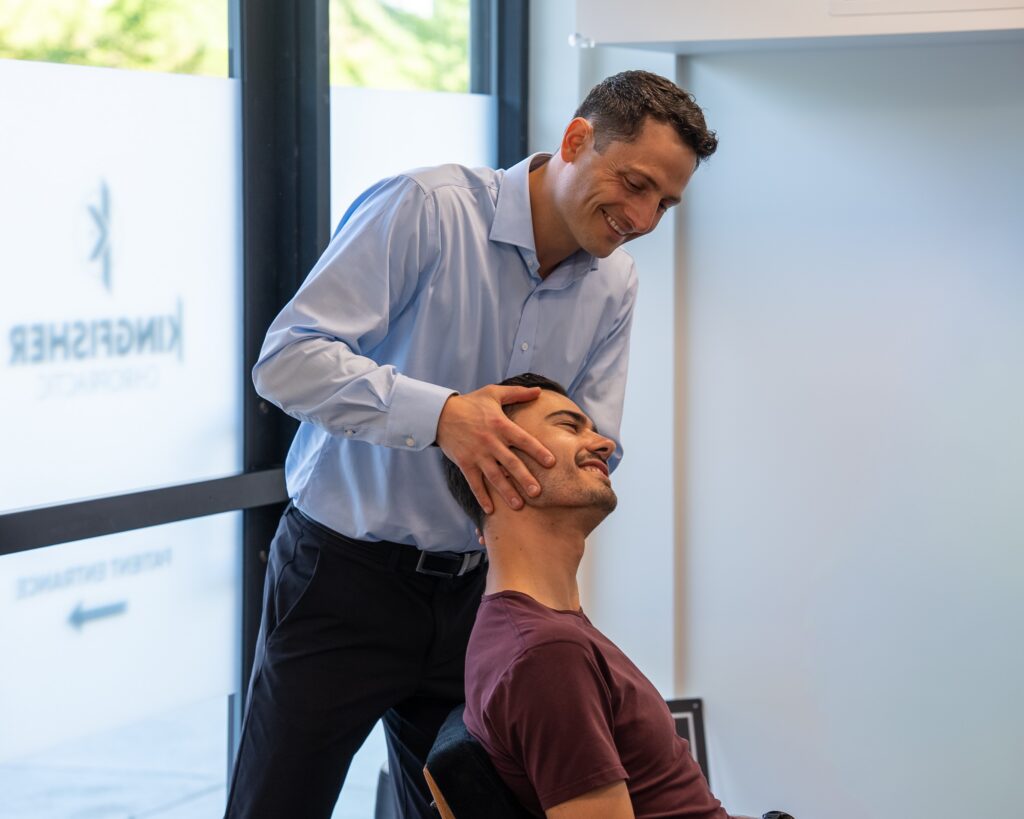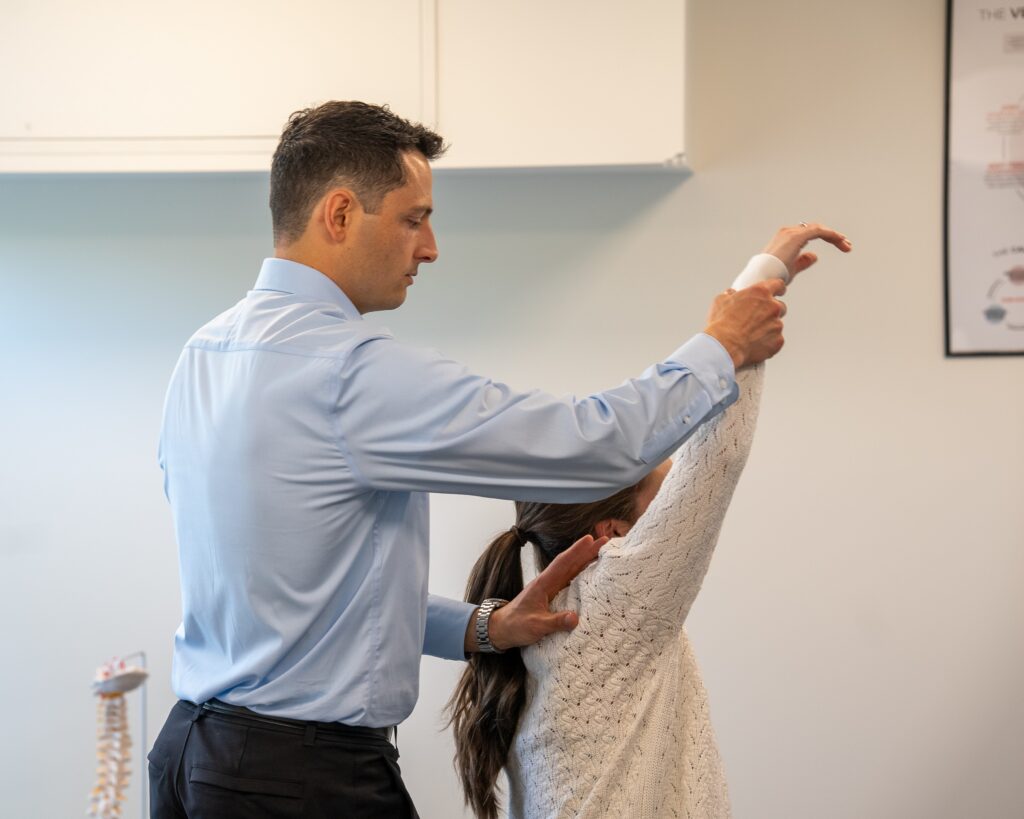

Enhancing your flexibility is an achievable goal that can greatly improve your overall health and well-being. As a chiropractor, I believe that incorporating simple techniques into your daily routine can help you achieve this without the need for medications or surgeries. A few effective strategies include gentle stretching, dynamic warm-ups, and the use of foam rolling, all of which can enhance your range of motion and mobility.
However, there’s so much more to flexibility than just these basics. It’s important to understand the principles behind movement and how your spine plays a vital role in maintaining flexibility. A well-aligned spine is crucial for optimal nerve function and overall body mechanics, which can lead to improved flexibility.
Here are some practical tips to help you on your journey to better flexibility:
- Gentle Stretching: Incorporate simple stretches into your daily routine. Focus on areas that feel tight, and remember to breathe deeply as you stretch. This not only helps to relax your muscles but also promotes better spinal alignment.
- Dynamic Warm-Ups: Before engaging in any physical activity, perform dynamic warm-ups that involve movement. This can include leg swings, arm circles, and torso twists. These exercises prepare your muscles and joints for movement, reducing the risk of injury.
- Foam Rolling: Using a foam roller can help release tension in your muscles and fascia. This self-myofascial release technique can improve blood flow and flexibility. Roll slowly over tight areas, and don’t forget to focus on your back and hips—key areas for spinal health.
- Chiropractic Care: Regular visits to a chiropractor can significantly enhance your flexibility. Chiropractic adjustments help align the spine, allowing your nervous system to function optimally and promoting better mobility. Your chiropractor can also provide personalized stretches and exercises tailored to your specific needs.
- Listen to Your Body: Pay attention to how your body feels during stretching and movement. If something doesn’t feel right, it’s important to stop and assess. Gentle movements should never cause pain; if they do, consult with your chiropractor for guidance.
By integrating these strategies into your life, you can work towards achieving your flexibility goals while supporting your spinal health. Remember, a healthy spine is the foundation for a healthy body, and chiropractic care is a natural and effective way to enhance both.
Key Takeaways
Enhance Your Flexibility with These Simple Techniques
As a local chiropractor, I want to share some effective ways to enhance your flexibility, which is crucial for overall health and wellness. Here are some straightforward techniques you can easily incorporate into your daily routine:
- Start with simple stretching techniques like neck stretches and seated butterfly stretches. These movements can gradually improve your flexibility and help alleviate tension in your muscles, promoting better spinal health.
- Before engaging in any physical activity, it’s beneficial to include dynamic warm-ups. Try leg swings and walking lunges to prepare your muscles, increase blood flow, and enhance your range of motion. This will not only help with flexibility but also reduce the risk of injury.
- Practicing yoga regularly is another fantastic way to improve flexibility while also focusing on deep breathing. Begin with gentle poses and allow yourself to relax. Yoga not only helps your body stretch but also promotes a calm mind, which is essential for your overall well-being.
- After your workouts, consider using foam rolling to release muscle tension. This technique can aid in recovery and improve your flexibility by targeting tight areas and helping your body heal naturally.
- Establishing a consistent routine is key. Set clear goals for your flexibility journey, and track your progress. This will help you stay motivated and ensure that you’re continuously improving. Remember, chiropractic care can also support your flexibility goals by aligning your spine and enhancing your body’s natural healing abilities.
By incorporating these simple techniques and considering chiropractic care as part of your wellness journey, you can achieve optimal health and enjoy a more flexible, pain-free life.
Understanding the Importance of Flexibility
Flexibility is a crucial element of overall health and well-being, and as your local chiropractor, I want to emphasize how it can significantly benefit your daily life. Maintaining good flexibility enhances your range of motion, making everyday activities—like bending, reaching, or twisting—easier and more enjoyable. This is vital, as our bodies are constantly engaged in various movements throughout the day. Improved flexibility can help prevent injuries by allowing your muscles and joints to move more freely and efficiently.
In addition to injury prevention, increased flexibility can alleviate muscle tension, which in turn reduces stress and promotes relaxation. A flexible body often leads to better posture, positively impacting your overall body alignment. When your spine is well-aligned, it can improve your overall health and help you feel more energetic.
As you incorporate flexibility training into your routine—such as gentle stretching or yoga—you might also notice enhancements in your athletic performance. Whether you’re playing sports or engaging in recreational activities, flexibility plays a vital role in how well your body performs.
Chiropractic care is an excellent way to support and improve your flexibility. Regular adjustments can help ensure that your spine and joints are functioning optimally, allowing your body to move freely. Here are a few simple tips to boost your flexibility and overall wellness:
- Warm Up Before Stretching: Always engage in light physical activity to warm up your muscles before stretching. This helps prevent injury and enhances flexibility.
- Stay Consistent: Incorporate stretching into your daily routine. Even just a few minutes a day can make a significant difference over time.
- Listen to Your Body: Be mindful of your body’s limits and avoid pushing yourself too hard. Gentle and gradual stretching is key.
- Consider Chiropractic Care: Regular visits to your chiropractor can help maintain proper alignment and enhance your flexibility, leading to better overall health.
Prioritizing flexibility through natural methods like chiropractic care can lead to a healthier, more active lifestyle. Embrace flexibility as an indispensable part of your wellness journey, and you’ll feel the difference in your everyday life.
Simple Stretching Techniques for Daily Use
Daily stretching should be an essential part of your routine if you want to enhance your flexibility, support your spinal health, and promote overall well-being. As a chiropractor, I can’t emphasize enough how important it’s to keep your body limber and aligned to prevent pain and discomfort.
Let’s begin with a simple neck stretch: gently tilt your head to one side, holding for 15 seconds, then switch sides. This helps relieve tension in your neck, which is crucial for maintaining proper spinal alignment.
Next, try a standing quadriceps stretch. Grab your ankle behind you and pull it towards your glutes, holding for 20 seconds on each leg. This not only stretches your quads but also encourages proper posture and lower back support.
For your back, sit on the floor, extend your legs, and reach for your toes, holding for 30 seconds. This stretch can help alleviate tension in your spine. Another great option is the seated butterfly stretch; sit with your soles together and gently press your knees toward the floor. This opens up your hips and can improve your overall mobility.
Throughout each stretch, remember to breathe deeply. Proper breathing allows your body to relax and enhances the effectiveness of each stretch. Incorporating these techniques into your daily routine—whether in the morning or after a long day—can significantly contribute to your flexibility and help you feel more aligned and energized.
Consistency is key! Regular stretching, combined with chiropractic care, can lead to better posture, reduced pain, and a more vibrant quality of life. Make it a priority to listen to your body and give it the care it deserves. If you ever experience pain or discomfort, don’t hesitate to seek chiropractic care for a natural, effective approach to healing and wellness.
Incorporating Dynamic Warm-Ups
To enhance your flexibility and overall well-being, incorporating dynamic warm-ups into your routine can be incredibly beneficial. These warm-ups not only prepare your muscles and joints for activity but also promote optimal health by boosting your performance and reducing the risk of injury. By engaging in dynamic movements, you increase blood flow and activate the muscles you’ll use during your workout, which is essential for a healthy spine and body.
Here are some simple dynamic warm-up exercises that you can easily include in your routine:
- Leg Swings: Stand on one leg and swing the other leg forward and backward. This exercise helps to loosen up your hips and improve your range of motion.
- Arm Circles: Extend your arms out to the sides and make small circles, gradually increasing the size. This movement is great for warming up your shoulders and maintaining spinal health.
- Walking Lunges: Step forward into a lunge, alternating legs as you move. This exercise engages multiple muscle groups and supports proper alignment of your spine.
- High Knees: Jog in place while driving your knees up toward your chest. This gets your heart rate up and prepares your body for physical activity while promoting good posture.
Incorporating these exercises into your routine not only helps with flexibility but also supports your body’s natural healing processes. As a chiropractor, I believe that taking care of your spine and muscles through such warm-ups is key to maintaining a healthy lifestyle.
Utilizing Foam Rollers for Muscle Recovery
Using a foam roller can significantly support your muscle recovery after workouts, complementing the benefits of chiropractic care. By integrating foam rolling into your routine, you can help alleviate muscle soreness and enhance flexibility, both of which are essential for your overall well-being.
When you roll over tight or tender areas, you’re applying gentle pressure that assists in releasing knots and tension in your muscles. This can be particularly helpful for addressing discomfort that may arise from misalignments in the spine or other areas of the body.
To get started with foam rolling, find a comfortable space and position the foam roller under the muscle group you want to target—such as your calves, thighs, or back. Slowly roll back and forth, allowing the roller to ease any tight spots. Spend about 30 seconds on each area, paying extra attention to the most sensitive points.
It’s advisable to incorporate foam rolling after your workouts or on your rest days to promote recovery. As you roll, remember to breathe deeply and relax; this will enhance the effectiveness of the process. Regular foam rolling can’t only lead to fewer injuries but also improve your performance, making it an excellent addition to your recovery routine alongside chiropractic care.
Chiropractic care focuses on restoring spinal alignment and optimizing your body’s natural healing capabilities. By maintaining a balanced spine and utilizing techniques like foam rolling, you can achieve better overall health and wellness. Always consult with your chiropractor for personalized advice on combining foam rolling with your treatment plan to maximize your recovery and health benefits.
The Benefits of Yoga for Flexibility
Yoga can be an excellent addition to your wellness routine, particularly when it comes to enhancing flexibility and promoting overall spinal health. Through various poses, yoga helps increase your range of motion, which is crucial for maintaining good posture and spinal alignment.
Improved flexibility can also aid in muscle recovery after workouts, making it a valuable practice for anyone looking to support their body naturally.
As a chiropractor, I encourage you to consider how yoga complements chiropractic care. While chiropractic adjustments focus on aligning the spine to relieve pain and promote optimal function, yoga can enhance your overall health by improving flexibility and reducing tension in the muscles surrounding the spine.
This combination can lead to greater comfort and mobility in your daily life.
Here are a few tips to incorporate yoga into your routine for better flexibility and spinal health:
- Start Slow: If you’re new to yoga, begin with gentle poses and gradually increase the intensity. Listen to your body and never push beyond your comfort level.
- Focus on Breathing: Deep, controlled breathing can help you relax and improve your range of motion during yoga practice.
- Incorporate Stretching: Simple stretches, such as forward bends and side stretches, can greatly enhance your flexibility and are often integrated into yoga routines.
- Stay Consistent: Regular practice is key. Aim for a few sessions each week to see significant improvements in your flexibility and overall well-being.
- Consult Your Chiropractor: Before starting a new exercise routine, including yoga, it’s wise to discuss it with your chiropractor. They can provide personalized guidance based on your specific health needs and goals.
Increased Range of Motion
Improving your flexibility is essential for enhancing your range of motion, and one of the best ways to achieve this is through chiropractic care. By focusing on spinal health and alignment, chiropractic care can help your body move more freely, reducing stiffness and discomfort.
When your spine is aligned properly, it allows your muscles and joints to function optimally, which can significantly reduce the risk of injury.
Here are some key benefits of chiropractic care for your range of motion:
- Enhanced muscle elasticity: Chiropractic adjustments can help lengthen and relax your muscles, allowing them to work more efficiently.
- Joint mobility: Regular chiropractic visits improve flexibility in your joints, promoting better movement and reducing pain.
- Reduced stiffness: Consistent chiropractic care alleviates tightness, making everyday activities easier and more comfortable.
- Increased overall performance: A greater range of motion can enhance your ability to participate in various physical activities, from sports to daily tasks.
In addition to chiropractic care, here are some general tips to improve your flexibility:
- Stay Active: Engage in regular physical activity to keep your muscles and joints healthy.
- Stretch Regularly: Incorporate gentle stretching into your daily routine to maintain and enhance flexibility.
- Stay Hydrated: Drinking plenty of water supports muscle function and overall joint health.
- Listen to Your Body: Pay attention to any discomfort and consider visiting your chiropractor for a personalized approach to your care.
Embrace chiropractic care as a natural way to improve your flexibility and watch your range of motion soar!
Improved Posture Alignment
When you incorporate chiropractic care into your wellness routine, you not only enhance your spinal health but also promote better posture alignment. Regular chiropractic adjustments help to realign your spine, ensuring that your body functions optimally. By addressing misalignments, or subluxations, in your spine, chiropractic care strengthens the muscles that support your posture and encourages awareness of your body mechanics.
In addition to adjustments, there are simple exercises and stretches that can help improve your posture. Strengthening your core, back, shoulders, and abdomen is essential for supporting your spine and maintaining proper alignment throughout the day. For example, engaging in gentle stretches or performing core-strengthening exercises can alleviate discomfort and tension, allowing you to feel more comfortable in your daily activities.
Improved posture not only helps relieve pain but also enhances your overall confidence, enabling you to stand taller and project a positive presence in both your personal and professional life. Remember, regular visits to your chiropractor can help you achieve optimal health and wellness, empowering you to live a more vibrant life without the need for surgeries or medications. Embrace chiropractic care as a natural and effective approach to achieving and maintaining a healthy posture.
Enhanced Muscle Recovery
Incorporating yoga into your routine can significantly enhance muscle recovery and flexibility, complementing the benefits of chiropractic care.
When you practice yoga regularly, you’ll likely notice positive changes in how your body feels and functions. Here are some key benefits that can support your overall wellness:
- Increased blood flow: Yoga poses can encourage better circulation, which helps deliver vital nutrients to sore muscles. This process is essential for recovery after physical activity, making it a great addition to your self-care routine alongside chiropractic adjustments.
- Reduced muscle tension: Through focused stretching and breathing techniques, yoga can help alleviate tightness and discomfort in your muscles. This is especially beneficial if you’re experiencing muscle strain or tension as a result of your daily activities.
- Improved range of motion: Regular yoga practice enhances flexibility, which can lead to a better range of motion. This improved mobility not only supports your physical activities but also aligns well with the goals of chiropractic care, helping you move more freely and comfortably in your everyday life.
- Stress relief: Yoga encourages relaxation and mindfulness, which can help your body recover more quickly from physical exertion. Managing stress is crucial for overall health, and when paired with chiropractic care, it can lead to a more holistic approach to wellness.
Incorporating yoga into your routine is a wonderful way to support your body’s natural healing processes.
Remember, while yoga can be incredibly beneficial, regular visits to your chiropractor can further enhance your recovery and overall well-being. Consider discussing your yoga practice with your chiropractor to ensure you’re getting the most out of both therapies.
Embrace these practices for a healthier and more balanced life!
Tips for Maintaining Consistency
To maintain consistency in your flexibility journey, it’s essential to start by setting clear and achievable goals that inspire you. Establishing a routine not only keeps you on track but also makes it easier to integrate flexibility exercises into your daily life. Remember, these exercises can greatly benefit your spinal health and overall well-being.
Tracking your progress is crucial; it won’t only hold you accountable but also illustrate how far you’ve come in your flexibility journey. This is particularly important in chiropractic care, where improvement is often linked to better alignment and reduced pain.
Incorporating gentle stretching and flexibility work into your day can enhance your body’s natural healing processes and support your spine’s health. Always listen to your body and consult with your chiropractor for personalized advice that aligns with your wellness goals. Embrace a healthier lifestyle by prioritizing flexibility and spinal care—it’s a fantastic way to achieve optimal health without the need for surgeries or medications.
Set Clear Goals
Setting clear goals is essential for maintaining consistency in your flexibility routine, especially when it comes to supporting your overall health and wellness through chiropractic care. Having specific targets acts like a roadmap, guiding you towards better spinal health and natural healing.
When you establish concrete goals, it becomes easier to stay motivated and witness your progress. Here are some practical tips to help you set effective goals that align with your journey toward optimal health:
- Be specific: Instead of a vague goal like “I want to be more flexible,” aim for a clear target, such as “I want to touch my toes within a month.” This clarity helps you focus on what you want to achieve.
- Make them measurable: Incorporate timelines and milestones to track your improvements. For example, you could aim to increase your range of motion by a certain percentage within a set timeframe.
- Start small: Break larger goals into manageable steps. This approach prevents feelings of overwhelm and allows you to celebrate small victories along the way, which can be very motivating.
- Stay realistic: Set achievable goals that take into account your current flexibility level and daily routine. Remember, progress takes time, and chiropractic care can support you in this journey by enhancing your body’s natural ability to heal and adapt.
Establish a Routine
Establishing a consistent routine is crucial for enhancing your flexibility and achieving your wellness goals, especially when it comes to maintaining a healthy spine. As a chiropractor, I believe that integrating stretching and mobility exercises into your weekly schedule can significantly improve your overall well-being.
Start by dedicating specific times each week solely for these exercises. Pick a quiet location where you can focus without distractions. This will help you get the most out of your routine. Incorporate a variety of stretches that target different muscle groups, which not only prevents boredom but also promotes overall flexibility in your body, including your spine.
Before you start your stretching, remember to warm up! A few minutes of light activity, like walking or gentle movements, can prepare your muscles and protect your spine from injury. As you build this habit, listen to your body—if something feels uncomfortable, adjust your routine accordingly to avoid strain.
Additionally, think about pairing your flexibility exercises with other wellness practices, such as mindfulness or staying hydrated. These holistic approaches can enhance your health and complement the benefits of chiropractic care.
Track Your Progress
Track Your Progress for Optimal Health
Regularly tracking your progress is crucial for maintaining consistency in your flexibility journey, which can significantly contribute to your overall well-being. By observing your achievements, you’ll not only stay motivated but also gain a clearer understanding of how far you’ve come in your pursuit of health. Here are some effective ways to track your progress while keeping your spine and body aligned:
- Keep a Journal: Document your daily routines, including stretches and exercises. Take note of how your body feels after each session, as this can help identify patterns and improvements in mobility and comfort.
- Take Photos: Capture images of your poses over time. This visual record can be a powerful motivator and help you see the positive changes in your flexibility and posture.
- Set Milestones: Divide your goals into smaller, manageable milestones. Celebrate these achievements, as they can provide a sense of accomplishment and inspire you to continue your journey toward better health.
- Use an App: Consider using fitness apps designed to log your stretches and monitor progress. Many of these tools can offer reminders, tips, and insights that align with your health goals, making it easier to stay on track.
Nutrition’s Role in Muscle Health
Fueling your body with the right nutrients is essential for maintaining muscle health, especially when considering how it relates to your overall wellness and spinal health. A balanced diet rich in protein, healthy fats, and carbohydrates supports not just muscle repair and growth, but also the function of your spine and nervous system.
Protein is particularly vital, as it provides the amino acids your muscles need to recover after workouts. Incorporating lean meats, fish, legumes, and dairy into your meals helps you meet your protein requirements effectively. This isn’t just about muscle health; strong muscles support your spine and can help prevent discomfort and injuries.
Don’t overlook the importance of healthy fats, like those found in avocados and nuts. These fats help reduce inflammation, which is beneficial for your joints and spinal health. Carbohydrates are your energy source, so including whole grains, fruits, and vegetables in your diet is essential. Not only do they fuel your workouts, but they also provide the nutrients needed for your body to function optimally.
Hydration plays a key role in muscle function as well. Drinking enough water ensures your muscles stay hydrated, which can enhance performance and recovery. It also supports spinal health by keeping the discs in your spine well-hydrated, helping to prevent pain and discomfort.
By prioritizing these nutritional elements, you’ll not only support your muscle health but also improve your flexibility and overall fitness. Remember, a healthy body contributes to a healthy spine, which is where chiropractic care comes in. Regular chiropractic adjustments can help ensure that your spine is properly aligned, allowing your body to function at its best.
Listening to Your Body: Avoiding Injury
Listening to Your Body: A Path to Natural Wellness
As a chiropractor, I emphasize the importance of tuning into your body’s signals while engaging in physical activity to prevent injuries and promote overall wellness. Ignoring signs like pain or fatigue can lead to setbacks in your health journey.
Here are some valuable tips to help you stay in tune with your body and embrace natural healing:
- Understand Pain: It’s crucial to differentiate between normal muscle soreness and sharp, persistent pain. If you experience anything beyond mild discomfort, it’s a sign to stop and reassess what your body needs. Remember, your body is communicating with you!
- Prioritize Breaks: When fatigue sets in, resist the urge to push through. Taking breaks isn’t a sign of weakness; it’s essential for recovery and helps prevent injuries. Listen to your body’s need for rest, as it’s during these moments that healing occurs.
- Incorporate Warm-Ups and Cool-Downs: These practices are vital in every workout routine. Warming up prepares your muscles for activity, while cooling down aids in recovery. Both practices support spinal health and enhance flexibility, making chiropractic care even more effective.
- Stay Hydrated: Adequate hydration is key to maintaining optimal body function. Dehydration can lead to cramps and fatigue, so ensure you’re drinking plenty of water before, during, and after your exercise sessions. Proper hydration supports spinal health and overall wellness.
By listening to your body and following these tips, you can promote natural healing and maintain a healthier lifestyle. Chiropractic care can further enhance your journey by addressing any underlying issues and supporting your body’s natural ability to heal.
Embrace these practices for a more balanced and pain-free life!
Conclusion
Incorporating simple techniques into your daily routine can significantly enhance your flexibility and overall mobility, especially when combined with regular chiropractic care. Gentle stretching, dynamic warm-ups, and yoga are excellent ways to improve your physical performance while also reducing the risk of injury.
As you engage in these practices, it’s essential to listen to your body’s signals. Staying hydrated is crucial for your muscles and joints, so make sure to drink plenty of water throughout the day. Remember, chiropractic adjustments can also help support your flexibility journey by ensuring your spine is aligned and your nervous system is functioning optimally.
With consistent practice and a focus on natural healing, you can achieve your flexibility goals and enjoy a healthier, more active lifestyle. Begin today, and experience the positive changes in your body!