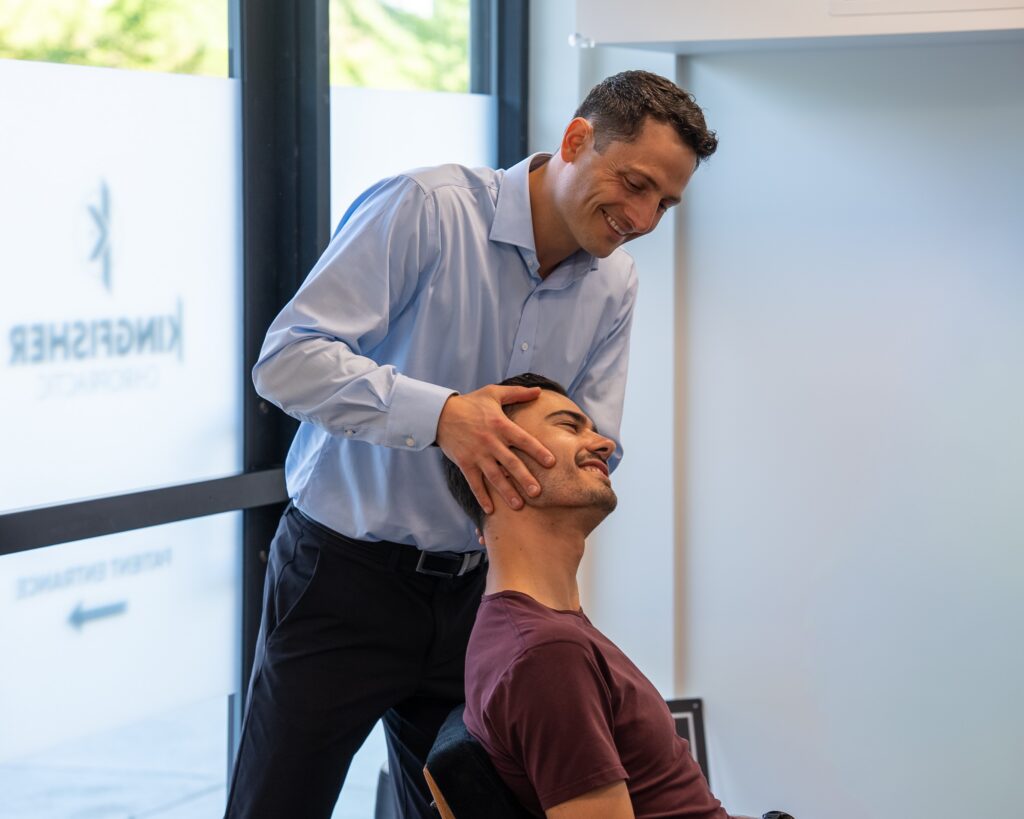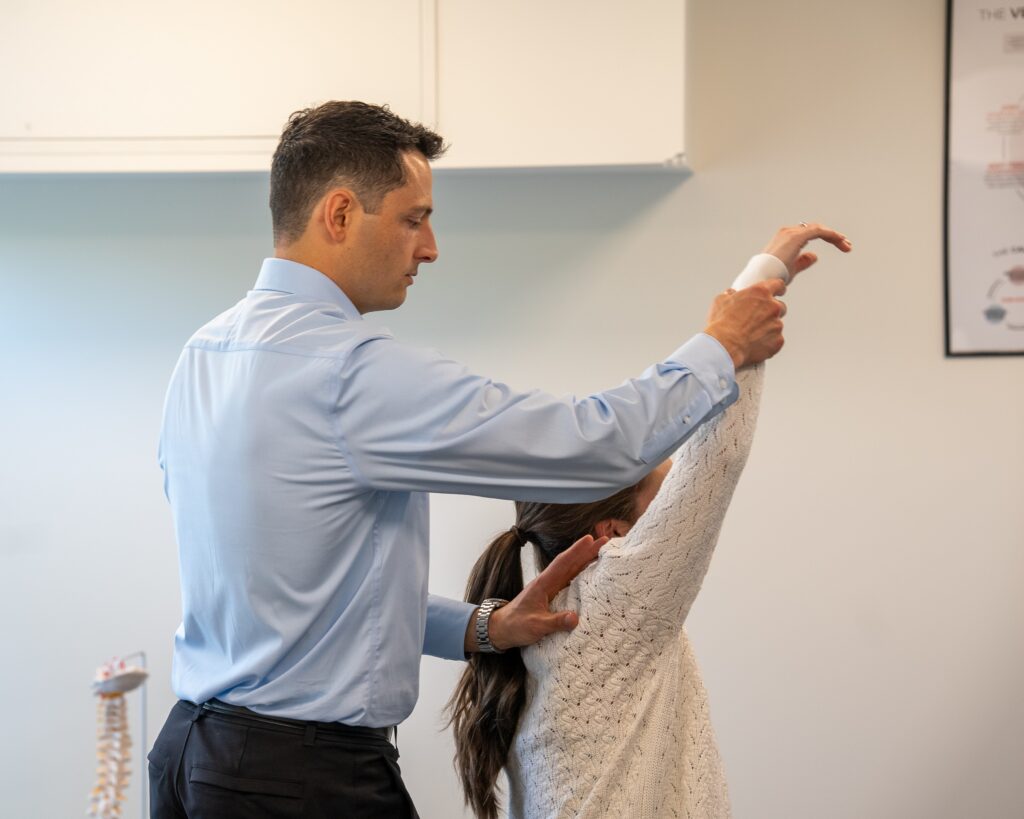

Improving your joint flexibility is essential for enhancing your overall physical performance and can significantly lower your risk of injury. As a chiropractor, I believe that incorporating a well-rounded approach that includes mobility exercises, strength training, and mindful recovery techniques can help you unlock your body’s full potential.
Understanding how these components work together is key to achieving lasting improvements. Incorporating gentle chiropractic adjustments can also play a vital role in promoting joint health and flexibility. These adjustments help realign your spine and joints, ensuring that your body functions optimally.
Curious about some practical strategies to improve your joint flexibility? Here are a few tips to consider:
- Regular Chiropractic Care: Routine visits to your chiropractor can help maintain proper alignment and function of your joints, which is crucial for flexibility.
- Gentle Stretching: Incorporate daily stretching routines that target your major muscle groups. Focus on slow, controlled movements to avoid strain.
- Strength Training: Engage in strength training exercises to support your joints. Strong muscles help stabilize and protect your joints, allowing for greater flexibility.
- Mindful Recovery: Don’t underestimate the power of rest and recovery. Make sure to give your body time to heal and recuperate, which can enhance flexibility over time.
- Stay Hydrated: Proper hydration is essential for joint health. Drinking enough water helps keep your joints lubricated and functioning well.
By integrating these strategies into your routine, you can enhance your joint flexibility and overall well-being. Remember, chiropractic care is a natural and effective way to support your journey towards optimal health and pain relief.
Key Takeaways
As a local chiropractor, I want to share some simple yet effective secrets to improve your joint flexibility and overall health. Here are some tips you can easily incorporate into your daily routine:
- Daily Stretching: Make stretching a part of your everyday life. Start with dynamic stretches before any physical activity to warm up your joints and muscles. After your activities, take time for static stretches to cool down and enhance flexibility. This routine can help keep your joints moving smoothly.
- Strength Training: Building strength around your joints is crucial. Engaging in strength training exercises not only supports your joints but also stabilizes them, making them more flexible and reducing the risk of injury. Consider working with a chiropractor to develop a personalized strength training program that suits your needs.
- Stay Hydrated: Drinking plenty of water—aim for at least eight glasses a day—helps keep your joints lubricated and functioning well. Proper hydration is essential for maintaining joint health and can play a role in reducing discomfort.
- Movement Breaks: Throughout your day, remember to take regular movement breaks. This practice helps prevent stiffness and promotes blood circulation in your joints. Even a short walk or some light stretching can make a big difference.
- Gentle Exercises and Chiropractic Care: Incorporating gentle exercises like yoga or Pilates alongside regular chiropractic care can significantly enhance your mobility and joint health. Chiropractic adjustments can help align your spine and improve your overall body function, making it easier for you to engage in these activities.
By integrating these simple strategies into your lifestyle, you’ll be on your way to achieving better joint flexibility and overall wellness. Remember, chiropractic care is a natural and effective way to support your health journey, helping you feel your best without the need for medications or surgeries. If you have any questions about how chiropractic care can benefit you, feel free to reach out!
Understanding Joint Flexibility and Its Importance
When considering your overall fitness, joint flexibility may not be the first thing that comes to mind, but it’s vital for your daily movement and overall well-being.
Flexibility allows your joints to move through their full range of motion, making everyday activities—like bending down to tie your shoes or reaching for something on a high shelf—easier and more efficient.
When your joints are flexible, you not only enhance your mobility but also significantly reduce the risk of injury and strain during physical activities.
As a chiropractor, I want to emphasize that good joint flexibility can also lead to better posture and alignment.
Maintaining proper posture can alleviate discomfort and pain, which is essential for a healthy spine and overall wellness.
By focusing on improving your joint flexibility, you can make everyday tasks feel less strenuous and improve your quality of life.
Here are some simple tips to enhance your joint flexibility naturally:
- Incorporate Stretching into Your Routine: Gentle stretching exercises can help improve flexibility. Simple movements like reaching your arms overhead or bending forward to touch your toes can make a big difference.
- Stay Active: Regular physical activity, such as walking, swimming, or yoga, promotes joint health and keeps your muscles flexible.
- Listen to Your Body: Pay attention to how your body feels during movement. If you notice stiffness or discomfort, consider consulting with a chiropractor. They can offer personalized advice and adjustments to help improve your joint function.
- Focus on Core Strength: A strong core supports your spine and joints, leading to better overall movement. Exercises like planks and bridges can strengthen your core, enhancing your flexibility.
- Stay Hydrated: Proper hydration is essential for maintaining healthy joints. Water helps lubricate your joints, making movement smoother.
By understanding the importance of joint flexibility and taking steps to improve it, you can enhance your physical health and overall wellness.
Chiropractic care is an excellent choice for promoting natural healing and achieving optimal health.
If you have any questions or need personalized guidance, don’t hesitate to reach out.
Your journey to better health starts with understanding and caring for your body!
The Role of Stretching in Improving Flexibility
Stretching is an essential practice for enhancing flexibility, and it’s something I encourage you to make a regular part of your wellness routine. By incorporating both dynamic and static stretches, you can improve the range of motion in your joints and the overall flexibility of your muscles, which is vital for maintaining a healthy spine and body.
Dynamic stretches, which are best performed before physical activity, help warm up your muscles and prepare them for movement. This can also help reduce the risk of injury during your activities. On the other hand, static stretches are beneficial after your workout, as they help lengthen and relax your muscles, promoting better recovery.
Consistent stretching not only helps to alleviate tightness in your muscles but also enhances blood flow throughout your body. This increased circulation is important for recovery and can significantly lower your risk of injury or discomfort. As a chiropractor, I often see the benefits of stretching in my patients, as it contributes to better spinal alignment and overall joint health.
To get the most out of your stretching routine, remember to focus on consistency. Make stretching a daily habit, even if it’s just for a few minutes, and you’ll likely notice improvements in both your flexibility and your overall wellness. Here are a few simple tips to help you get started:
- Start Slowly: If you’re new to stretching, ease into it. Listen to your body and avoid pushing yourself too hard.
- Incorporate Breath: Deep, steady breathing while stretching can help you relax and get the most out of each stretch.
- Stay Hydrated: Drinking plenty of water supports muscle function and recovery.
- Focus on Key Areas: Pay special attention to areas that feel tight, especially your back, hips, and legs.
- Consult with a Chiropractor: If you’re experiencing pain or discomfort, a chiropractor can provide personalized guidance and adjustments to ensure your body is functioning optimally.
Effective Warm-Up Techniques for Better Mobility
Warm up your body effectively to enhance mobility and prepare for physical activity, while also supporting your spine and overall well-being.
Start with dynamic stretches, such as arm circles and leg swings, to get your blood flowing and improve your range of motion. Spend about 5-10 minutes on these movements, focusing on the areas you’ll be using most, as this can help prevent discomfort and support spinal health.
Incorporate light aerobic activity, like jogging in place or jumping jacks, to elevate your heart rate and warm up your muscles.
This brief cardio session not only helps to prepare your body for movement but also reduces the risk of injury, allowing your spine and joints to function optimally.
Don’t forget to include joint-specific movements; gently rotate your wrists, ankles, and hips to lubricate your joints.
Pay attention to your body; if something feels tight, take a moment to focus on loosening that area.
Remember, maintaining flexibility and mobility is key to supporting your spine and preventing pain.
By integrating these warm-up techniques into your routine, you can enhance your physical performance and promote natural healing.
Chiropractic care complements these practices by addressing any misalignments and ensuring your body is functioning at its best, paving the way for a healthier, pain-free life.
Incorporating Strength Training for Joint Support
Strength training isn’t just for building muscle; it plays a crucial role in supporting your joints and overall spinal health. As a chiropractor, I want to emphasize how strengthening your muscles can lead to better flexibility and stability, allowing for smoother and safer movements. This is especially important for maintaining a healthy spine and preventing injuries.
By integrating specific strength training exercises into your routine, you can enhance your joint support and improve your body’s natural alignment. Here are some benefits of strength training for joint health:
- Increased Stability: Stronger muscles around your joints provide better support, reducing the risk of injuries and pain. This stability helps your spine stay properly aligned, which is essential for overall health.
- Enhanced Flexibility: Strength training can improve your range of motion, making it easier for you to perform daily activities. This flexibility is vital for maintaining a healthy spine and preventing stiffness.
- Pain Relief: Many patients find that incorporating strength training into their routine helps alleviate pain, particularly in the back and joints. By strengthening the muscles that support your spine, you can reduce pressure on your joints and improve your comfort.
Here are some simple strength training exercises you can try at home to support your joints:
- Bodyweight Squats: Stand with your feet shoulder-width apart and lower your body as if sitting back into a chair. This exercise strengthens your legs and stabilizes your knees.
- Planks: Start in a push-up position, resting on your forearms. Keep your body straight and engage your core. This exercise strengthens your abdomen and back, which is crucial for good spinal alignment.
- Wall Push-Ups: Stand a few feet from a wall and place your hands on it at shoulder height. Lean in and push back to strengthen your upper body and improve shoulder stability.
As you incorporate these exercises, remember to listen to your body and consult with your chiropractor for personalized guidance. Chiropractic care can help ensure that your spine and joints are properly aligned, enhancing your strength training efforts and promoting natural healing.
Benefits of Strength Training
Incorporating strength training into your routine can significantly enhance joint support and flexibility, which are crucial for maintaining a healthy spine and overall well-being. When you build muscle around your joints, you create a natural cushion that helps stabilize them, reducing the risk of injury and discomfort. Stronger muscles contribute to better balance, making daily activities smoother and less strenuous on your joints and spine.
To maximize these benefits, consider combining strength training with chiropractic care. Regular chiropractic adjustments can help ensure that your spine and joints are properly aligned, allowing your body to function optimally as you strengthen it. This alignment also promotes better range of motion, making it easier to engage in strength exercises and improving your overall physical performance.
Moreover, strength training can boost your metabolism, which aids in weight management. Maintaining a healthy weight is essential for alleviating pressure on your joints and spine, further enhancing your comfort and mobility. By committing to a regular strength training regimen and pairing it with chiropractic care, you can support your joints, improve your physical performance, and elevate your quality of life.
Here are some helpful tips to get started with strength training safely:
- Start Slow: If you’re new to strength training, begin with lighter weights or resistance bands to avoid strain. Gradually increase the intensity as you become more comfortable.
- Focus on Form: Proper form is key to preventing injury. Consider working with a trainer or chiropractor to learn the correct techniques.
- Listen to Your Body: Pay attention to how your body feels during and after workouts. If you experience pain (not to be confused with muscle soreness), consult your chiropractor for guidance.
- Combine with Mobility Work: Incorporate stretching and mobility exercises into your routine to maintain flexibility and support joint health.
- Stay Consistent: Aim for regular strength training sessions, ideally 2-3 times a week, to see the best results over time.
Key Exercises for Flexibility
To enhance joint flexibility while supporting your overall strength, certain exercises can make a significant difference, especially when paired with chiropractic care. Chiropractic adjustments can help align your spine and improve your overall mobility, which can further enhance the benefits of flexibility exercises.
Start with lunges to increase hip flexibility and strength; try holding each lunge for 20-30 seconds. This movement not only stretches your muscles but also helps build strength around your joints, making them more stable. Incorporating resistance bands into your routine for lateral leg raises can also be beneficial. This exercise helps develop hip stability and flexibility, which is essential for proper movement and injury prevention.
Don’t overlook plank variations; they’re excellent for strengthening your core while promoting shoulder and wrist flexibility. A strong core supports your spine and overall posture, which is crucial for maintaining good health.
Finally, integrating yoga poses like downward dog can provide full-body flexibility and strength, making it a wonderful addition to your routine.
The Benefits of Yoga and Pilates for Flexibility
Yoga and Pilates are excellent practices for improving your flexibility and stability, which can play a significant role in maintaining a healthy spine. By integrating these exercises into your routine, you can experience increased range of motion and better support for your joints, which can help alleviate discomfort and prevent injuries.
While these practices are beneficial, it’s important to remember that chiropractic care is essential for achieving optimal health. A chiropractor can help address any underlying spinal issues, ensuring that your body functions at its best. Regular chiropractic adjustments can promote proper alignment and enhance the benefits you receive from yoga and Pilates.
To get the most out of your flexibility training, consider these tips:
- Warm Up: Always start with a gentle warm-up to prepare your muscles and joints, reducing the risk of injury.
- Listen to Your Body: Pay attention to how your body feels during exercises. If something doesn’t feel right, it’s important to stop and consult a professional.
- Stay Consistent: Practice yoga and Pilates regularly to see continuous improvement in flexibility and strength.
- Incorporate Chiropractic Care: Regular visits to your chiropractor can help maintain spinal health and enhance your overall wellness, making your flexibility training more effective.
By prioritizing chiropractic care alongside your yoga and Pilates practice, you’ll set yourself on a path to better health, increased flexibility, and pain relief.
Improved Range of Motion
While many individuals experience stiffness and limited movement, incorporating chiropractic care into your wellness routine can significantly improve your range of motion.
As a chiropractor, I focus on natural healing methods that enhance your body’s ability to move freely. Regular adjustments can help align your spine and improve joint function, leading to a more active lifestyle.
Here are some benefits you can expect from chiropractic care:
- Increased flexibility: Chiropractic adjustments can help alleviate tension in your muscles and joints, making it easier to move and stretch in your daily activities.
- Improved posture: By aligning your spine and promoting proper posture, chiropractic care reduces strain on your body and enhances mobility, allowing you to stand and move with ease.
- Enhanced body awareness: Regular visits to a chiropractor can help you become more in tune with how your body moves, which is essential for preventing injuries and improving overall physical performance.
In addition to chiropractic adjustments, consider these tips to further enhance your range of motion:
- Stay active: Engage in regular physical activity that encourages movement, such as walking, swimming, or gentle stretching exercises.
- Listen to your body: Pay attention to any discomfort or stiffness and communicate with your chiropractor about your experiences.
- Practice relaxation techniques: Incorporating mindfulness, deep breathing, or meditation can help reduce tension in your muscles and promote a greater sense of well-being.
Enhanced Muscle Stability
Incorporating practices like yoga and Pilates into your daily routine can significantly enhance muscle stability, which is crucial for achieving optimal flexibility and overall well-being. These exercises emphasize core strength, body alignment, and the connection between movement and breath. By engaging in yoga and Pilates, you’ll develop better control over your muscles, allowing them to support your joints effectively. This added stability can help reduce the risk of injury, giving you the confidence to stretch further and move more freely.
As a chiropractor, I can tell you that balanced muscle development is key to avoiding tension in any one area of your body. When your muscles work harmoniously together, you’ll find that everyday movements become easier and more fluid. Embracing these practices not only improves your physical capabilities but also complements the natural healing benefits of chiropractic care.
To enhance your muscle stability and flexibility at home, here are a few simple tips you can try:
- Start with Gentle Stretches: Incorporate gentle stretches into your morning routine to wake up your muscles and improve circulation.
- Focus on Your Core: Engage in exercises that strengthen your core, as a strong core supports your spine and helps maintain proper posture.
- Practice Mindful Breathing: Pair your movements with deep, mindful breathing. This can enhance relaxation and improve the effectiveness of your exercises.
- Listen to Your Body: Pay attention to how your body feels during exercise. If you experience discomfort, it’s important to modify your movements or consult a chiropractor for guidance.
- Consistency is Key: Make yoga or Pilates a regular part of your routine. Consistency will lead to gradual improvements in your muscle stability and flexibility.
Daily Habits to Enhance Joint Flexibility
To enhance your joint flexibility naturally, it’s important to incorporate specific habits into your daily routine. These practices not only benefit your joints but also promote overall mobility and well-being, which is key in maintaining a healthy spine.
Here are some effective habits that you can easily adopt:
- Dynamic stretching: Start your day with dynamic stretches such as arm circles or leg swings. These movements are a great way to warm up your joints and prepare them for the day ahead. By incorporating these stretches into your morning routine, you can help prevent stiffness and improve your range of motion.
- Consistent hydration: Staying well-hydrated is crucial for joint health. Drinking enough water helps keep your joints lubricated, which is essential for smooth movement. Aim for at least eight glasses of water a day; this simple habit can make a significant difference in how your body feels.
- Regular movement breaks: If you find yourself sitting for long periods, make it a point to take short breaks to stand, walk, or stretch. This practice keeps your joints engaged, reduces stiffness, and promotes better circulation. Remember, movement is key to maintaining flexibility and supporting your spine.
In addition to these habits, consider incorporating regular chiropractic care into your wellness routine. A chiropractor can help assess your joint function and provide personalized adjustments to enhance your mobility and alleviate discomfort.
Listening to Your Body: When to Push and When to Rest
Listening to your body is crucial for maintaining joint flexibility and overall health, especially when balancing activity and rest. It’s important to pay attention to any signs of discomfort or fatigue. If you experience sharp pain or excessive soreness, consider it a signal to slow down or take a break. Ignoring these signals can lead to injuries that may set back your progress.
On the other hand, if you feel strong and limber, that’s a perfect opportunity to safely challenge yourself with deeper stretches or more vigorous exercises. Strive to find that sweet spot where you’re engaging your joints effectively without overstraining them.
Incorporating rest days into your routine is vital for allowing your body to recover and rebuild. Remember, flexibility isn’t just about pushing limits; it’s about knowing when to ease off and giving your body the time it needs to heal.
Chiropractic care plays a significant role in supporting this process. Regular visits to your chiropractor can help ensure your spine and joints are aligned, reducing discomfort and enhancing mobility. With proper spinal alignment, you can improve your body’s overall function, making it easier to listen to what it needs.
Conclusion
Improving your joint flexibility is not just a goal—it’s a pathway to better overall health and wellness. As a local chiropractor, I want to emphasize the importance of maintaining a flexible body for a pain-free life. With consistent effort and mindfulness, you can achieve this by incorporating some simple practices into your daily routine.
Start with dynamic warm-ups to get your blood flowing and prepare your joints for movement. This can be as simple as gentle arm circles or leg swings. Next, consider targeted strength training that focuses on the muscles surrounding your joints. Building strength in these areas supports your joints and helps to prevent injuries.
Gentle stretching is also crucial. Take the time to stretch your muscles after your workouts or even during your breaks throughout the day. Remember, stretching should never be painful; it should feel good and help release tension.
Listening to your body is essential. Stay hydrated, as this helps keep your joints lubricated and functioning properly. Don’t forget to take breaks when needed to avoid overexertion. If you ever feel uncertain about how to improve your joint flexibility, seeking guidance from a chiropractor can be incredibly beneficial. We can provide personalized treatment plans that focus on natural healing and optimal wellness.
With dedication to these practices and the support of chiropractic care, you’ll unlock the secrets to better flexibility, enjoy a higher quality of life, and experience the pain relief that comes from a well-functioning body. Remember, your journey to better health starts with small, manageable steps.