Back Pain Causes: Understanding the Source of Your Discomfort
Back pain is one of the most common reasons people seek medical care — and if you're reading this, there's a good chance you've felt that familiar ache, stiffness, or sharp sensation that makes it hard to get through your day. The good news? Understanding what's actually causing your back pain is the first step toward feeling better. Here at Kingfisher Chiropractic in Bellingham, WA, Dr. Thomas Etue works with patients every week who are looking for real answers about why their back hurts and what they can do about it without relying on medication or surgery. This article is designed to give you a clear, honest look at the most common back pain causes — and how chiropractic care may be able to help.
What Is Back Pain, Exactly?
Back pain is discomfort, stiffness, or pain felt anywhere along the spine — from the neck to the lower back — and it can range from a dull, constant ache to a sudden, sharp sensation that limits your movement. It may be felt in the muscles, joints, discs, or nerves of the spine. Back pain can be acute (short-term, lasting days to weeks) or chronic (lasting more than three months). It's one of the leading causes of disability worldwide, according to the World Health Organization.
- What Is Back Pain, Exactly?
- The Most Common Back Pain Causes
- Understanding the Anatomy Behind Your Discomfort
- How Lifestyle Factors Contribute to Back Pain
- How Chiropractic Care Fits In
- Practical Tips to Protect Your Back Every Day
- When to See a Chiropractor
- Myths vs. Facts About Back Pain
- Final Thoughts
- Frequently Asked Questions
- TL;DR Summary
The Most Common Back Pain Causes
When patients come into Kingfisher Chiropractic in Bellingham, one of the first things Dr. Thomas Etue does is work to identify the root cause of their discomfort. That's because back pain is rarely a one-size-fits-all problem. There are several well-established back pain causes that chiropractors encounter regularly, and understanding them can help you better describe your symptoms and advocate for your own health.
Muscle and Ligament Strains
This is the most frequent culprit behind sudden back pain. When you lift something heavy using poor mechanics, twist awkwardly, or overexert yourself during physical activity, the muscles and ligaments supporting your spine can stretch beyond their limits. The result is inflammation, soreness, and stiffness — often concentrated in the lower back. Even something as routine as sneezing or bending over to pick up a sock can trigger a muscle strain if your spine isn't well-conditioned or properly aligned.
Herniated or Bulging Discs
Between each vertebra in your spine sits a soft, cushion-like disc that absorbs shock and allows movement. When the outer layer of one of these discs weakens or tears, the inner gel-like material can push outward — a condition known as a herniated or bulging disc. This can irritate or compress nearby nerves, causing pain that may radiate down into the buttocks, legs, or feet (a symptom often called sciatica). Disc issues are one of the more serious back pain causes, but they are frequently managed conservatively without surgery.
Spinal Misalignment (Vertebral Subluxation)
Chiropractic care places significant attention on the alignment of the vertebrae. When one or more vertebrae shift out of their optimal position — a condition chiropractors refer to as a subluxation — it can place pressure on surrounding nerves, reduce range of motion, and cause the muscles around the spine to compensate in ways that lead to chronic tension and pain. Poor posture, repetitive movements, old injuries, and even stress can all contribute to spinal misalignment over time.
Degenerative Disc Disease
As we age, the discs in our spine naturally lose some of their water content and elasticity. This gradual wear-and-tear process is called degenerative disc disease — though calling it a "disease" is a bit of a misnomer, as it's really a natural part of aging. It can cause stiffness, reduced flexibility, and intermittent pain, particularly in the lower back and neck. Here in Bellingham, Dr. Thomas Etue sees many patients who are dealing with age-related disc changes and helps them manage discomfort through conservative, non-invasive care.
Facet Joint Dysfunction
Your spine has small joints on either side of each vertebra called facet joints. These joints guide movement and provide stability. When they become irritated, inflamed, or restricted — due to injury, arthritis, or spinal stress — they can be a significant source of localized back pain. Facet joint dysfunction often causes pain that worsens with extension (bending backward) and may feel worse in the morning or after sitting for long periods.
Sacroiliac (SI) Joint Dysfunction
The sacroiliac joints connect your lower spine to your pelvis. When these joints become hypermobile (too loose) or hypomobile (too stiff), they can cause deep, nagging pain in the lower back and buttocks that's often mistaken for a disc problem. SI joint dysfunction is a commonly overlooked back pain cause, but it's something chiropractors are specifically trained to identify and address.
Understanding the Anatomy Behind Your Discomfort
The spine is a remarkable structure — 33 vertebrae stacked on top of one another, cushioned by discs, surrounded by muscles and ligaments, and housing the spinal cord that communicates between your brain and body. Because so many different structures exist in a relatively small area, back pain can originate from several sources simultaneously. That's why the same symptom — say, lower back pain — might have a very different cause from one person to the next.
The lumbar spine (lower back) is the most commonly affected region because it bears the most load and is involved in almost every movement you make throughout the day. The thoracic spine (mid-back) is more structurally stable due to the rib cage but can still develop tension and joint dysfunction. The cervical spine (neck) is highly mobile and vulnerable to postural strain. Understanding which region of the spine is involved is a key part of identifying back pain causes and creating an effective care plan.
How Lifestyle Factors Contribute to Back Pain
It's tempting to think of back pain as something that "just happens," but lifestyle plays a much bigger role than most people realize. Here in Bellingham, WA, many of the patients who visit Kingfisher Chiropractic lead active, busy lives — and sometimes the daily habits we don't think twice about are quietly contributing to our discomfort.
Prolonged sitting is one of the biggest contributors to back pain in modern life. When you sit for hours — especially in a chair that doesn't support your lumbar curve — the muscles supporting your spine fatigue and tighten, and the discs in your lower back experience sustained, uneven pressure. Even standing for long periods without proper footwear or support can cause problems over time.
Stress is another underappreciated factor. When we're mentally or emotionally stressed, we tend to hold tension in our muscles — particularly in the neck, shoulders, and lower back. Chronic stress can keep these muscles in a near-constant state of guarding, which eventually leads to pain and stiffness. Sleep position and mattress quality also matter more than many people expect. Sleeping on a mattress that doesn't support spinal alignment can reinforce poor positioning night after night, gradually contributing to back pain over time.
How Chiropractic Care Fits In
Chiropractic care is a non-invasive, drug-free approach to addressing many of the back pain causes discussed above. The American College of Physicians (ACP) recommends non-pharmacological treatments as a first-line option for managing back pain — and chiropractic care falls squarely within that category. Evidence from organizations like the NIH's National Center for Complementary and Integrative Health (NCCIH) suggests that spinal manipulation, one of the primary tools in a chiropractor's toolkit, can be effective for reducing pain and improving function in patients with back pain.
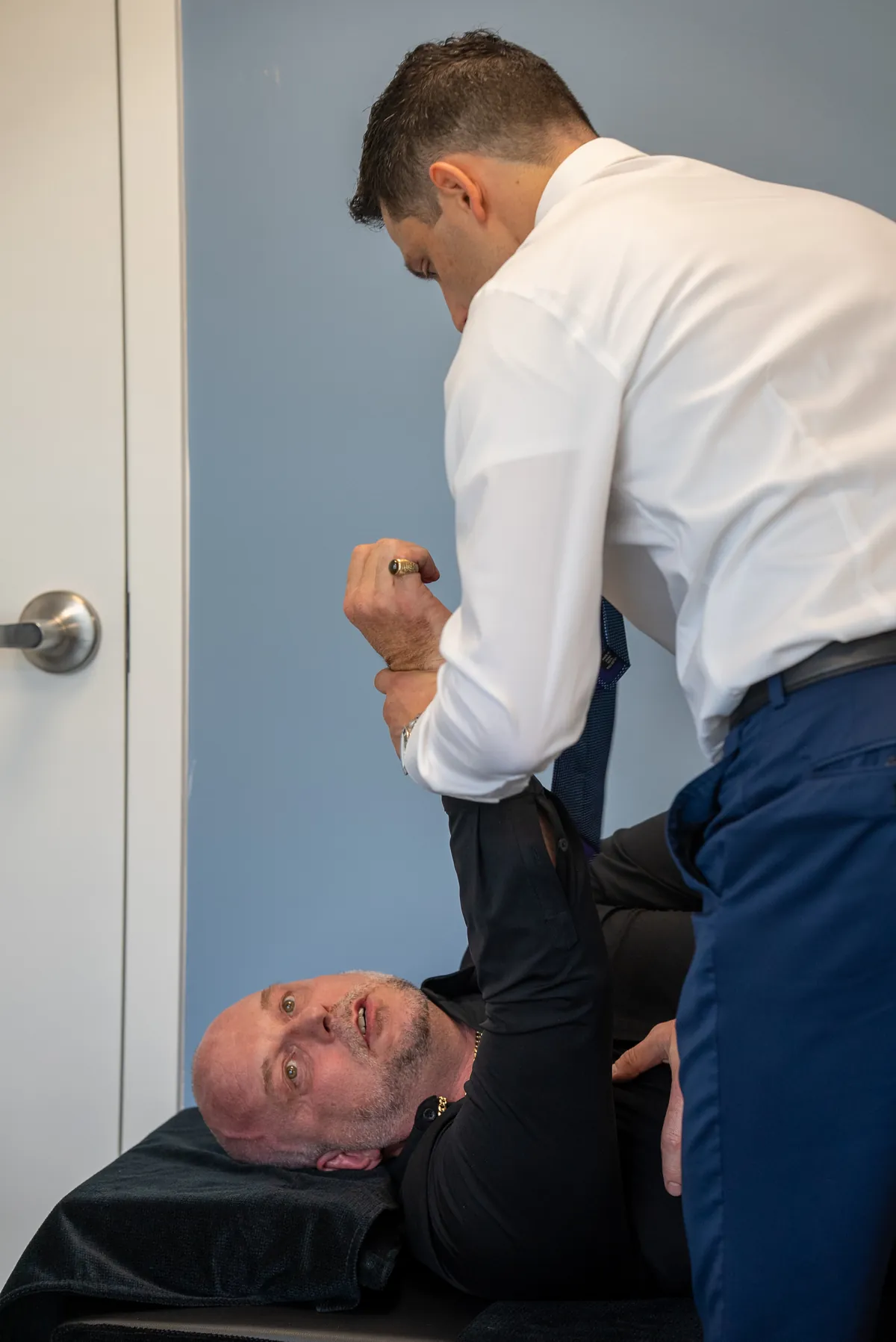
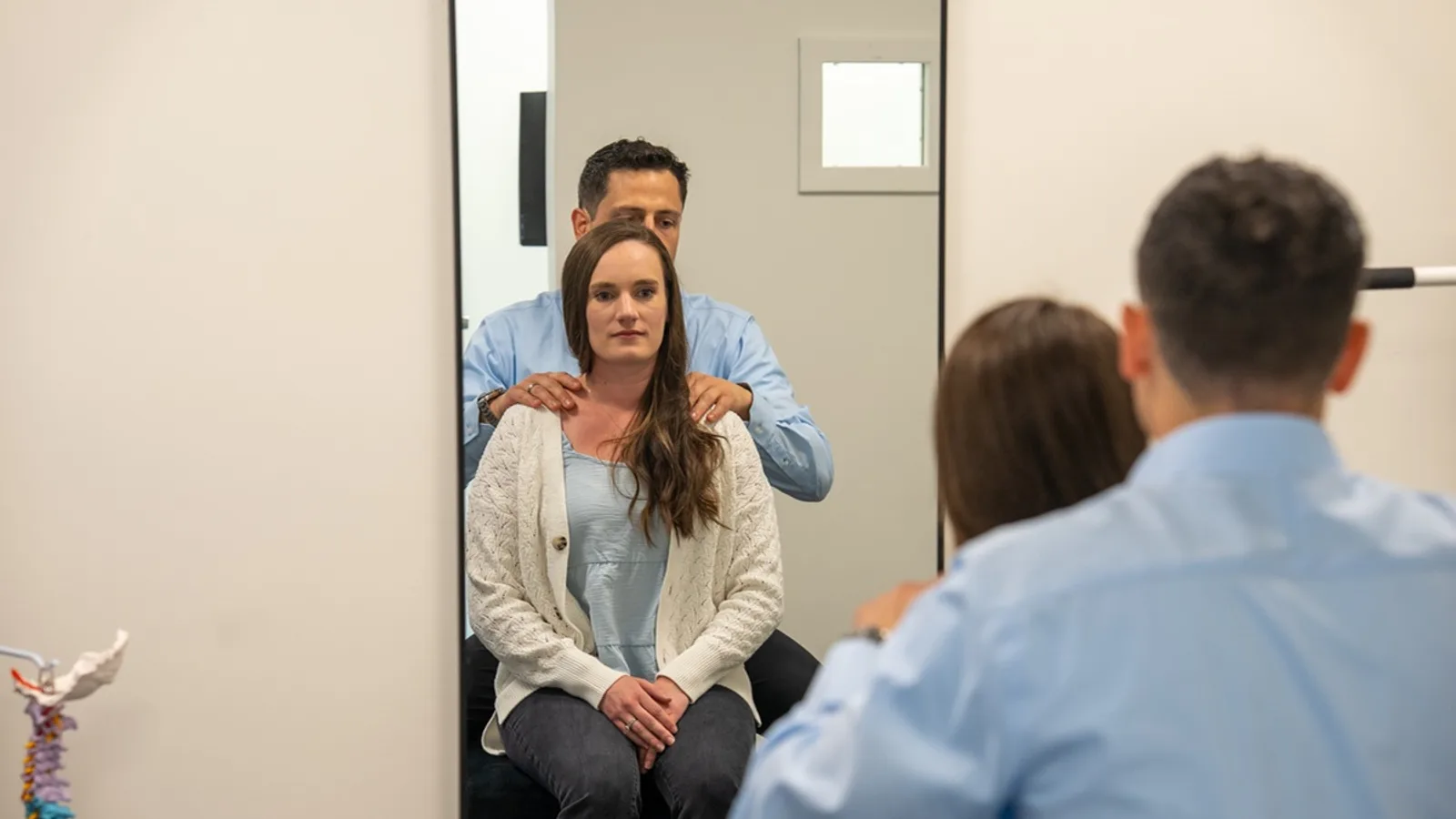
At Kingfisher Chiropractic in Bellingham, Dr. Thomas Etue takes a thorough, individualized approach to care. That means taking time to understand not just your symptoms, but the specific structures involved, your lifestyle, your history, and your goals. Care may include spinal adjustments to restore proper alignment and joint mobility, as well as guidance on movement, posture, and ergonomics to support your recovery and prevent recurrence.
What chiropractic care does especially well is address the mechanical causes of back pain — the way the spine moves, how joints function, how muscles are compensating. Rather than masking symptoms, the goal is to identify and correct underlying dysfunction so that your body can function more efficiently and comfortably over time.
Practical Tips to Protect Your Back Every Day
You don't have to wait until pain becomes unbearable to start taking care of your spine. Dr. Thomas Etue and the team at Kingfisher Chiropractic encourage patients to adopt small, consistent habits that add up to meaningful protection over time. Here are some evidence-informed strategies to support a healthier back:
Mind your posture during screen time. Whether you're at a desk or on your phone, try to keep your screen at eye level, your shoulders relaxed, and your lower back supported. Avoid slumping forward or craning your neck down — both of these positions place extra stress on the spine that accumulates quickly over hours of use.
Move often throughout the day. Sitting for extended periods without breaks increases disc pressure and muscle fatigue. Setting a timer to stand, stretch, or take a short walk every 30 to 45 minutes can make a real difference in how your back feels by the end of the day.
Lift with your legs, not your back. This one is worth repeating. When picking up objects — even lighter ones — bend your knees, keep the object close to your body, and avoid twisting as you lift. Most lifting-related back injuries happen during seemingly routine tasks, not just heavy lifting.
Strengthen your core gradually. The muscles of your abdomen and deep trunk play a crucial role in supporting your spine. Low-impact exercises like walking, swimming, and controlled core exercises — guided by a healthcare provider — can help build the support your spine needs without overloading it.
When to See a Chiropractor
Many people wait far too long before seeking care for back pain, hoping it will simply go away on its own. While mild muscle soreness often does resolve with rest and movement, back pain that persists beyond a week or two — or that significantly limits your daily activities — is worth having evaluated by a professional.
Chiropractic care may be appropriate if you're experiencing recurring back pain, stiffness that's worse in the morning, pain that radiates into the legs or buttocks, or discomfort that follows a specific activity or injury. Even if you're unsure of the cause, a thorough evaluation can help clarify what's going on and what your options are.
However, there are red flags that warrant immediate medical attention rather than a chiropractic visit first. These include back pain accompanied by loss of bowel or bladder control, severe numbness or weakness in the legs, pain following a significant trauma (like a car accident or fall), unexplained weight loss, or pain that is constant and unrelenting regardless of position. If you experience any of these symptoms, please seek emergency medical care right away.
Back Pain Causes at a Glance
| Back Pain Cause | Common Symptoms | Common Triggers | Chiropractic Relevance |
|---|---|---|---|
| Muscle/Ligament Strain | Localized soreness, stiffness, muscle spasm | Lifting, overexertion, awkward movements | High — responds well to soft tissue and spinal care |
| Herniated Disc | Radiating pain, numbness, tingling into legs | Heavy lifting, prolonged sitting, degeneration | Moderate — conservative care often recommended first |
| Spinal Misalignment | Stiffness, reduced range of motion, recurring pain | Poor posture, old injuries, repetitive movements | Very high — central focus of chiropractic care |
| Degenerative Disc Disease | Chronic low-grade pain, reduced flexibility | Aging, sedentary lifestyle, prior injuries | Moderate to high — helps manage symptoms and function |
| Facet Joint Dysfunction | Localized pain, worse with extension or rotation | Arthritis, spinal stress, poor mechanics | High — joint mobilization is a core chiropractic tool |
| SI Joint Dysfunction | Deep lower back/buttock pain, pelvic discomfort | Pregnancy, leg length discrepancy, falls | High — often managed effectively with chiropractic adjustment |
Myths vs. Facts About Back Pain
Myth: Rest is always the best treatment for back pain.
Fact: While short-term rest may be appropriate for acute injuries, prolonged bed rest has actually been shown to slow recovery and weaken the muscles that support the spine. Gentle, guided movement is typically more beneficial and is encouraged by most conservative care guidelines, including those from the American College of Physicians.
Myth: Back pain always means something is seriously wrong.
Fact: Most back pain episodes — even severe ones — are mechanical in nature and do not indicate a dangerous underlying condition. That said, it's still important to get evaluated so that the specific cause can be identified and addressed appropriately. Knowing what's happening gives you clarity and peace of mind.
Myth: You need an MRI or X-ray before seeing a chiropractor.
Fact: Imaging is not always necessary before beginning conservative care. A thorough history and physical examination are often sufficient to determine whether chiropractic care is appropriate. When imaging is clinically indicated, Dr. Thomas Etue will refer patients accordingly.
Myth: Chiropractic adjustments are dangerous for the back.
Fact: Spinal manipulation, when performed by a licensed and trained chiropractor, is widely recognized as a safe, evidence-supported treatment for back pain. Serious adverse events are rare. Organizations including the NIH and WHO acknowledge spinal manipulation as a viable option for musculoskeletal pain management.
Myth: Once you have back pain, it will always come back.
Fact: While recurrence is common — particularly without addressing the underlying causes — many people experience significant, lasting improvement with the right combination of professional care and lifestyle changes. The goal of chiropractic care is not just to relieve symptoms, but to help your spine function better long-term.
Final Thoughts
Back pain can feel overwhelming — especially when it interferes with your work, your sleep, and the activities you love. But understanding the back pain causes behind your discomfort is genuinely empowering. When you know what's happening in your body, you can make informed decisions about your care and your daily habits.
Here at Kingfisher Chiropractic in Bellingham, WA, Dr. Thomas Etue is committed to helping members of our community get real answers and real relief. Whether you've been dealing with an aching lower back for years or woke up this morning barely able to move, the team at Kingfisher Chiropractic is here to help you understand what's going on — and what your options are. We believe that every person deserves thoughtful, individualized care, and we're proud to be a trusted resource for the Bellingham community. If back pain has been holding you back, don't wait to reach out.
Frequently Asked Questions
What are the most common back pain causes in adults?
The most common causes include muscle and ligament strains, herniated or bulging discs, spinal misalignment, degenerative disc disease, and facet or SI joint dysfunction. Lifestyle factors like prolonged sitting, poor posture, and lack of core strength often contribute as well. A chiropractor can help identify the specific cause through a thorough evaluation.
Can a chiropractor help with lower back pain?
Yes. Chiropractic care is one of the most widely recommended conservative approaches for lower back pain, supported by guidelines from organizations like the American College of Physicians. At Kingfisher Chiropractic in Bellingham, Dr. Thomas Etue provides individualized care aimed at addressing the underlying mechanical causes of lower back discomfort.
How long does back pain typically last?
Acute back pain often resolves within a few days to several weeks with appropriate care and movement. Chronic back pain — defined as lasting more than three months — typically requires a more comprehensive approach. Identifying and addressing the root cause early can often prevent acute pain from becoming chronic.
Is back pain from sitting at a desk something a chiropractor can help with?
Absolutely. Prolonged sitting is one of the leading contributors to back pain, and chiropractic care can address the spinal stress, joint restriction, and muscle tension that develops as a result. Dr. Thomas Etue also provides ergonomic guidance to help patients set up their workstations in a way that reduces ongoing strain.
When should I be worried about back pain?
Seek emergency care if your back pain is accompanied by loss of bowel or bladder control, severe leg weakness or numbness, or follows significant trauma. For persistent pain, pain that radiates into the limbs, or discomfort that hasn't improved after a week or two, a chiropractic evaluation is a great first step.
Can stress cause back pain?
Yes. Psychological stress can cause muscles to tighten and remain in a guarded state for extended periods, contributing to pain and stiffness — particularly in the lower back, neck, and shoulders. Addressing both the physical and lifestyle components of back pain is part of a well-rounded chiropractic approach.
TL;DR Summary
- Back pain has many possible causes, including muscle strains, disc problems, spinal misalignment, joint dysfunction, and degenerative changes — no two cases are identical.
- Lifestyle factors like prolonged sitting, poor posture, stress, and lack of core strength are major contributors to back pain and can be modified with the right guidance.
- Chiropractic care is a non-invasive, evidence-supported approach for addressing many mechanical back pain causes and is recommended as a first-line option by leading medical organizations.
- Most back pain is not dangerous, but red flag symptoms like loss of bladder control, severe leg weakness, or pain following trauma require immediate medical evaluation.
- Dr. Thomas Etue and the team at Kingfisher Chiropractic in Bellingham, WA are here to help you understand your back pain and find a path toward lasting relief.