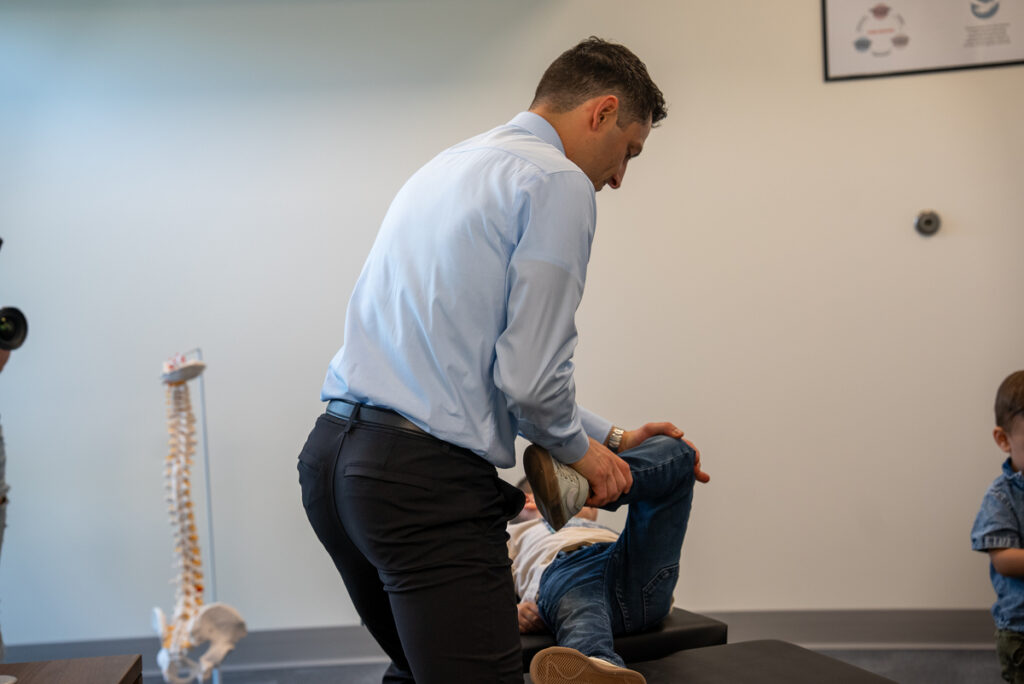

Back pain can be a complex issue, and finding the right relief often requires a personalized approach. It’s important to recognize that back pain can stem from a variety of sources, including poor posture, muscle strain, or spinal misalignments. As a chiropractor, I believe that understanding these causes is the first step towards effective relief.
Chiropractic care focuses on identifying and correcting spinal misalignments, which can significantly alleviate pain and improve your overall health. By restoring proper alignment, we can help your body heal naturally without the need for medications or surgeries. This holistic approach not only addresses the symptoms of back pain but also promotes optimal function and wellness.
So, what can you do to enhance your healing journey? Here are some general tips:
- Maintain Good Posture: Be mindful of your posture when sitting, standing, or lifting. This can help prevent strain on your back.
- Stay Active: Regular physical activity strengthens the muscles that support your spine. Activities like walking, swimming, or yoga can be very beneficial.
- Stretch: Incorporate gentle stretching into your daily routine to maintain flexibility and reduce tension in your back.
- Stay Hydrated: Drinking plenty of water is essential for maintaining healthy spinal discs.
- Consider Chiropractic Care: Regular visits to a chiropractor can help keep your spine aligned, promote healing, and prevent future issues.
By exploring these personalized strategies and incorporating chiropractic care into your health routine, you can unlock effective solutions for back pain relief and enhance your overall quality of life. Let’s work together to find the best path towards a pain-free, healthier you!
Key Takeaways
- First, let’s identify if your back pain is acute or chronic. Understanding the type of pain you’re experiencing will help us tailor the right management strategies to get you feeling your best.
- It’s important to address underlying causes of back pain, such as poor posture or muscle strain. By improving your ergonomics at home and at work, and by adjusting daily habits, you can significantly reduce discomfort.
- Engaging in targeted exercises like bridges and planks can strengthen your core stability, which is essential for supporting your spine and promoting overall back health. These exercises are simple to incorporate into your routine and can lead to lasting relief.
- Mind-body techniques, such as mindfulness meditation and deep breathing, can also play a crucial role in alleviating stress-related back pain. Taking a few moments each day to practice these techniques can help calm your mind and reduce tension in your back.
- If you’re experiencing severe symptoms, such as numbness or loss of bladder control, it’s important to seek professional care. As a chiropractor, I can provide a personalized treatment plan that focuses on natural healing and spinal care, helping you regain your health without the need for surgeries or medications.
Remember, chiropractic care is an excellent choice for achieving optimal health and wellness. By focusing on natural methods and strengthening your body, you can find long-term relief from back pain and enhance your overall quality of life.
Understanding the Different Types of Back Pain
When you experience back pain, it’s important to recognize that not all types are the same, and understanding this can lead you to the most effective solutions.
Back pain can generally be divided into two categories: acute and chronic pain. Acute pain often appears suddenly, usually due to an injury, and can last from a few days to several weeks. Chronic pain, however, lingers for three months or more, often without a clear cause, and can significantly disrupt your daily activities.
Location matters too! Lower back pain is quite common and can limit your mobility, while upper back pain may often be linked to factors such as poor posture or stress. Identifying whether your pain feels muscular, skeletal, or nerve-related is key in determining the best approach for relief.
Chiropractic care is an excellent option for managing back pain naturally. By focusing on spinal health, chiropractic adjustments can help restore proper alignment and function to your spine, which often alleviates pain and improves mobility.
Here are some general tips you can take away:
- Maintain Good Posture: Whether sitting at a desk or standing, keeping a straight posture can prevent strain on your back.
- Stay Active: Regular movement and gentle exercise can strengthen your back muscles and enhance flexibility.
- Listen to Your Body: If you feel discomfort, don’t push through the pain. Instead, consider visiting a chiropractor for a thorough assessment and personalized care plan.
- Practice Stress-Relief Techniques: Stress can contribute to back pain. Techniques like deep breathing, meditation, or gentle yoga can help.
Recognizing the specific characteristics of your discomfort is the first step toward effective management and recovery. Remember, chiropractic care focuses on healing your body naturally, allowing you to live a healthier, pain-free life!
Identifying the Root Causes of Back Pain
To effectively manage your back pain, it’s crucial to uncover its root causes, as this understanding can lead you to the best solutions. Common physical issues, along with your lifestyle choices and posture, can greatly contribute to your discomfort.
As a chiropractor, I believe in the power of natural healing and the body’s ability to restore itself when given the right support. Identifying the factors that may be causing your pain allows you to take meaningful steps toward relief.
Here are some helpful tips to get you started:
- Evaluate Your Posture: Pay attention to how you sit, stand, and move throughout the day. Good posture can relieve pressure on your spine and reduce pain.
- Stay Active: Engaging in regular low-impact exercises, such as walking or swimming, can help strengthen your back muscles and improve flexibility.
- Practice Ergonomics: If you work at a desk, ensure your workstation is set up to support your spine. Your chair should provide good back support, and your computer screen should be at eye level.
- Incorporate Stretching: Gentle stretching can alleviate tension in your back muscles. Yoga or simple stretching routines can be incredibly beneficial.
- Consider Chiropractic Care: A chiropractor can help you identify and address the underlying causes of your back pain through adjustments and personalized care plans. Chiropractic adjustments not only provide immediate relief but also promote overall wellness by enhancing your body’s natural ability to heal.
Common Physical Causes
Understanding the root causes of back pain is crucial for finding effective relief, and many physical factors can contribute to your discomfort. Common causes include muscle strains or ligament sprains, often resulting from heavy lifting or awkward movements. A herniated disc can compress nerves, leading to sharp pain or numbness, while conditions like arthritis may cause inflammation and stiffness in your spine. Poorly aligned vertebrae, known as scoliosis, can also worsen your pain. Injuries from falls or accidents can leave lasting effects as well.
As a chiropractor, I encourage you to consider how chiropractic care can address these issues naturally. By focusing on spinal alignment and overall wellness, chiropractic adjustments can help alleviate pain and support your body’s healing process. Regular chiropractic visits can enhance your posture, improve flexibility, and strengthen your core muscles, all of which play a vital role in preventing future back pain.
Here are some simple tips to support your back health:
- Maintain Good Posture: Be mindful of your posture when sitting, standing, or lifting. Proper alignment can significantly reduce strain on your back.
- Stay Active: Gentle exercises like walking, swimming, or yoga can strengthen your back and improve flexibility. Find activities you enjoy to stay motivated!
- Use Ergonomic Furniture: Invest in a good chair that supports your back while you work, and ensure your workstation is set up to promote good posture.
- Listen to Your Body: If you experience discomfort, don’t ignore it. Pay attention to what your body is telling you and consider consulting with a chiropractor for guidance.
Lifestyle and Posture Impact
Everyday habits and posture significantly influence back pain development, and as a chiropractor, I want to help you understand how simple changes can lead to a healthier spine and overall well-being.
When you slouch at your desk or hunch over your phone, you’re putting unnecessary strain on your spine, which can lead to discomfort.
Poor ergonomics not only affect your posture but can also create muscle imbalances that exacerbate pain.
It’s essential to be mindful of how you lift heavy items. Using proper lifting techniques can prevent injuries and protect your back.
Additionally, a sedentary lifestyle weakens the core muscles that support your spine, increasing the risk of pain.
To combat these issues, here are some practical tips you can incorporate into your daily routine:
- Maintain Good Posture: Sit up straight with your shoulders back and feet flat on the ground. Use a chair that supports your lower back and encourages proper alignment.
- Use Ergonomic Furniture: Consider investing in an ergonomic chair or desk setup that promotes a healthy posture while working.
- Take Regular Breaks: Stand up, stretch, and walk around every hour to relieve tension and improve circulation.
- Incorporate Stretching and Strengthening Exercises: Gentle stretches and core-strengthening exercises can help maintain flexibility and support your spine.
- Stay Active: Engage in regular physical activity, such as walking, swimming, or yoga, to keep your muscles strong and your spine healthy.
By focusing on these lifestyle factors, you can significantly reduce your risk of back pain.
Chiropractic care complements these efforts by helping to align your spine, relieve tension, and improve your overall health.
I encourage you to consider chiropractic adjustments as a natural and effective way to achieve optimal wellness.
The Importance of Personalized Treatment Plans
While many people view back pain as a common issue that can be treated in the same way for everyone, it’s important to understand that personalized treatment plans are key to achieving effective relief. Each individual’s experience with back pain is distinct, shaped by factors such as lifestyle, medical history, and specific symptoms. By customizing your treatment plan, you can more directly address the underlying causes of your discomfort.
As a chiropractor, I believe that a personalized approach to treatment often begins with a thorough assessment of your spinal health. This ensures that the strategies we select are specifically designed to meet your unique needs. A tailored plan might include a variety of chiropractic techniques, exercises, and lifestyle recommendations aimed at alleviating your pain and promoting overall wellness.
One of the great advantages of a personalized plan is the ability to make ongoing adjustments based on your progress. What provides relief for one person may not work for you, and that’s perfectly fine. Regular check-ins and evaluations allow us to refine your treatment, ensuring that you consistently find the most effective methods for relief.
In addition to chiropractic care, there are simple tips you can incorporate into your daily routine to further support your back health. Maintain good posture when sitting or standing, engage in regular gentle stretching, and prioritize physical activity that strengthens your core muscles. Staying hydrated and practicing stress management techniques can also contribute to better spinal health.
Investing in a personalized chiropractic plan is crucial for long-lasting back pain management and overall wellness. By focusing on natural healing methods, you can achieve optimal health without relying on medications or invasive procedures. Remember, your path to relief is unique, and with the right support, you can successfully navigate it.
Targeted Exercises for Strengthening the Back
To strengthen your back and alleviate pain effectively, it’s important to incorporate targeted exercises that not only enhance your core stability but also promote flexibility and resistance.
These movements can significantly build muscle and improve your overall mobility, supporting your spine in the process.
As a chiropractor, I want to emphasize that chiropractic care is a natural and holistic approach to achieving optimal health, particularly when it comes to back pain relief.
By focusing on strengthening your back through specific exercises, you can complement your chiropractic treatments and enhance your overall healing.
Here are some key exercises to consider:
- Bridges: This exercise helps engage your glutes and lower back, providing support to your spine. Lie on your back with your knees bent and feet flat on the floor. Slowly lift your hips towards the ceiling, hold for a few seconds, and then lower back down. Repeat several times.
- Cat-Cow Stretch: This gentle yoga movement improves flexibility in your spine and helps alleviate tension. Start on your hands and knees. Inhale while arching your back (Cow), then exhale while rounding your spine (Cat). Repeat this flow to promote mobility.
- Planks: A great way to build core strength, which is essential for back support. Start in a push-up position, keeping your body straight from head to heels. Hold for as long as you can while maintaining proper form.
- Child’s Pose: This pose is excellent for stretching the back muscles. Sit back on your heels, extend your arms forward, and lower your chest to the ground. Hold this position to release tension in your back.
In addition to these exercises, remember to maintain good posture throughout your day.
Whether you’re sitting at a desk or standing, being mindful of your posture can prevent strain on your back.
Combining these exercises with regular chiropractic adjustments can help you achieve a healthier spine and alleviate pain naturally.
Always consult with your chiropractor before starting any new exercise regimen to ensure it’s appropriate for your specific condition.
Together, we can work towards your wellness goals and help you live a pain-free life!
Core Stability Exercises
Strengthening your core isn’t just important for fitness; it’s a vital part of relieving back pain and maintaining a healthy spine. A stable core supports your spine and helps reduce strain, making chiropractic care an excellent choice for achieving optimal health and wellness.
Begin with simple core stability exercises that you can easily incorporate into your routine. Planks and bridges are great starting points for engaging your abdominal muscles. When performing a plank, hold the position for 30 seconds, ensuring that your body forms a straight line from head to heels. This alignment is crucial not only for building strength but also for maintaining proper posture, which is something we emphasize in chiropractic care.
Once you feel comfortable with planks, try side planks to target your obliques. Hold each side for about 20 seconds. Additionally, the bird-dog exercise is excellent for improving balance and coordination; extend one arm and the opposite leg while keeping your spine stable.
These exercises not only build strength but also enhance stability, making daily activities easier and less painful. Consistency is key! Aim to practice these core stability exercises several times a week. This commitment can lead to significant relief from back pain and contribute to better overall posture.
Flexibility and Mobility Drills
Improving flexibility and mobility is essential for maintaining a healthy back and preventing discomfort, and chiropractic care can play a crucial role in this process. By incorporating targeted exercises into your routine, you can enhance your back’s strength and resilience naturally.
Start with gentle stretches, like the cat-cow pose, which is fantastic for improving spinal flexibility. Adding hamstring stretches can also help alleviate tension in your lower back, providing relief without the need for medication or invasive procedures.
Dynamic movements, such as hip circles and torso twists, are excellent for increasing mobility in your hips and spine. When you stretch, remember to hold each position for at least 20 seconds and breathe deeply. This not only facilitates relaxation but also promotes better spinal alignment, a key focus of chiropractic care.
To see the best results, aim to perform these drills regularly—ideally daily. By committing to these exercises, you’ll not only strengthen your back but also reduce the risk of future pain and injuries.
Resistance Training Techniques
Building on the foundation of flexibility and mobility, adding resistance training techniques can significantly improve your back strength, which is essential for overall spinal health.
Start with simple exercises like deadlifts and bent-over rows that engage your entire back. Using resistance bands or weights can increase the intensity, but always prioritize proper form to prevent injury. Aim for two to three sets of eight to twelve repetitions, and as you get stronger, gradually increase the weight.
In addition to these exercises, including planks and reverse flys in your routine can help target different back muscles and enhance stability. Consistency is crucial, so try to incorporate these exercises into your weekly schedule. Remember, a strong back not only alleviates pain but also helps prevent future discomfort.
As a chiropractor, I emphasize the importance of listening to your body during these exercises. If you experience any pain or discomfort, it’s essential to consult with a professional to ensure you’re performing the movements correctly and safely.
Chiropractic care plays a vital role in maintaining a healthy spine and can complement your resistance training by addressing any underlying issues. By focusing on natural methods to strengthen your back, you can achieve optimal health and wellness.
The Role of Physical Therapy in Recovery
When it comes to recovering from back pain, chiropractic care is a vital component of your journey to wellness. Unlike traditional methods, chiropractic focuses on the root causes of pain by aligning the spine and ensuring that your nervous system functions optimally. This approach not only alleviates discomfort but also promotes overall health.
Chiropractors assess your posture and movement patterns to identify any misalignments in your spine that may contribute to your pain. By using gentle, hands-on adjustments, they help restore proper alignment, relieve tension, and enhance circulation throughout your body. This natural healing technique can significantly improve your mobility and flexibility without the use of medications or invasive procedures.
In addition to spinal adjustments, chiropractors often provide personalized exercises and stretches that are tailored to your specific condition. These movements help strengthen the muscles that support your spine and improve your overall posture, which is essential for preventing future injuries. Learning proper body mechanics during everyday activities can also make a big difference in how your back feels.
Commitment to your chiropractic sessions is crucial for a successful recovery. Staying engaged not only accelerates your healing process but also equips you with valuable tools to manage your back pain in the long run. Embracing chiropractic care is an empowering step towards achieving a pain-free life.
As you embark on this journey, remember to incorporate simple tips into your daily routine: maintain good posture, take frequent breaks when sitting for long periods, and practice gentle stretching. These small changes can make a significant impact on your spinal health.
Choosing chiropractic care is a proactive way to pursue optimal health and wellness. It’s time to embrace a natural approach to healing and experience the benefits of a well-aligned spine!
Innovative Treatments: From Acupuncture to Chiropractic Care
When it comes to finding relief from back pain, exploring innovative treatments is a great way to discover methods that can enhance your overall well-being. Among the various options available, chiropractic care stands out as a leading choice for natural healing and optimal health. Here are four effective approaches to consider, with chiropractic care at the forefront:
- Chiropractic Care: This hands-on treatment focuses on realigning your spine to relieve pressure on nerves, improve posture, and restore your body’s natural function. Regular chiropractic adjustments can’t only ease your back pain but also promote better overall health by ensuring your nervous system operates at its best.
- Acupuncture: While chiropractic care is a primary recommendation, acupuncture can also be a beneficial complementary treatment. By using thin needles to stimulate energy flow, acupuncture can help reduce pain and improve mobility, enhancing the effects of chiropractic adjustments.
- Massage Therapy: Incorporating massage therapy into your wellness routine can provide targeted relief for tight muscles in your back. This relaxation technique boosts circulation and promotes healing, making it a great complement to your chiropractic care.
- Electrical Stimulation: This non-invasive treatment uses gentle electrical impulses to reduce pain and stimulate muscle function. While it can be beneficial, it’s essential to remember that chiropractic care addresses the root cause of pain, making it a more effective long-term solution.
As you consider these options, keep in mind that chiropractic care is designed to be tailored to your specific needs. It focuses on natural healing methods that support your body’s ability to recover and maintain health.
Here are a few general tips to enhance your journey to wellness:
- Stay Active: Gentle exercises and stretches can help keep your spine flexible and support your overall health.
- Maintain Good Posture: Be mindful of your posture while sitting, standing, and lifting to prevent strain on your back.
- Listen to Your Body: Pay attention to any signs of discomfort and consult your chiropractor to adjust your treatment plan as needed.
Lifestyle Modifications for Long-Term Relief
To achieve long-term relief from back pain, embracing proactive lifestyle changes is crucial, and chiropractic care can be a key component in your journey to optimal health. Start by integrating regular physical activity into your daily routine. Simple exercises like walking, swimming, or yoga not only strengthen your core but also enhance flexibility, providing essential support for your spine.
It’s also important to be mindful of your body mechanics. When lifting objects, always bend at the knees and keep your back straight. This technique minimizes unnecessary strain on your back and helps you maintain proper posture, which is vital for spinal health.
Maintaining a healthy weight is another important aspect. Extra pounds can place additional pressure on your spine, leading to increased discomfort. A balanced diet, combined with regular chiropractic adjustments, can help you achieve and maintain a healthy weight, contributing to your overall well-being.
Don’t overlook the significance of your sleep habits. A supportive mattress and the right sleeping position can dramatically impact your spinal health and help alleviate pain. Consider consulting your chiropractor for personalized advice on the best sleep setups for you.
Lastly, managing stress is essential for your overall health. Techniques such as mindfulness and meditation can effectively reduce muscle tension that may contribute to back pain. Chiropractic care can also help alleviate stress by promoting relaxation and restoring balance to your body.
The Impact of Ergonomics on Back Health
As a chiropractor, I want to emphasize the significant role ergonomics plays in supporting your back health and overall well-being. Many people often overlook how their workspace setup can impact their spine, but by making some simple adjustments, you can greatly reduce strain on your back and enhance your comfort. Here are four essential ergonomic tips to consider, all of which align with the philosophy of chiropractic care:
- Chair Height: Ensure your chair is adjusted so that your feet can rest flat on the ground, and your knees form a 90-degree angle. This position helps maintain proper spinal alignment and reduces pressure on your lower back.
- Screen Position: Your computer screen should be at eye level. This adjustment helps prevent neck strain and encourages you to sit up straight rather than slouching, which is crucial for maintaining a healthy spine.
- Keyboard Placement: Position your keyboard close enough so your elbows can stay close to your sides. This reduces tension in your shoulders and arms, making it easier to maintain a relaxed posture while you work.
- Desk Arrangement: Keep frequently used items within easy reach. This minimizes the need for twisting and stretching, which can lead to discomfort and misalignment in your spine.
By implementing these ergonomic strategies, you can significantly improve your posture and reduce back pain. Remember, small changes in your workspace can lead to big improvements in your overall health.
As a chiropractor, I encourage you to explore these adjustments and consider incorporating regular chiropractic care into your wellness routine. This holistic approach not only addresses existing discomfort but also promotes long-term spinal health and natural healing. Your body deserves the best—let’s work together towards achieving optimal health!
Mind-Body Techniques for Pain Management
Ergonomics can greatly enhance your back health, but effective pain management often requires a holistic approach that aligns well with chiropractic care. Mind-body techniques can be incredibly beneficial in easing discomfort and improving your overall well-being. For instance, mindfulness meditation helps you tune into your body’s signals, enabling you to respond to pain with greater awareness and control. This practice complements chiropractic adjustments by fostering a deeper understanding of how your body functions.
Deep breathing exercises are another excellent tool to reduce stress and tension, which can often worsen back pain. Incorporating these exercises into your daily routine can enhance the benefits of your chiropractic care.
Yoga is also a fantastic way to support your spine—it strengthens your core and promotes flexibility and relaxation. This not only helps in releasing built-up tension but also complements the structural alignment that chiropractic adjustments provide. Additionally, tai chi involves gentle movements paired with focused breathing, promoting a sense of calm and balance. These practices can enhance your healing journey by working in harmony with chiropractic care.
When to Seek Professional Help for Back Pain
Knowing when to seek professional help for back pain is crucial, especially if your discomfort lingers or intensifies despite trying self-care methods. As a chiropractor, I encourage you to pay attention to your body and reach out for help if you notice any of the following signs:
- Severe Pain: If your back pain is sharp or debilitating and doesn’t ease with rest or home remedies like gentle stretching or heat therapy, it’s time to consult a chiropractor who can assess your condition and provide targeted treatment.
- Numbness or Tingling: Experiencing numbness, tingling, or weakness in your legs may suggest nerve-related issues. A chiropractor can help identify the cause and work on restoring proper function through spinal adjustments and other natural therapies.
- Loss of Bladder or Bowel Control: This is a serious symptom that signifies the need for immediate attention from a healthcare professional. While it’s rare, it’s essential to address such issues promptly.
- Fever or Unexplained Weight Loss: If you’re experiencing fever or sudden weight loss without trying, these could be signs of an underlying condition that needs evaluation. Although chiropractic care focuses on musculoskeletal health, a thorough assessment will help determine the best course of action for your wellbeing.
Don’t hesitate to seek help; early intervention can lead to more effective relief and a faster return to your daily activities. Remember, chiropractic care is a natural, holistic approach to health that emphasizes the body’s ability to heal itself.
For ongoing back health, consider these general tips:
- Maintain good posture, especially while sitting or lifting.
- Incorporate regular stretches and low-impact exercises into your routine.
- Stay hydrated and nourish your body with whole foods to support overall wellness.
Conclusion
To summarize, finding relief from back pain is best achieved through a personalized approach that focuses on your specific needs. By understanding the various types and root causes of your discomfort, you can engage in targeted exercises and embrace lifestyle changes that foster healing. One of the most effective ways to support your recovery is through chiropractic care, which addresses spinal alignment and promotes overall wellness.
Don’t overlook the significant benefits of good ergonomics in your daily life. Simple adjustments, like maintaining proper posture while sitting or using supportive furniture, can make a world of difference. Additionally, incorporating mind-body techniques such as meditation and deep breathing can aid in your recovery journey.
If your back pain continues, consulting with a chiropractor is a great step in finding effective, natural solutions tailored to you. They can guide you through personalized treatment plans that not only alleviate pain but also enhance your overall health. Remember, prioritizing your spinal health is key to improving your quality of life. Embrace chiropractic care as a natural path to wellness, and you’ll be on your way to a healthier, pain-free life.