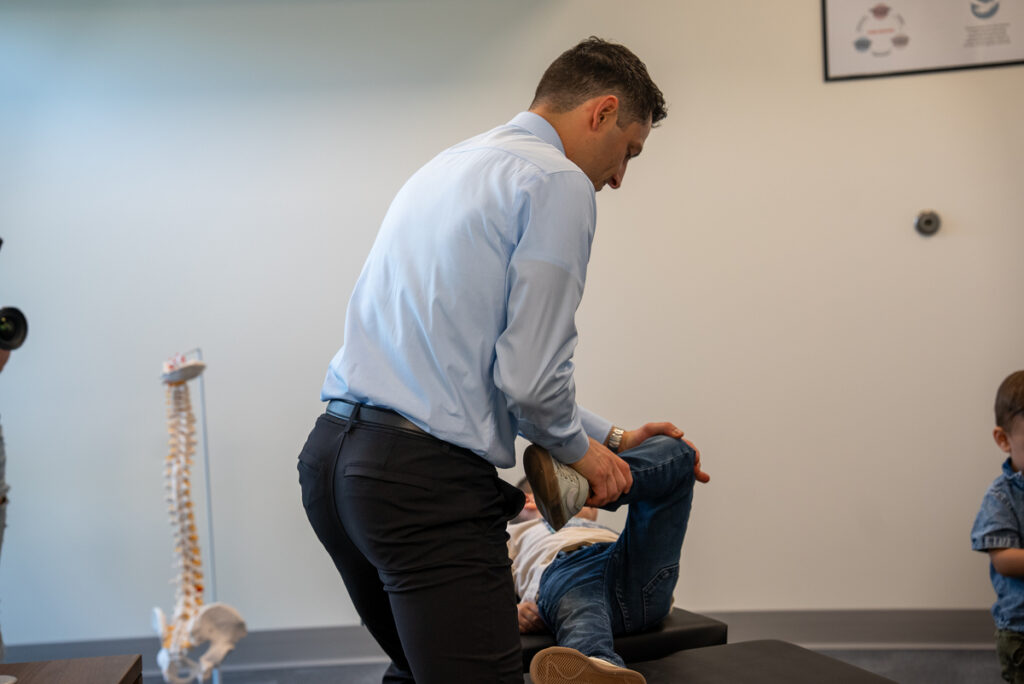

Have you ever thought about how your spine affects your mental well-being? Many people don’t realize the strong link between spinal health and anxiety. When your spine is misaligned, it can disrupt your nervous system, leading to increased feelings of stress and tension. This is where chiropractic care comes in. Simple spinal adjustments can help restore balance and calmness to your mind.
Chiropractic adjustments work by realigning your spine, which helps your nervous system function better. When your nervous system is functioning optimally, you may find it easier to manage anxiety and stress. Regular visits to your chiropractor can be a key part of your anxiety management plan, providing you with a natural and effective way to promote overall wellness.
In addition to spinal adjustments, here are some general tips to support your mental well-being:
- Stay Active: Regular physical activity can help reduce anxiety and improve your mood. Aim for at least 30 minutes of exercise most days of the week.
- Practice Relaxation Techniques: Incorporating practices like deep breathing, meditation, or yoga can help calm your mind and reduce stress.
- Maintain a Healthy Diet: Eating a balanced diet rich in whole foods can positively influence your mood and energy levels.
- Get Enough Sleep: Prioritize quality sleep to help your body and mind recover, which can significantly impact your anxiety levels.
- Stay Hydrated: Drinking enough water is crucial for overall health and can help keep your energy and focus steady.
Remember, chiropractic care is a natural and effective approach to achieving optimal health. By focusing on your spine and overall wellness, you can take proactive steps toward reducing anxiety and enhancing your mental well-being. Don’t hesitate to reach out to your chiropractor for personalized advice and care tailored to your needs.
Key Takeaways
Reducing Anxiety Through Spinal Adjustments
When it comes to managing stress and anxiety, spinal adjustments can play a crucial role. By improving communication between your nerves, chiropractic care enhances your body’s natural ability to handle stress, leading to lower anxiety levels.
Maintaining proper spinal alignment is essential for effectively regulating your body’s stress response. When your spine is aligned, it can help ease the physical symptoms of anxiety, which often manifest as muscle tension or discomfort. Many patients experience a noticeable reduction in anxiety after chiropractic treatments, thanks to the relief from tension and improved movement.
Incorporating regular spinal maintenance through chiropractic care not only supports your overall wellness but also builds emotional resilience against anxiety. Making chiropractic visits a part of your routine can help you stay grounded and focused in your daily life.
After your spinal adjustment, it’s beneficial to engage in gentle movements like stretching or walking, and don’t forget to drink plenty of water! Staying hydrated and moving can help maximize the benefits of your treatment and aid in your recovery.
Remember, chiropractic care is a natural and effective way to achieve optimal health and well-being. By prioritizing your spine, you’re taking a significant step towards a healthier, more balanced life.
Understanding Anxiety: Causes and Symptoms
Anxiety can often feel overwhelming, especially when you don’t fully understand where it comes from. It’s essential to recognize that anxiety can stem from various sources, including stressful life events, genetic factors, and environmental influences. When anxiety strikes, you might notice your thoughts spiraling, which can lead to physical symptoms like a racing heart or difficulty breathing.
Common symptoms of anxiety include excessive worry, restlessness, and trouble concentrating. You may also experience irritability and sleep disturbances. Recognizing these symptoms is crucial in understanding how anxiety affects your life.
As a chiropractor, I want to emphasize the importance of natural healing methods in managing anxiety. Chiropractic care focuses on aligning your spine and improving nervous system function, which can help your body better cope with stress and anxiety. When your spine is aligned, it promotes better overall health and may ease some of the physical symptoms of anxiety.
Here are some general tips to help you manage anxiety naturally:
- Stay Active: Regular physical activity can help reduce anxiety. Even simple exercises, like walking or stretching, can have a positive impact on your mood.
- Practice Deep Breathing: Deep breathing exercises can help calm your mind and reduce feelings of anxiety. Take a few moments each day to focus on your breath.
- Get Enough Sleep: Prioritize your sleep routine. Aim for 7-9 hours of quality sleep each night to help your body recover and manage stress.
- Stay Hydrated and Eat Well: A balanced diet and staying hydrated can significantly influence your mood and energy levels.
- Consider Chiropractic Care: Regular chiropractic adjustments can help relieve tension in the body, improve your overall well-being, and support your body’s natural ability to handle stress.
The Role of the Spine in Overall Health
Your spine is crucial for your overall health, as it serves as the main pathway for your nervous system.
When your posture is misaligned, it can’t only lead to physical discomfort but also affect your mental well-being and increase stress levels.
By understanding the significant connection between your spine and mental health, you can take proactive steps to manage anxiety more effectively.
Chiropractic care is an excellent choice for maintaining a healthy spine and promoting natural wellness.
Regular adjustments can help correct postural issues, alleviate pain, and support your body’s natural healing processes.
Here are some simple tips to improve your spinal health and overall well-being:
- Maintain Good Posture: Be mindful of your posture, especially when sitting at a desk or using your phone. Keep your back straight and shoulders relaxed to help reduce strain on your spine.
- Stay Active: Regular physical activity strengthens the muscles that support your spine. Consider low-impact exercises like walking, swimming, or yoga, which can enhance flexibility and reduce stiffness.
- Practice Stress-Relief Techniques: Incorporate relaxation methods such as deep breathing, meditation, or gentle stretching into your daily routine. These practices can alleviate tension and promote a more relaxed posture.
- Stay Hydrated: Drinking plenty of water supports the health of your spinal discs, which rely on hydration to maintain their cushioning properties.
- Schedule Regular Chiropractic Visits: Regular adjustments from a chiropractor can help keep your spine aligned, reduce discomfort, and promote overall wellness. This natural approach is a powerful way to support your body’s ability to heal and function at its best.
By focusing on these simple strategies and prioritizing chiropractic care, you can foster a healthier spine and enhance your overall health and well-being.
Spine-Nervous System Connection
Many people see the spine mainly as a structure that supports the body, but its role goes far beyond that. The spine is essential for the proper functioning of the nervous system, as it houses and protects the spinal cord. This cord is like a communication highway, sending signals back and forth between your brain and the rest of your body. When the spine is misaligned, it can interrupt these signals, potentially leading to a range of health issues, including anxiety.
Maintaining proper spinal alignment is key to ensuring that your nervous system works smoothly. When your spine is in alignment, your body can better respond to stressors, which helps you feel more relaxed and at ease. Regular chiropractic adjustments can play a vital role in keeping your spine healthy, supporting optimal nerve function, and reducing tension in your body.
Here are some simple tips to help you maintain a healthy spine and support your overall well-being:
- Stay Active: Engage in regular physical activity to strengthen your back and core muscles. This helps keep your spine in alignment and reduces the risk of injury.
- Mind Your Posture: Be conscious of how you sit, stand, and move throughout the day. Good posture helps maintain spinal alignment and reduces strain on your back.
- Stretch Regularly: Incorporate stretching into your daily routine to improve flexibility and relieve tension in your muscles.
- Stay Hydrated: Drinking enough water is essential for spinal health, as it helps keep the discs in your spine hydrated and functioning well.
- Schedule Regular Chiropractic Visits: Regular check-ups with your chiropractor can help ensure your spine stays aligned, which supports your nervous system and overall health.
Posture and Mental Health
Good posture isn’t just about looking confident; it can significantly affect your mental health as well. When you stand or sit upright, you send positive signals to your brain, which can enhance your mood and reduce feelings of anxiety. On the flip side, slouching can lead to decreased self-esteem and increased stress. As a chiropractor, I want to emphasize that maintaining proper posture is essential for both your physical and mental well-being, and chiropractic care can play a vital role in achieving that balance.
Here’s a quick overview of different posture types and how they can affect your mental health, along with some tips on how chiropractic care can help:
| Posture Type | Mental Health Impact | Tips for Improvement |
|---|---|---|
| Upright | Boosts confidence | Regular chiropractic adjustments can help keep your spine aligned, making it easier to maintain an upright posture. Incorporate daily stretches to enhance flexibility. |
| Slouched | Increases anxiety | Chiropractic care can address the underlying issues that contribute to slouching. Consider using ergonomic chairs and seek adjustments to relieve tension. |
| Asymmetrical | Creates discomfort | Regular check-ups with a chiropractor can help identify and correct imbalances. Focus on even weight distribution when sitting or standing. |
| Forward head | Leads to tension | Chiropractic adjustments can help realign your neck and spine. Additionally, adjust your computer screens to eye level to promote better posture. |
| Relaxed | Promotes calmness | Incorporating breathing exercises and regular chiropractic care can help maintain a calm and relaxed state by reducing muscle tension. |
Stress Response Regulation
When stress takes over your body, it can lead to a series of physical responses that affect your overall well-being, and your spine plays a key role in managing this.
Your spine protects your central nervous system, which is responsible for how your body responds to stress. If your spine is misaligned, it can interfere with nerve function, resulting in increased anxiety and stress levels.
By focusing on spinal health through gentle adjustments, you can improve nerve communication, enabling your body to handle stress more effectively. This can help reduce tension, promote relaxation, and boost your emotional resilience.
Here are some simple tips to keep your spine healthy and support your stress management:
- Regular Chiropractic Visits: Make it a habit to see your chiropractor regularly. They can help keep your spine aligned, which supports your nervous system and helps you deal with stress better.
- Practice Good Posture: Be mindful of your posture throughout the day. Whether sitting at a desk or standing, maintaining proper alignment can prevent unnecessary stress on your spine.
- Stay Active: Engage in regular physical activity, such as walking, yoga, or stretching. Movement helps keep your spine flexible and supports overall well-being.
- Mindfulness and Relaxation Techniques: Incorporate practices like deep breathing, meditation, or gentle yoga into your routine. These can help calm your mind and reduce stress levels.
- Healthy Lifestyle Choices: Focus on a balanced diet, adequate hydration, and quality sleep. These factors all contribute to a healthier spine and a more resilient body.
How Spinal Adjustments Work
Spinal adjustments are a powerful way to realign the vertebrae in your spine, helping to relieve nerve pressure and enhance your overall well-being.
When vertebrae become misaligned, it can lead to tension and disrupt the important communication between your brain and body. By restoring proper alignment, spinal adjustments support your nervous system in functioning at its best.
During a typical adjustment, I apply gentle, controlled force to specific points along your spine.
This technique is designed to correct misalignments, allowing your body to heal itself more efficiently.
As we ease the pressure on your nerves, many patients experience reduced muscle tension, improved mobility, and better blood circulation.
Incorporating regular adjustments into your wellness routine can also help your body handle stress more effectively.
By prioritizing your spinal health, you’re creating a foundation for both physical and mental wellness.
This holistic approach not only contributes to a greater sense of calm but also fosters a more balanced life overall.
Here are a few tips to consider for maintaining your spinal health between visits:
- Stay Active: Regular physical activity helps keep your spine strong and flexible. Aim for at least 30 minutes of movement each day, whether it’s walking, stretching, or engaging in a favorite sport.
- Mind Your Posture: Be mindful of your posture throughout the day, especially if you’re sitting for long periods. Practice sitting up straight, with your shoulders back and feet flat on the floor.
- Use Proper Lifting Techniques: When lifting heavy objects, bend at your knees and keep the weight close to your body to prevent straining your back.
- Stay Hydrated: Drinking plenty of water helps keep your spinal discs hydrated and healthy.
- Prioritize Sleep: Ensure you’re getting enough restorative sleep. A good mattress and pillow can support proper spinal alignment while you rest.
By embracing chiropractic care and these simple lifestyle tips, you’re taking significant steps towards achieving optimal health and wellness naturally.
The Connection Between Spinal Health and Mental Wellness
In the midst of our busy lives, we often forget how closely our spinal health is linked to our mental wellness. Your spine is more than just a support system for your body; it’s essential for your overall health. When your spine is aligned and functioning well, it helps keep your nervous system in check. This balance can improve communication between your brain and body, leading to lower stress and anxiety levels.
On the other hand, if your spine is misaligned, it can cause physical discomfort, which can take a toll on your mental state. Many people find that by addressing spinal issues through chiropractic care, they not only relieve pain but also boost their mood and enhance mental clarity. By prioritizing your spinal health, you’re making a powerful choice to build emotional resilience.
Here are some practical tips to help maintain your spinal health and, in turn, support your mental wellness:
- Regular Chiropractic Adjustments: Visiting your chiropractor regularly can help keep your spine aligned and functioning optimally. This proactive approach can prevent discomfort and promote overall well-being.
- Posture Awareness: Be mindful of your posture throughout the day, whether you’re sitting at a desk or standing. Proper posture can help reduce strain on your spine and minimize discomfort.
- Stay Active: Engage in regular physical activity that promotes spinal health, such as walking, swimming, or yoga. These activities can strengthen your back muscles and improve flexibility, which supports your spine.
- Stretch and Move: Incorporate stretching into your daily routine. Simple stretches can relieve tension in your back and neck, promoting better spinal alignment and reducing stress.
- Mindfulness and Relaxation: Practices such as meditation or deep breathing can help lower stress levels, which positively affects your spine and overall health.
- Healthy Lifestyle Choices: Eating a balanced diet, staying hydrated, and getting enough sleep can all contribute to better spinal health and mental clarity.
By focusing on your spinal health through chiropractic care and these helpful tips, you can pave the way for a healthier, more balanced life. This means you’ll be better equipped to tackle daily challenges with a clearer mind and a positive outlook.
Evidence Supporting Chiropractic Care for Anxiety
Exploring the connection between chiropractic care and anxiety reveals some exciting insights into how this natural approach can enhance your overall well-being. Many studies have shown that spinal adjustments can significantly lower anxiety levels by improving spinal alignment and supporting optimal nerve function. When your spine is aligned properly, it can help your body manage stress more effectively, leading to a more relaxed state of mind.
Patients frequently report feeling less anxious after receiving chiropractic treatments. In fact, one study highlighted that participants experienced noticeable reductions in anxiety symptoms following regular adjustments, demonstrating a clear link between chiropractic care and improved mental health. This is particularly encouraging for anyone seeking a natural way to cope with anxiety without resorting to medications or surgeries.
Chiropractic care also emphasizes a holistic approach to health, encouraging healthier lifestyle choices that can contribute to reducing anxiety. Simple tips to support your journey to wellness include practicing good posture, staying active through gentle exercises like walking or yoga, and ensuring you get enough rest. These practices, combined with regular chiropractic adjustments, can create a powerful strategy for achieving optimal health and serenity.
What to Expect During a Chiropractic Session
During your chiropractic session, we’ll begin with an initial consultation where I’ll take the time to understand your specific needs and health goals. This is an important step, as it allows me to tailor the chiropractic care to best serve you. I’ll explain the adjustment techniques we’ll use and how they can help alleviate discomfort and reduce anxiety.
After your adjustments, I’ll provide you with personalized recommendations to help maximize the benefits of your treatment and enhance your overall well-being. These may include simple exercises, stretches, and lifestyle tips aimed at supporting your spine and promoting a healthier lifestyle.
Initial Consultation Process
When you arrive for your initial chiropractic consultation, our goal is to create a welcoming and informative atmosphere. To kick things off, you’ll fill out a health history form. This form is essential as it helps us understand your medical background and any concerns you may have.
During your consultation, we’ll have an open discussion about:
- The specific symptoms you’re experiencing and any previous treatments you’ve tried
- Lifestyle factors, such as your daily activities and stressors, that may affect your health
- Your personal goals for chiropractic care and what you hope to achieve
- A simple overview of chiropractic adjustments and how they can benefit you
Next, we’ll conduct a thorough preliminary examination. This careful approach ensures that we create a personalized treatment plan tailored to your unique needs, allowing us to address your concerns effectively and help you feel more at ease.
Our aim is to empower you on your wellness journey, helping you take charge of your health naturally.
As you embark on this path, here are some general tips for healthier living:
- Stay Active: Regular physical activity can enhance your overall well-being. Consider incorporating activities like walking, stretching, or yoga into your routine.
- Mind Your Posture: Whether sitting at a desk or lifting objects, maintaining good posture can significantly reduce strain on your spine.
- Stay Hydrated: Drinking plenty of water is vital for overall health and can support your body’s natural healing processes.
- Prioritize Sleep: Quality sleep is essential for recovery and overall health. Aim for 7-9 hours per night to allow your body to rejuvenate.
- Manage Stress: Find relaxation techniques that work for you, such as deep breathing, meditation, or spending time in nature.
Adjustment Techniques Explained
Understanding what to expect during a chiropractic session can help alleviate any concerns you may have and set the stage for a positive experience.
When you arrive, your chiropractor will take the time to review your medical history and discuss any specific issues or discomfort you may be facing. This personalized approach ensures that your unique needs are addressed right from the start.
Next, you’ll undergo a thorough physical examination to evaluate your posture and spinal alignment. This assessment is crucial because it allows your chiropractor to identify any misalignments or areas of tension that may be contributing to your pain or discomfort.
Once your chiropractor has a clear picture of your needs, they’ll explain the adjustment techniques they plan to use. Common methods include manual adjustments, where controlled force is applied to specific joints to restore proper alignment, and instrument-assisted adjustments, which utilize specialized tools for precision.
You might hear some popping or cracking sounds during the adjustments, but rest assured, this is completely normal and part of the process of releasing tension and restoring mobility.
Throughout your session, your chiropractor will prioritize your comfort and encourage open communication. If you experience any discomfort or have questions about the techniques being used, don’t hesitate to express your concerns. This collaborative approach makes for a smoother and more effective experience.
As you embark on your journey toward better health and wellness through chiropractic care, remember that regular adjustments can play a significant role in pain relief, improved mobility, and overall well-being.
Additionally, incorporating healthy habits into your daily routine—such as staying active, maintaining good posture, and managing stress—can enhance the benefits of your chiropractic care. Embracing a holistic approach to health will empower you to live a more vibrant, pain-free life!
Post-Session Recommendations
After your chiropractic session, it’s normal to feel a variety of sensations as your body begins to align and heal. While many people feel relaxed and rejuvenated, some may also experience mild discomfort as your body adjusts to the treatment.
To make the most of your chiropractic care and support your journey to optimal health, consider these helpful tips:
- Stay Hydrated: Drinking plenty of water is essential. It helps to flush out toxins that may have been released during your adjustments, promoting faster recovery and overall wellness.
- Rest and Recover: Give your body the time it needs to heal. Taking it easy for the remainder of the day after your session can help your body adjust comfortably.
- Gentle Movement: Light activities such as stretching or walking can keep your muscles limber and support the healing process. Listen to your body and move at a pace that feels good for you.
- Follow Up on Care: It’s important to schedule any recommended follow-up visits. Regular chiropractic adjustments can help maintain your progress, enhance your overall health, and address any lingering discomfort.
By incorporating these simple steps into your post-session routine, you can enhance your experience and fully benefit from the natural healing power of chiropractic care.
Incorporating Chiropractic Care Into Your Wellness Routine
Incorporating chiropractic care into your wellness routine can be a game-changer for reducing anxiety and enhancing your overall health. Regular chiropractic adjustments not only align your spine but also improve the function of your nervous system, allowing your body to better manage stress and discomfort.
Here are some simple ways to effectively integrate chiropractic care into your daily life:
| Approach | Benefits | Frequency |
|---|---|---|
| Regular Adjustments | Keeps your spine aligned, reducing pain and tension | Weekly or bi-weekly |
| Exercise Guidance | Helps you stay active and strong, which can alleviate pain | As advised by your chiropractor |
| Stress Management | Teaches you relaxation techniques that can reduce anxiety | As needed |
| Nutritional Advice | Supports your overall health and wellness through better food choices | Monthly consultations |
| Lifestyle Changes | Encourages healthy habits that contribute to long-term wellness | Ongoing |
By making chiropractic care a priority, you are taking a proactive step towards achieving optimal health. Remember, a well-aligned spine can lead to a happier, healthier life. Whether you’re dealing with chronic pain or just looking to enhance your well-being, chiropractic care offers a natural, effective solution without the need for surgeries or medications.
Here are a few general tips to keep in mind:
- Stay consistent with your chiropractic visits for the best results.
- Incorporate gentle stretches into your daily routine to support your spine.
- Listen to your body; if something feels off, don’t hesitate to reach out to your chiropractor.
- Focus on maintaining a balanced diet and staying hydrated to support your overall health.
Additional Strategies for Managing Anxiety
While chiropractic care is a powerful tool for reducing anxiety and promoting overall well-being, embracing a comprehensive approach to stress management can enhance your results.
By integrating various healthy habits into your routine, you can support your chiropractic adjustments and foster a greater sense of emotional balance. Here are some simple and effective strategies to consider:
- Mindfulness and Meditation: Taking a few moments each day to practice mindfulness can help anchor you in the present, allowing you to let go of anxious thoughts and find peace.
- Regular Exercise: Engaging in physical activity not only strengthens your body but also releases endorphins, the body’s natural mood lifters, which can significantly alleviate stress and anxiety.
- Healthy Diet: Nourishing your body with a variety of wholesome foods can play a crucial role in your mental clarity and emotional stability. Aim for balanced meals that include plenty of fruits, vegetables, and whole grains.
- Quality Sleep: Ensuring you get enough restful sleep is vital for your mood and can help lower anxiety levels. Establish a calming bedtime routine to help your body wind down.
By incorporating these strategies into your lifestyle alongside your chiropractic care, you can create a strong foundation for achieving optimal health and wellness.
Conclusion
Incorporating spinal adjustments into your wellness routine can truly transform how you manage anxiety. When your spine is aligned properly, it enhances communication within your nervous system, leading to reduced muscle tension and a greater sense of relaxation. Chiropractic care is a natural and effective way to promote overall well-being.
To maximize the benefits of chiropractic adjustments, consider pairing them with simple habits like improving your posture and practicing deep breathing exercises. These strategies work hand-in-hand to create a more balanced mind and body.
If you’re seeking a natural approach to feel calmer and more centered, regular chiropractic sessions should be a key part of your self-care plan. Not only will you experience relief from anxiety, but you’ll also support your body’s ability to heal itself. Remember, investing in your spinal health is investing in your overall health—your body and mind will thank you for it!